From Delayed Cleanings to Full-Mouth Rehab: How High Prices Turn Small Problems Into Big Ones
For millions of Americans, skipping a dental cleaning or delaying a crown feels like a reasonable way to save money. But what starts as a practical short-term decision can quietly become one of the most expensive mistakes in personal healthcare. The biology of dental problems is almost always progressive—small issues that are cheap and simple to fix today become complex, costly, and sometimes irreversible if left untreated long enough. Understanding this cycle is the first step toward breaking it.
The Expensive Trap of Waiting
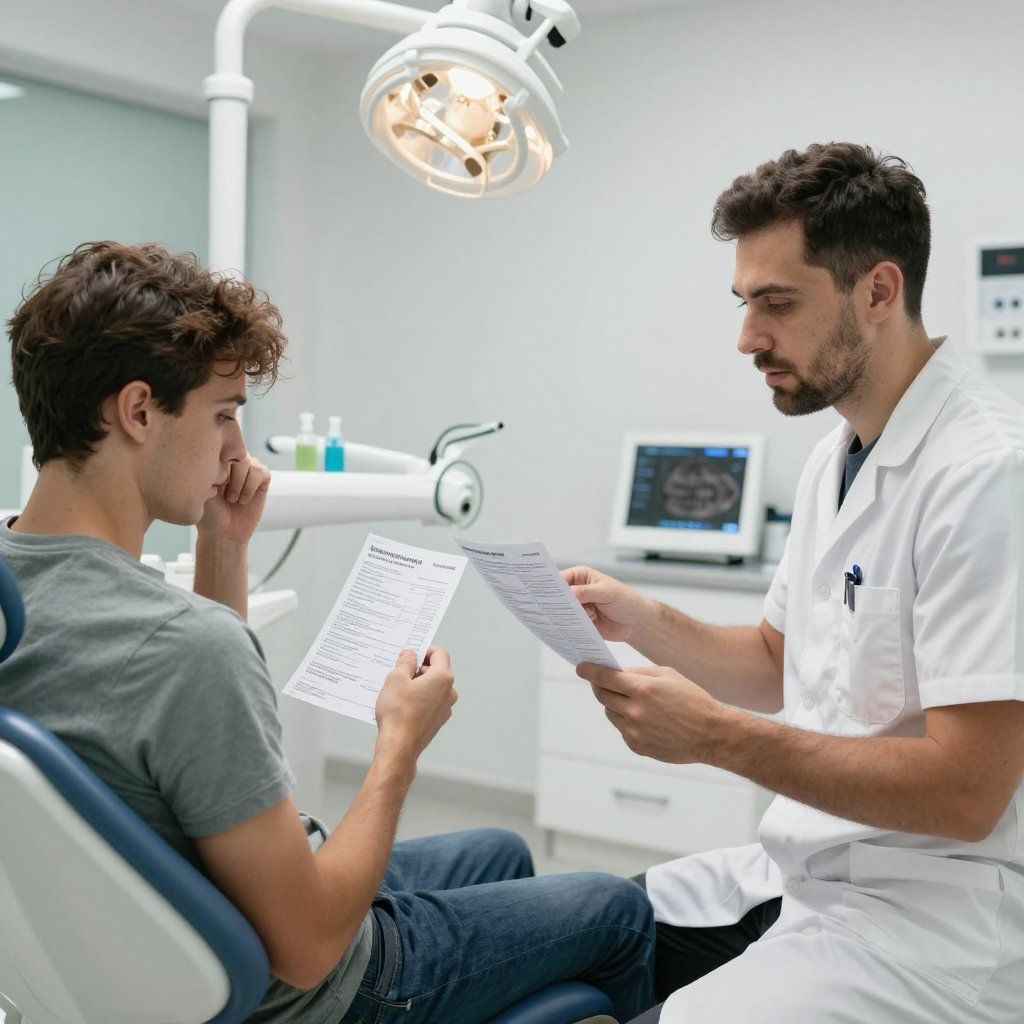
Dental disease rarely stays still. When care is postponed, problems accumulate: decay spreads, gums weaken, bites shift, and missing teeth trigger bone loss. The longer treatment is delayed, the more likely it becomes that you’ll need multiple procedures instead of one—and the costs rise accordingly.
How the Cycle Starts: Small Problems That Seem Manageable
Most full-mouth rehab cases don’t begin with a catastrophe. They start with:
- A small cavity that “doesn’t hurt yet.”
- A cleaning that gets pushed back six months, then a year, then longer.
- An old filling that looks “fine” on the surface.
- A loose or cracked tooth that doesn’t feel urgent.
- Bleeding gums that come and go but never get evaluated.
Each of these is manageable—and relatively inexpensive—when caught early. Without consistent professional care, they evolve and compound in ways that dramatically increase both clinical complexity and cost.
Stage 1: The Skipped Cleaning
A professional cleaning is one of the most cost-effective investments in dental health. When cleanings are skipped:
- Tartar (calculus) builds up in areas where brushing can’t reach, especially below the gumline.
- Bacteria in tartar release toxins that inflame and eventually destroy gum tissue and supporting bone.
- Early-stage gingivitis, which is reversible, progresses toward periodontitis—an infection that damages the bone and ligaments that hold teeth in place.
A cleaning that costs a few hundred dollars becomes scaling and root planing (deep cleaning), periodontal therapy, or surgical gum treatment—procedures that cost significantly more and require multiple visits.
Stage 2: The Untreated Cavity
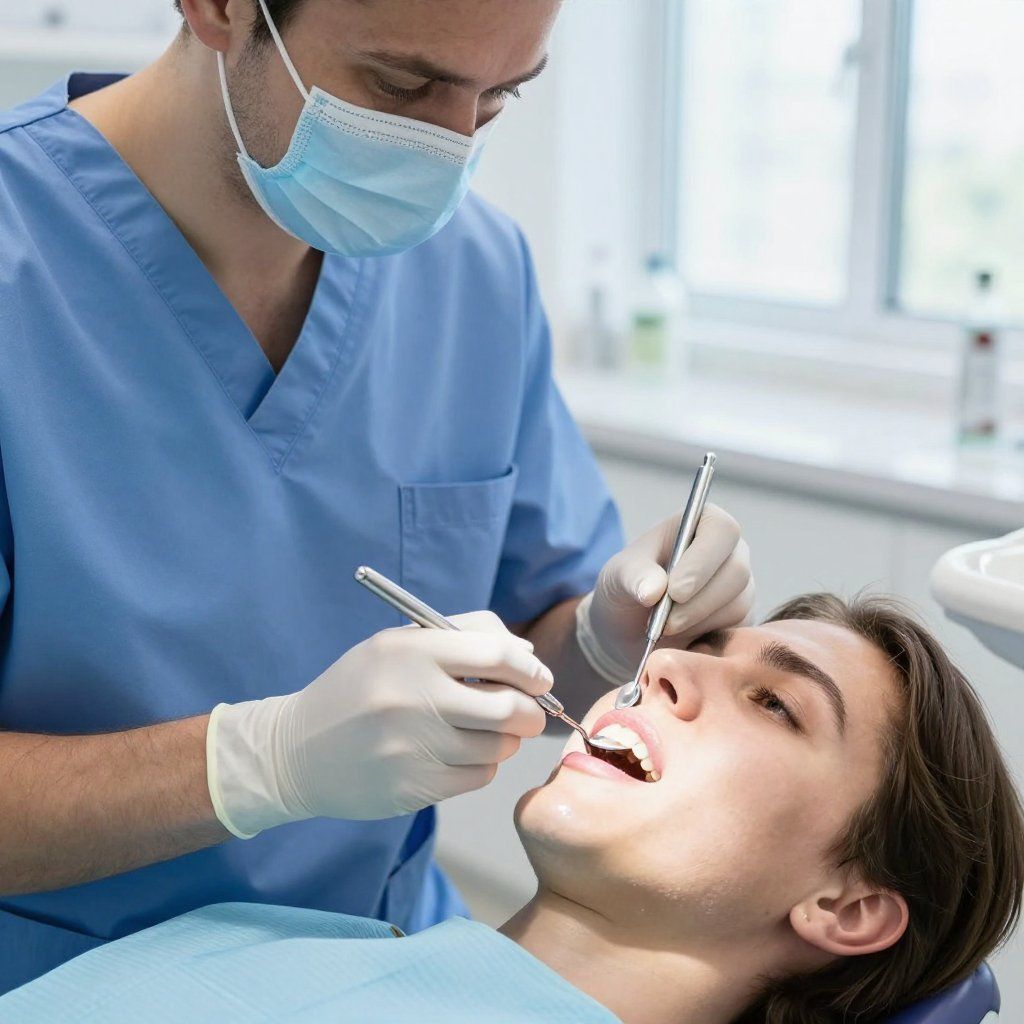
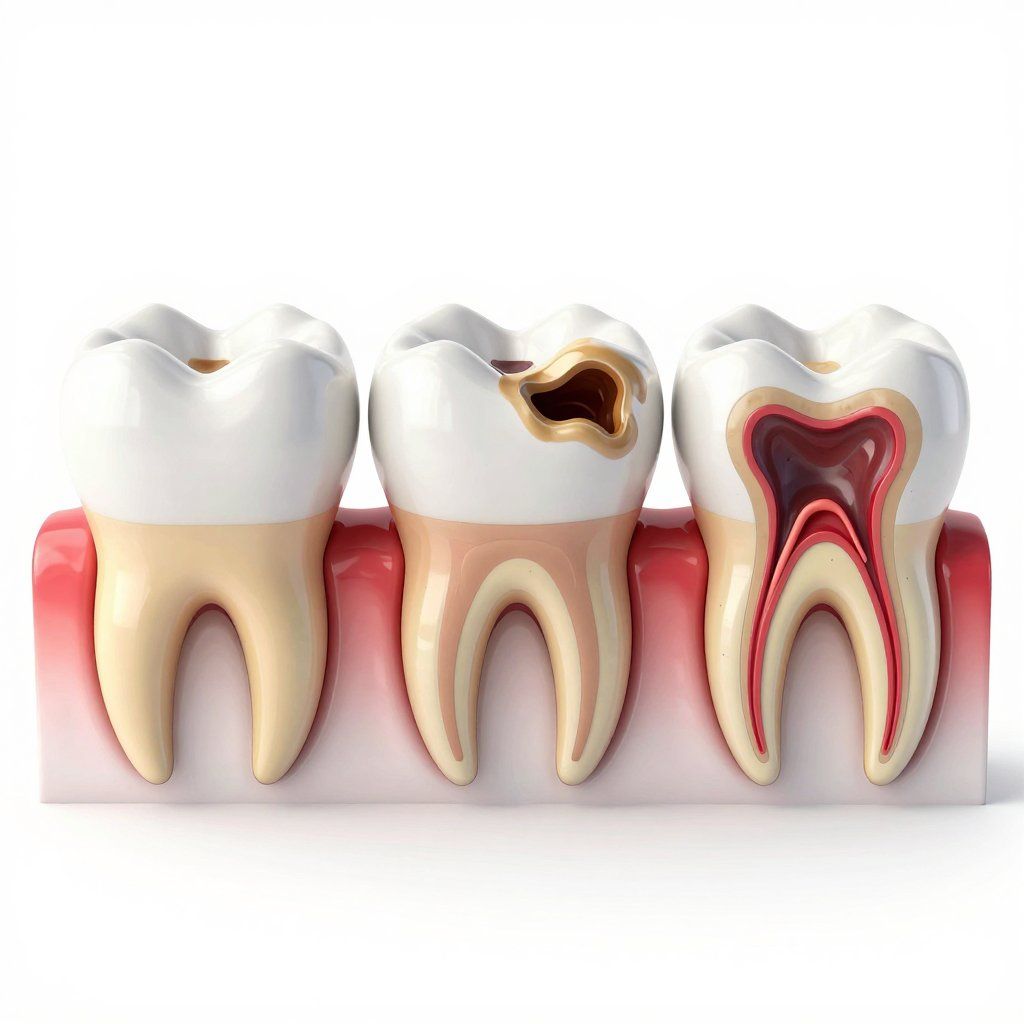
A small cavity caught at a routine checkup is typically filled quickly and affordably. When that cavity goes untreated, decay spreads through the enamel into the softer dentin layer below. Once bacteria reach the pulp (the nerve and blood supply), infection sets in.
What was a filling becomes a root canal—a multi-step procedure costing several times more. After a root canal, the tooth typically needs a crown for protection, adding further cost and time. If the infection is left longer, the tooth may become unsalvageable and require extraction.
This progression—filling to root canal to crown to extraction—is one of the most common stories dentists hear when patients finally come in after years of avoidance.
Stage 3: The Lost Tooth
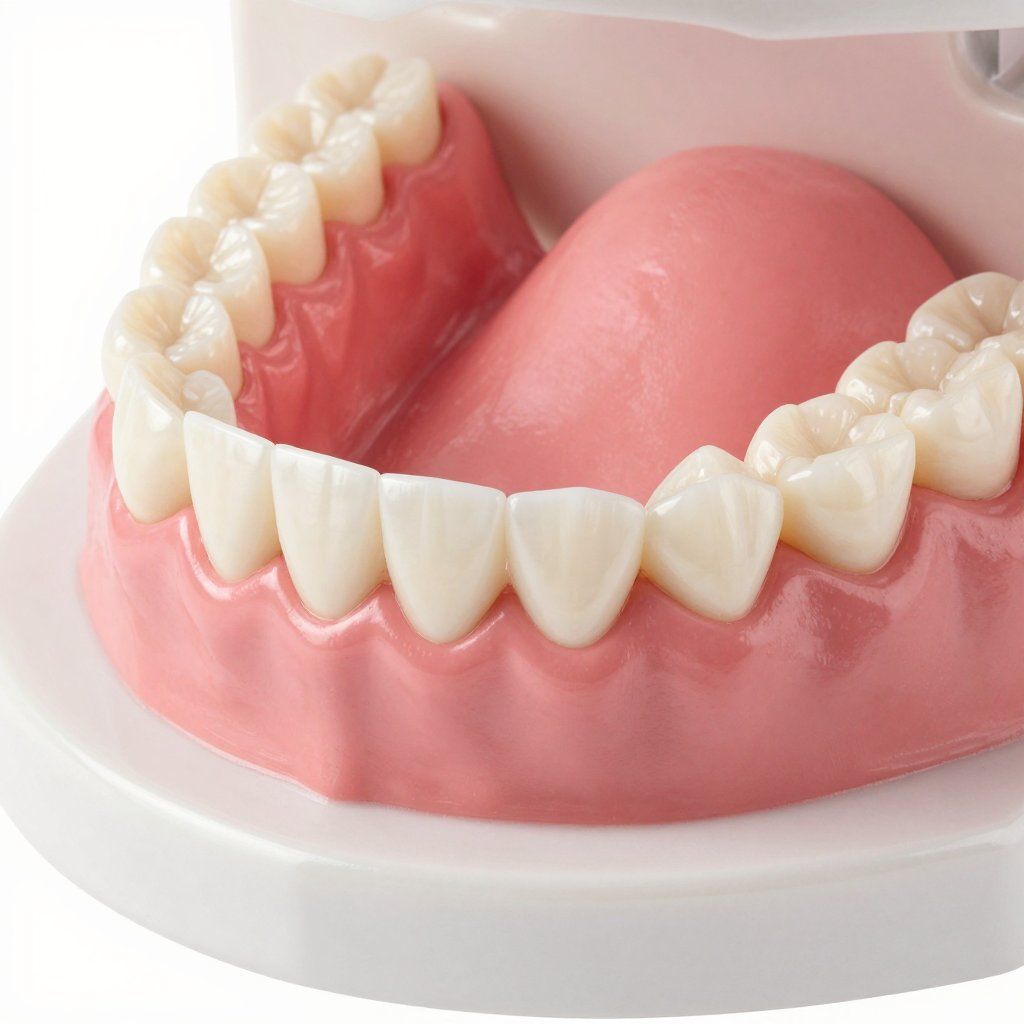
When a tooth is extracted without replacement, a new set of problems begins. Adjacent teeth drift into the gap, your bite changes, and new crowded areas can form. The jawbone in the extraction site begins to resorb (shrink) because it no longer has a tooth root stimulating it. The opposing tooth may super-erupt over time.
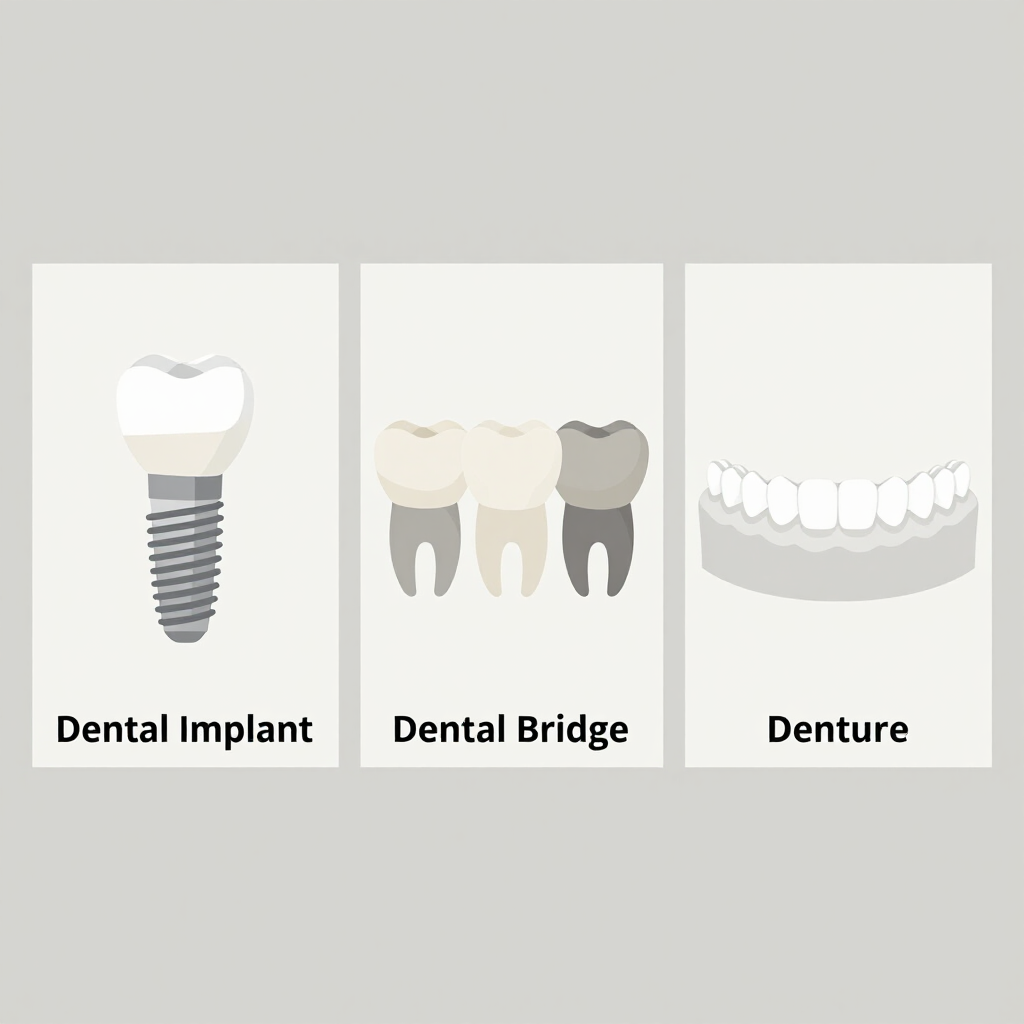
These changes make future treatment more complex and expensive. A straightforward implant placement can become a more involved procedure if bone has been lost—sometimes requiring a bone graft first, adding cost and healing time.
Stage 4: Multiple Teeth, Multiple Problems
When several teeth deteriorate simultaneously—as often happens after years of delayed care—the case quickly escalates from simple restorative work to full-mouth rehabilitation. That may involve multiple extractions, bone loss requiring grafting, gum disease that must be treated before implants, failing crowns and fillings, and a compromised bite affecting jaw joints and muscles.
A full-mouth rehab in the United States can reach $30,000–$80,000+ depending on complexity. Many patients who reach this stage were originally candidates for $2,000–$5,000 worth of preventive and restorative care years earlier.
Why U.S. Patients Delay: The Cost Trap
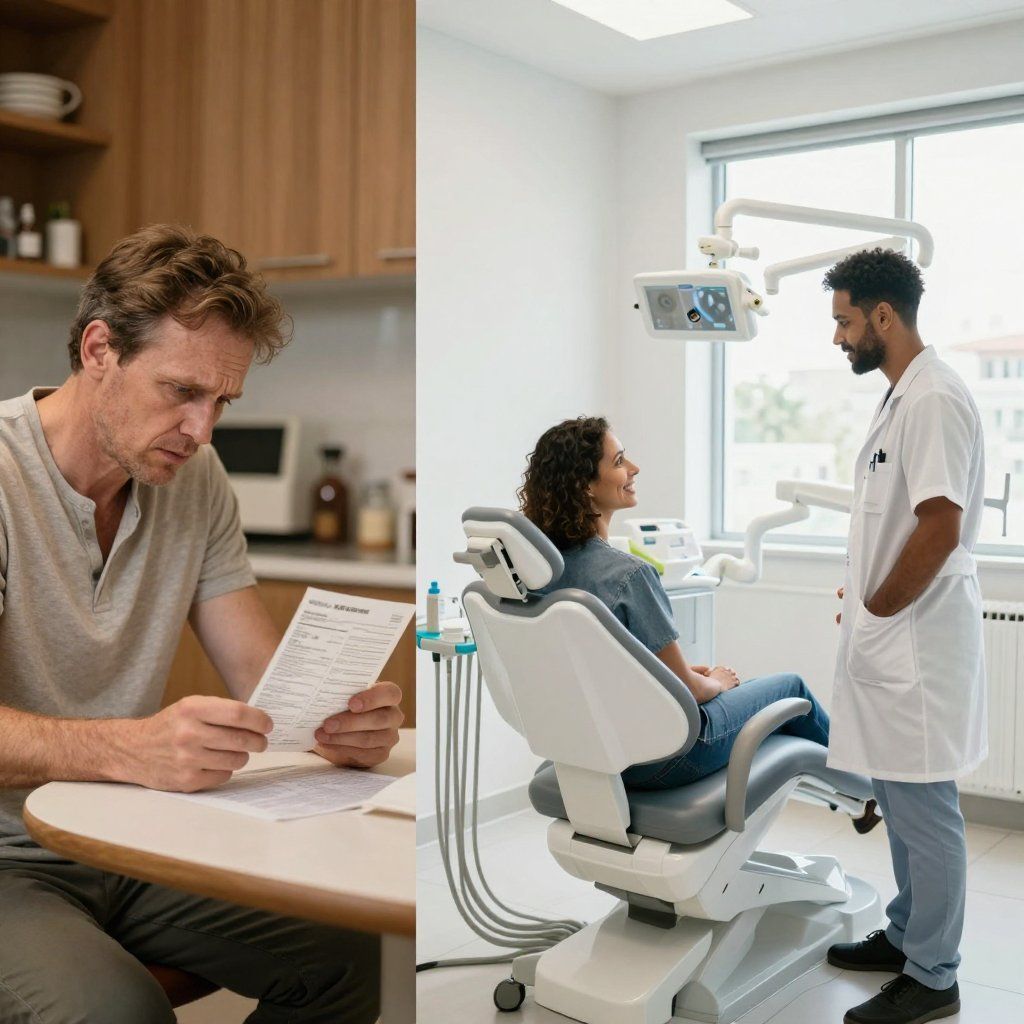
The painful irony is that the reason many patients delay care is the same reason the final bill becomes impossible: limited or no dental coverage, high out-of-pocket costs even with insurance, and competing household priorities. Patients skip the $200 cleaning to save money—and eventually face a $40,000 treatment plan they truly cannot afford.
How Dental Tourism Breaks the Cycle
For patients who have already reached the stage of needing major work, dental tourism in cities like Cartagena, Colombia can offer a way out—not by compromising on quality, but by changing the cost structure. Comprehensive cases can be planned using internationally recognized implant systems and quality ceramics at prices many U.S. patients find manageable for the first time.
Prevention Is Still the Best Investment
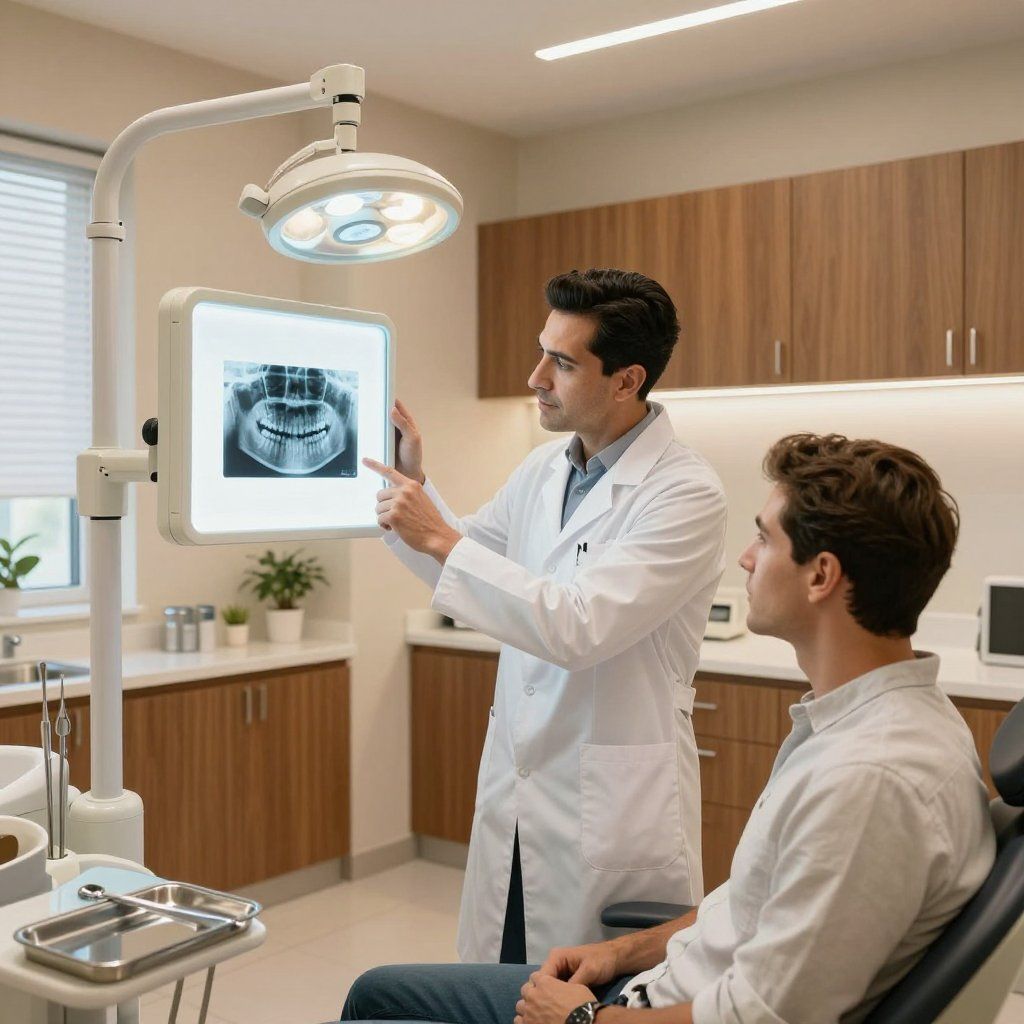
Even with better options for major cases, preventing escalation is still the most powerful strategy: two cleanings per year, small restorations done promptly, replacing missing teeth quickly, and routine checkups that catch changes before they become emergencies.
Who This Article Is Really For
If you recognize yourself in any stage—a cleaning you’ve been putting off, a tooth that broke years ago, or a quote from a U.S. dentist that made your stomach drop—you’re not alone, and you’re not out of options. The problems are real, but so is the ability to address them with the right clinic, the right plan, and the right budget.
✦ Your Smile Deserves a Real Plan—Not Another Delay ✦
If you have been putting off dental care because the U.S. price tag felt impossible, it is time to stop waiting—and start planning.
Whether you need one implant or a complete full-mouth transformation, Dr. Julio Oliver’s clinic in Cartagena is built for patients who are ready to move forward but need a path that fits their life and their budget.
- Take a few dental photos at home using a simple photo guide.
- Send them in along with your goals and any existing X-rays.
- Receive a free, personalized virtual pre-evaluation—an outline, honest timeline, and clear cost estimate from Dr. Julio.
No pressure. No obligation. Just clarity.
The best day to start fixing your smile was years ago. The second-best day is today. Begin your free virtual pre-evaluation and take the first step toward a healthier, more confident smile—on a budget that finally makes sense.