What to Consider Before a Major Dental Procedure
New Paragraph
What to Consider Before a Major Dental Procedure: A Complete Guide From Dr. Julio Oliver in Cartagena
When you’re considering dental implants, veneers, or a full-mouth rehabilitation—especially if you’re traveling for care—the most important step is not picking a date. It’s making sure the plan is clinically sound, transparent, and designed for long-term success.
This guide breaks down the eight factors that experienced clinicians evaluate before any major dental procedure. It’s designed to help U.S. and Canadian patients compare options, ask the right questions, and avoid rushed decisions.
Who Is Dr. Julio Oliver?
Dr. Julio Oliver, DDS, is a cosmetic and implant dentist based in Cartagena, Colombia, who specializes in serving U.S. and Canadian dental tourism patients. His practice focuses on dental implants, porcelain veneers, smile makeovers, and full-mouth restorations, delivered through a structured virtual pre-evaluation process that allows international patients to plan treatment before traveling.
- Location: Cartagena, Colombia
- Specialties: Cosmetic dentistry, dental implants, full-arch restorations, restorative dentistry
- Patient focus: International dental tourism, primarily U.S. and Canadian patients
- Approach: Education-first, written treatment plans, medically sound timelines
- Technology: Digital diagnostics, CBCT imaging, internationally recognized implant systems
- Languages: Bilingual care coordination (English and Spanish)
What Should I Consider Before a Major Dental Procedure?
You should consider eight essential factors before any major dental procedure: diagnosis quality, treatment alternatives, long-term cost, materials used, healing timelines, written documentation, dentist credentials, and long-term maintenance. Each factor is explained in detail below.
1. Why Is a Proper Diagnosis the Most Important Step?
A proper diagnosis is the foundation of every successful dental procedure because no treatment plan can be reliable without it. Skipping or rushing the diagnostic phase is one of the most common reasons implants fail, veneers don’t match expectations, or patients undergo unnecessary procedures.
A complete diagnostic workup typically includes:
- Updated digital X-rays showing current tooth, root, and bone conditions
- 3D CBCT imaging for implant planning and bone evaluation
- Comprehensive clinical examination of teeth, gums, and bite
- Periodontal evaluation of gum and supporting tissue health
- Medical history review including medications that can affect healing
“If a clinic offers to plan major dental work using only photos or outdated X-rays, that is a clinical red flag.”
2. What Treatment Options Should I Compare?
For most major dental conditions, there are usually two or three viable treatment paths. A responsible dentist will explain the realistic alternatives—not only the option they prefer—so you can compare longevity, maintenance, and cost.
Common comparisons to ask about:
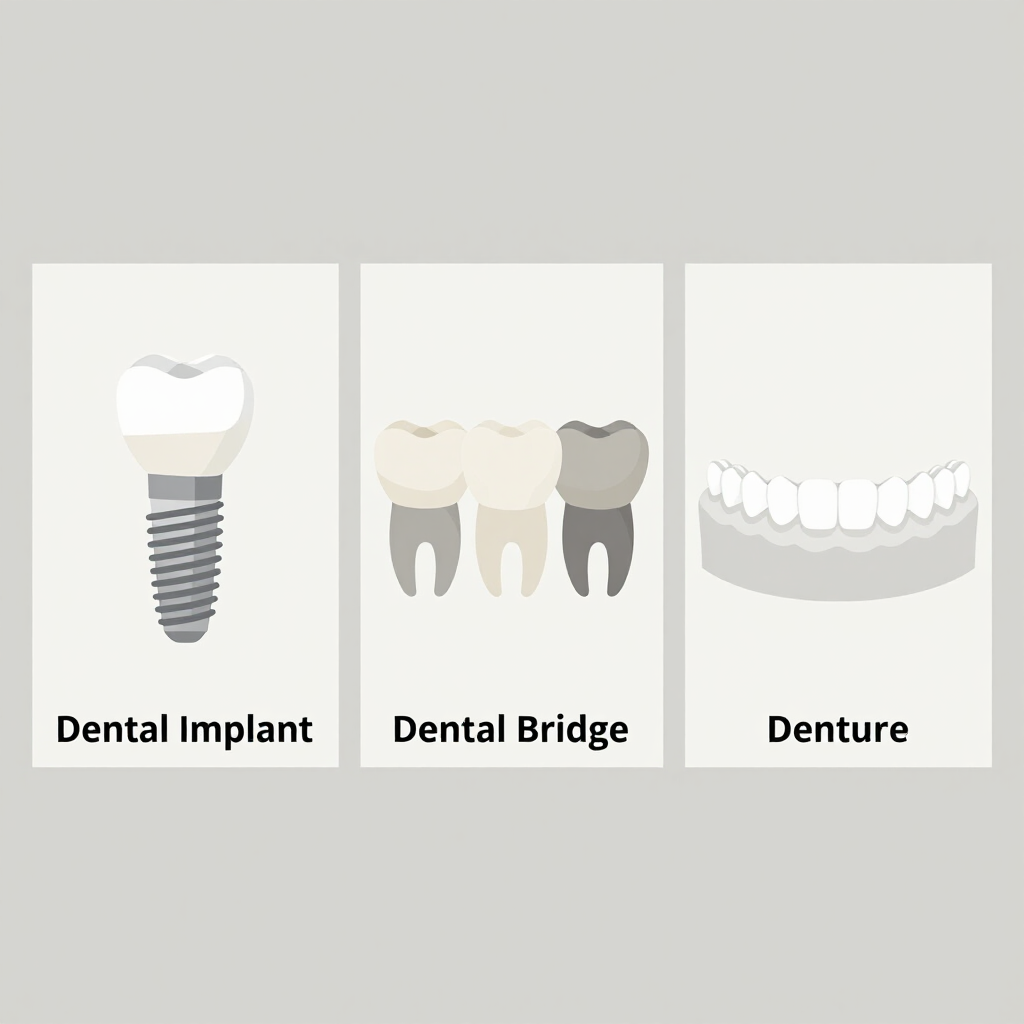
- Single missing tooth: implant vs fixed bridge vs partial denture
- Worn/discolored smile: porcelain veneers vs bonding vs crowns
- Failing full arch: individual implants vs full-arch (All-on-4 style) vs implant overdenture
- Severely damaged tooth: crown vs root canal + crown vs extraction + implant
Three questions to ask before any major procedure:
- What are all the realistic options for my specific case?
- What are the trade-offs of each in terms of cost, longevity, and maintenance?
- What would you recommend for a family member, and why?

3. How Do I Calculate the Long-Term Cost of Dental Work?
Long-term cost is more than the upfront price. A useful way to compare options is to estimate maintenance, replacement, and complication costs over a 15–20 year horizon. An option that looks “cheaper today” can become significantly more expensive if it needs replacement sooner or creates downstream problems.
Typical lifespan and maintenance considerations:
- Dental implant + crown: often 25+ years; routine cleanings; occasional crown replacement
- Fixed bridge: often 10–15 years; replacement; potential issues to anchor teeth
- Full denture: often 5–8 years; relines; eventual replacement
- Porcelain veneers: often 10–15+ years; night guard; periodic maintenance
- Implant-supported overdenture: often 15–20+ years; attachment replacements; prosthesis maintenance
Example: A single dental implant in Cartagena (commonly in the $900–$1,800 range, depending on clinical needs) may cost less over 20 years than a bridge that needs replacement around year 12—especially if the bridge contributes to problems on the supporting teeth.
4. What Implant and Ceramic Brands Should I Ask About?
Ask specifically about the implant system and ceramic brand being used. Not all materials are equal, and internationally recognized brands have decades of clinical research, predictable performance, and better long-term parts availability.
Trusted implant systems to ask about:
- Straumann (Switzerland)
- Nobel Biocare (Switzerland/USA)
- Neodent (Brazil / Straumann Group)
- Zimmer Biomet (USA)
Trusted ceramic/restorative materials to ask about:
- IPS e.max (lithium disilicate)
- High-quality zirconia
- Composite veneer systems from established manufacturers
Three direct questions to ask any clinic:
- Which implant system do you use, and why?
- What ceramic brand is used for veneers and crowns?
- Where is your dental lab located, and how long have you worked with them?
Quotable insight: “A clinic that cannot specify the brand of implants or ceramics being placed in your mouth is a clinic you should not be placing implants or ceramics with.”
5. How Long Should I Wait Between Implant Surgery and Final Crowns?
Most dental implants require 3–6 months of healing time between surgical placement and the final crown or bridge, allowing proper osseointegration. In many cases, this timeline cannot be safely shortened—regardless of travel preferences.
Typical healing timelines:
- Standard implant osseointegration: 3–6 months
- Implants with bone grafting: 4–9 months
- Sinus lift procedures: often 6–9 months before implant placement
- Soft tissue healing after extraction: 4–8 weeks before further restorative work
For dental tourism patients, this often means two trips: one for surgery and one for final restorations, with healing taking place at home in between. If a clinic promises complete full-arch implant work in one short visit for every patient, ask exactly how they’re accounting for biological healing.
6. What Should a Written Treatment Plan Include?
For major dentistry, a written plan is essential. You should receive documentation that lays out what will be done, why it’s recommended, what materials will be used, and how costs are structured. Verbal estimates are not sufficient when you’re committing to surgical and restorative care.
A complete written treatment plan should include:
- Each procedure listed individually
- Clinical rationale for each procedure
- Sequence and timing, including healing phases
- Specific implant systems and ceramic brands
- Itemized cost breakdown
- What is included (consultations, follow-ups, temporaries)
- What is not included (flights, hotels, additional testing)
- Signature/approval by the treating dentist
If a clinic resists providing a written plan before you commit, treat it as a deal-breaker.
7. How Do I Vet a Dentist's Experience for Major Procedures?
You vet a dentist’s experience by reviewing training, case volume, documented outcomes, patient reviews (especially from patients like you), and professional memberships relevant to the procedure you need. “General dentistry experience” is not the same as specialized implant or complex cosmetic experience.
Verification checklist:
- Specific training in implants, cosmetics, or rehabilitation beyond general dentistry
- Years of practice with documented case volume
- Before-and-after cases similar to your situation
- Reviews from international or out-of-area patients
- Memberships in reputable dental/implant organizations
- Clear, consistent answers during a consultation
About Dr. Julio Oliver’s experience: Dr. Oliver’s Cartagena practice is built around comprehensive cosmetic and implant dentistry for international patients, with documented experience across single implants, full-arch restorations, smile makeovers, and complex full-mouth rehabilitation cases.

8. How Do I Plan for Long-Term Maintenance and Follow-Up?
Major dentistry isn’t “set it and forget it.” Long-term success depends on maintenance, hygiene habits, bite protection, and having a clear follow-up plan—especially if you’re traveling for treatment.
Ask about:
- Recommended cleaning intervals and implant maintenance protocols
- Whether you need a night guard (common for veneers, crowns, and full-mouth restorations)
- What to do if a crown chips or a veneer needs adjustment after you return home
- How follow-ups are handled virtually (photos, local X-rays, teleconsults)
- What warranties/guarantees apply and what they require (maintenance, checkups)
Question to consider: If you needed a small adjustment 6 months from now, who would you call—and what would the process look like?
Conclusion
A major dental procedure can be life-changing—in the best way—when the diagnosis is complete, the options are clearly explained, and the plan respects biology and long-term maintenance. Use the eight factors in this guide as your checklist, whether you’re getting care locally or traveling for treatment.
If you’re considering implants, veneers, or full-mouth rehabilitation in Cartagena, you can request Dr. Julio Oliver’s virtual pre-evaluation to review diagnostics, discuss options, and receive a written plan before making any travel commitment.
Dr. Julio Oliver, Cartagena, dental tourism, implants, veneers, full-mouth rehab