The Risks of 'Cheap and Fast' Dentistry: What Patients Should Look Out For
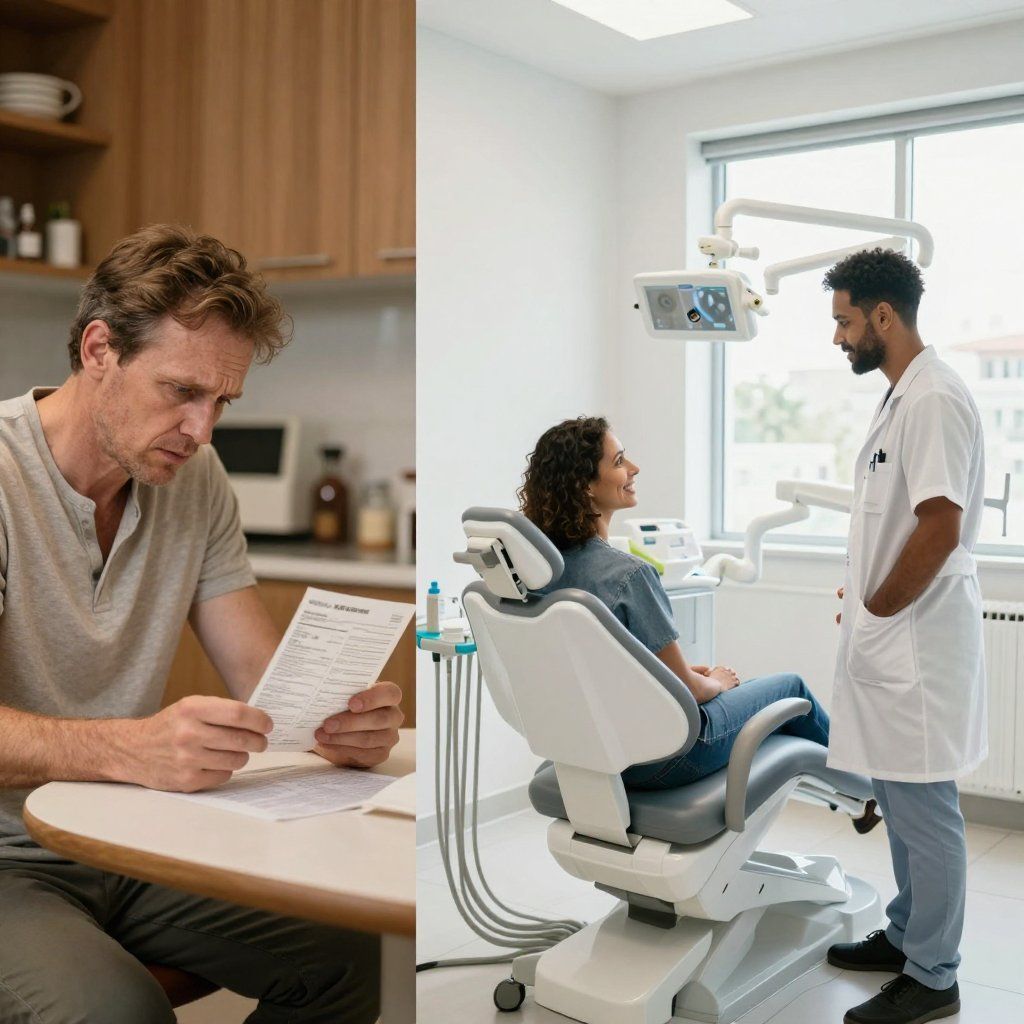
Dental care is expensive, and the desire to save money is completely understandable—especially when treatment estimates can run into the tens of thousands for major work. But in dentistry, as in most things, there is a meaningful difference between affordable, quality care and cheap, rushed care . When corners are cut—on materials, planning, healing time, or diagnosis—the consequences often show up months or years later in the form of failed implants, cracked veneers, recurring infections, or the need to redo everything from scratch.
Understanding where the risks lie helps patients make smarter choices, whether they're considering treatment locally or traveling abroad. What should you watch for before you commit?
Why “Cheap and Fast” Dentistry Is Worth Talking About
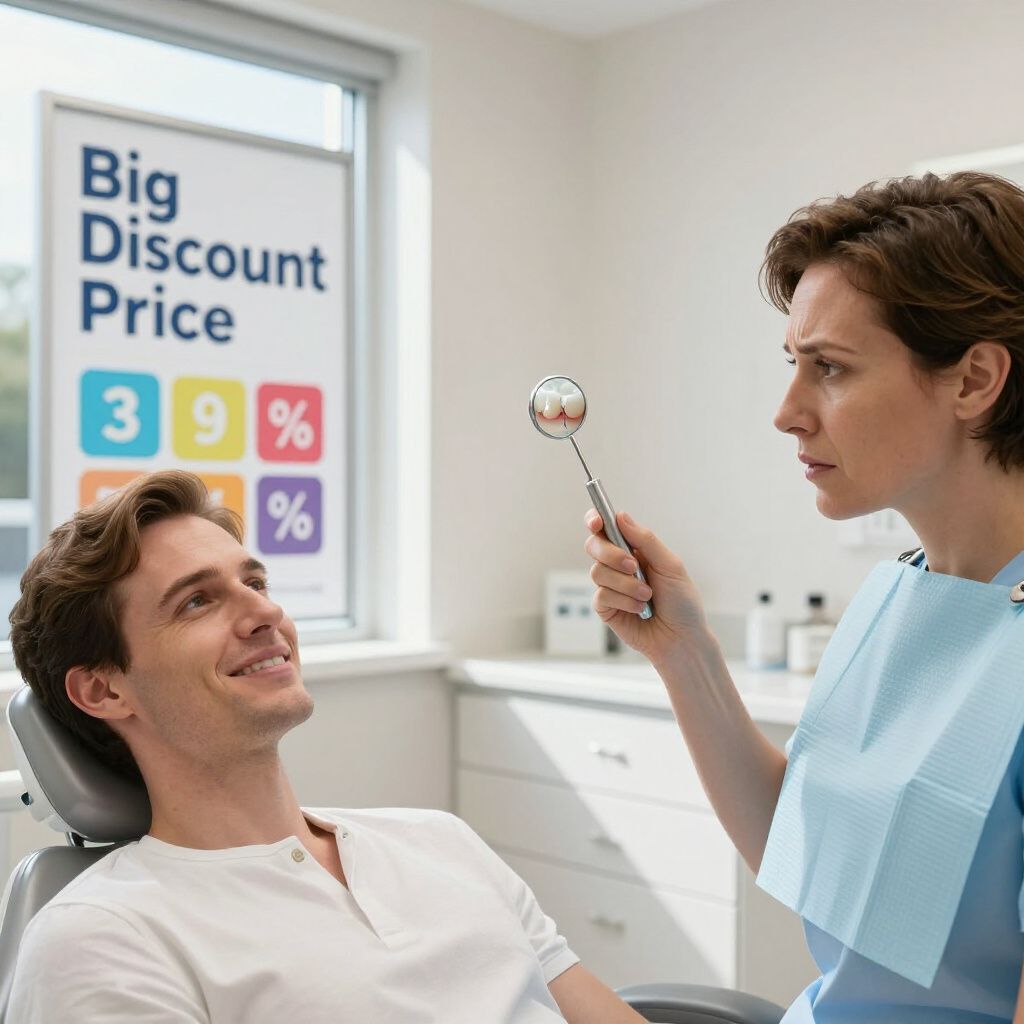
“Cheap and fast” is tempting, especially when a clinic promises dramatic results in a single trip and highlights a price that feels too good to pass up. The problem is that some shortcuts don’t reveal themselves immediately. They show up later as pain, instability, aesthetic failure, infection, or bite problems that require complex—and expensive—repairs.
Knowing the most common red flags helps you separate legitimate value from risky shortcuts.
What “Cheap and Fast” Actually Means in Dentistry
The phrase doesn’t just refer to low prices. It describes a pattern of decision-making—by a clinic or a patient—that prioritizes speed and cost over:
- Proper diagnosis and treatment planning
- Appropriate healing periods and staged care
- Quality materials and lab work
- Honest communication about realistic outcomes
And it can happen in a high-end-looking clinic just as easily as in a low-budget one. The warning signs are in how care is delivered, not only what it costs.
Red Flag 1: Skipping or Rushing the Diagnosis Phase
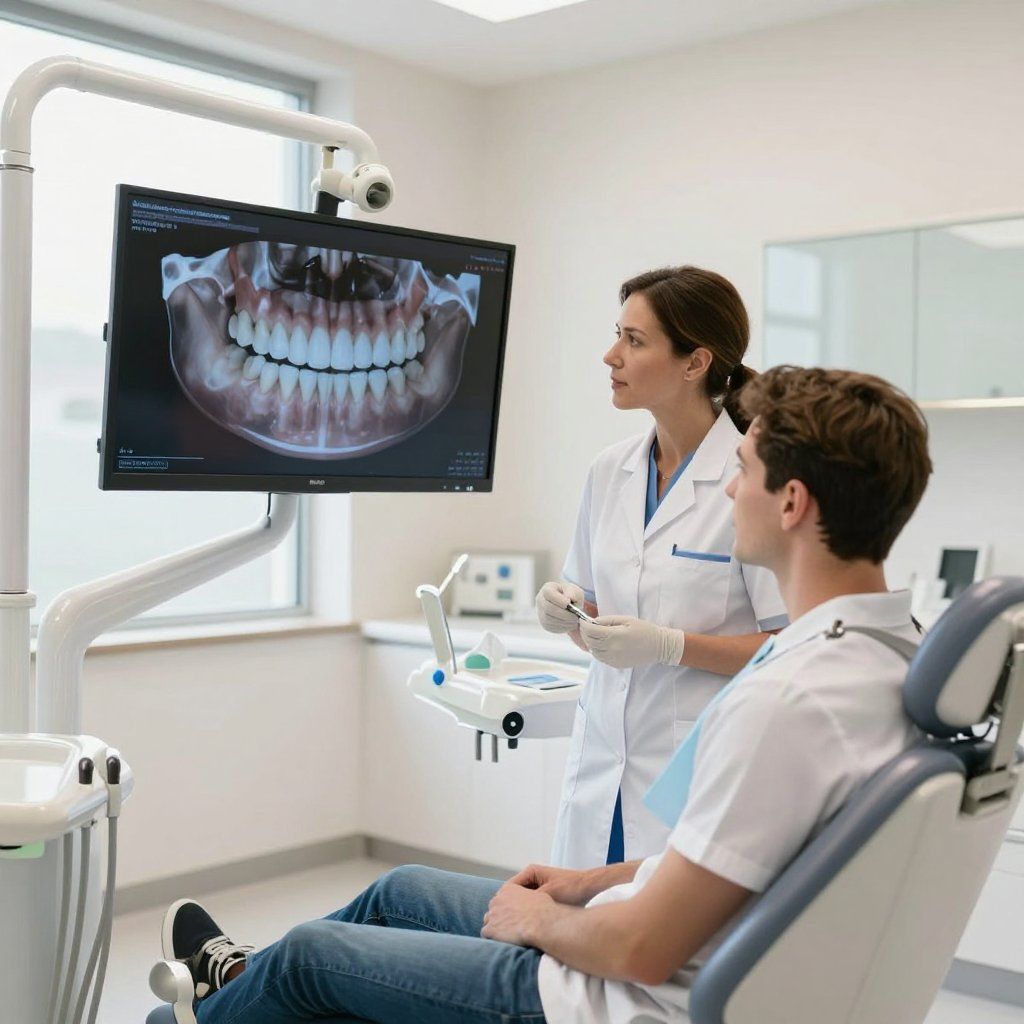
Responsible treatment—especially for implants, veneers, or full-mouth rehabilitation—starts with thorough diagnosis:
- Updated X-rays or a 3D CBCT scan
- Evaluation of bone density and volume (for implants)
- Assessment of gum health, bite, and existing restorations
- Medical history review for conditions that affect healing
When a clinic skips or minimizes this phase to move faster, they risk placing implants in bone that can’t support them, missing infections under old restorations, or designing veneers on a bite that will crack them prematurely.
What to look for: A clinic that offers to plan your full treatment from photos alone—without requesting X-rays or scans—should raise immediate questions.
Red Flag 2: Compressing Implant Timelines Without Medical Justification
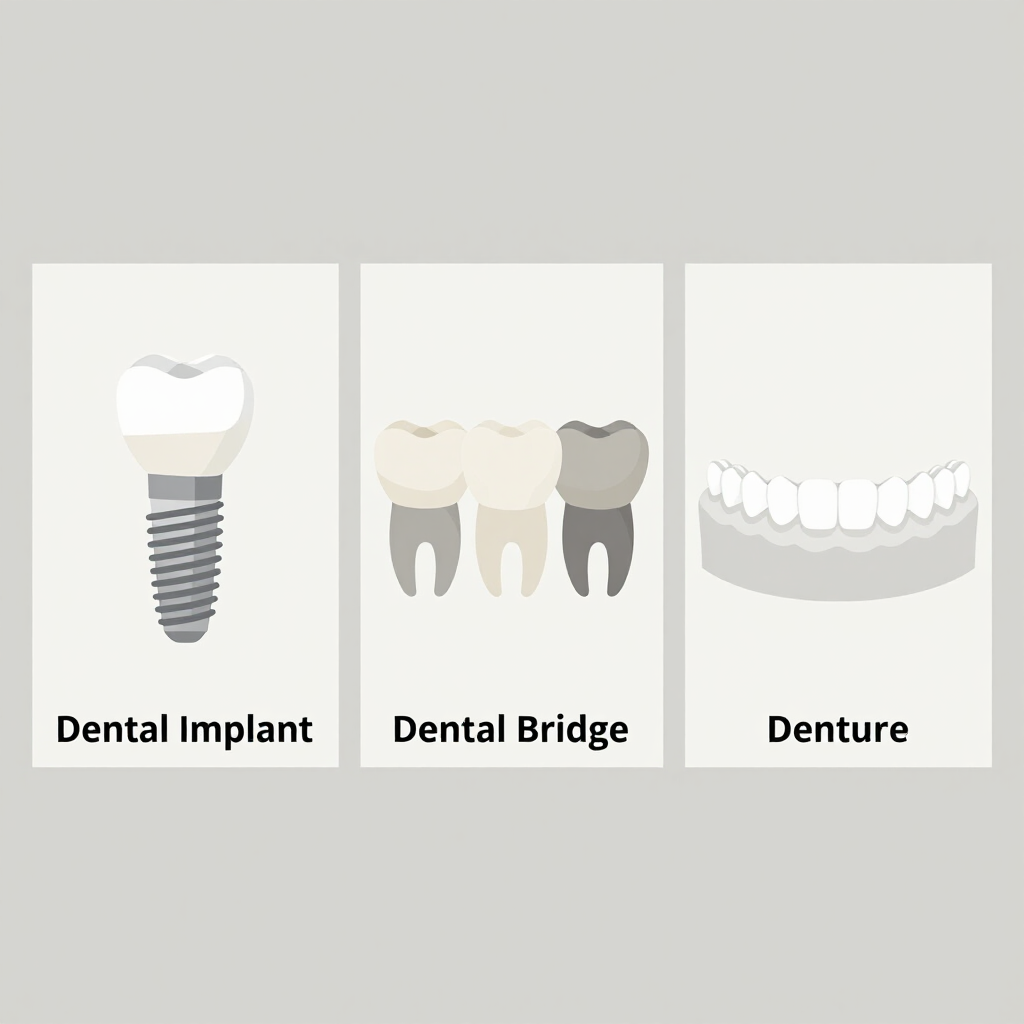
This is one of the most common—and most serious—forms of rushed dentistry in the dental tourism world. Implants require osseointegration , a biological bonding process that can’t be forced to happen on a sales timeline.
Loading implants too soon can lead to failed osseointegration (implants that loosen or fall out), bone loss around the implant due to early mechanical stress, and expensive redo procedures that may require grafting and longer waiting periods.
What to look for: Any clinic promising complete, permanent full-arch restorations in 3–5 days for every patient—regardless of bone condition, graft needs, or healing status—is compressing timelines for commercial reasons, not clinical ones.
Red Flag 3: Low-Grade Materials and Unknown Labs
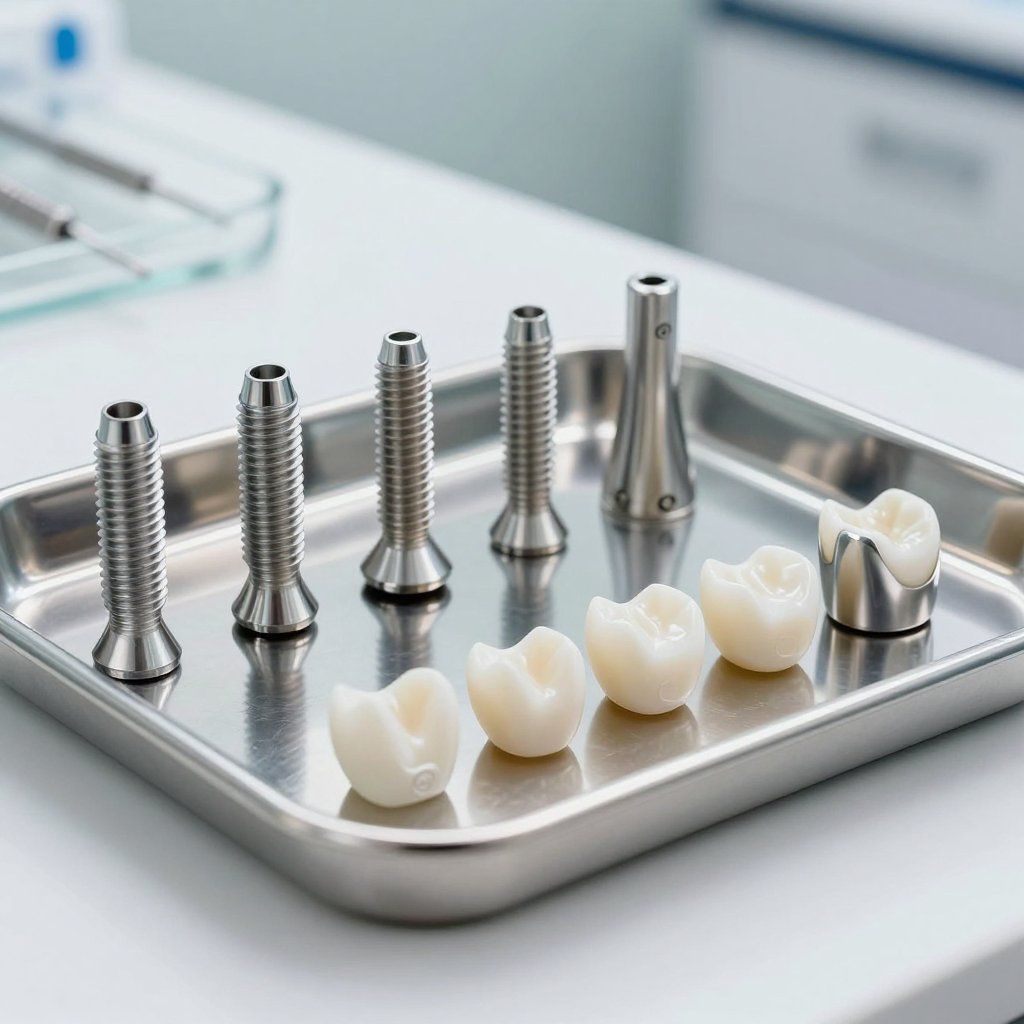
Not all implants, veneers, crowns, and ceramics are equal. Cheap dental work often relies on generic implant systems with limited track records, low-quality ceramics that chip or stain quickly, or rushed lab work where quality control is inconsistent.
Quality clinics clearly specify the brands and systems they use and can explain why. If a clinic can’t (or won’t) tell you what implant or ceramic system they use, that’s a red flag worth taking seriously.
What to look for: Ask: “What implant system do you use?” and “Where is your lab located—and how long have you worked with them?” Vague answers deserve follow-up.
Red Flag 4: Overloaded Appointment Schedules
Quality dental work—especially cosmetic and implant cases—requires focused time. Veneer preparations need careful attention to tooth shape and gum contours. Implant placement requires precise positioning and tissue management. Try-in appointments need time for shade and shape refinement.
When a clinic overschedules to maximize volume, the patient experience becomes rushed—and the details that determine long-term success are more likely to be missed.
What to look for: Ask how much dedicated chair time is allocated for your procedure days and how many other patients are scheduled alongside you.
Red Flag 5: No Written Treatment Plan or Cost Breakdown
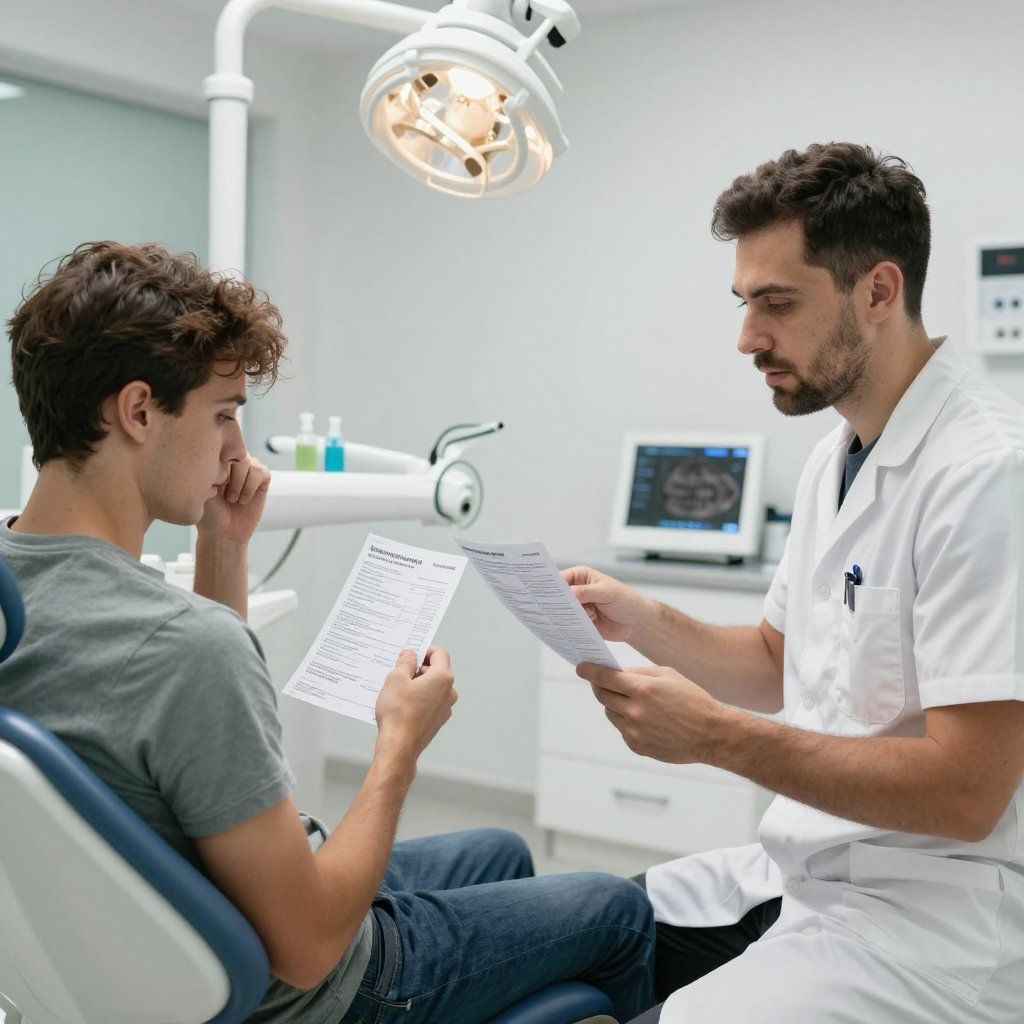
A legitimate clinic should provide a written plan that includes each recommended procedure, the sequence (and rationale) for staged treatment, materials/brands, itemized costs, and realistic timelines and visits.
Verbal estimates and vague “packages” make it hard to understand what you’re agreeing to—and hard to hold anyone accountable later if the outcome doesn’t match the promise.
What to look for: If a clinic resists putting recommendations and costs in writing before you commit, treat that as a significant warning sign.

Red Flag 6: Pressure to Decide Immediately
Major dental decisions take time. Reputable providers understand that and give you space to think. High-pressure language—like “book today,” “limited spots,” or “commit now to keep this price”—prioritizes a booking calendar over your health.
What to look for: Pressure is a reason to slow down, not speed up. Ask for the plan in writing and take time to review it carefully.
Red Flag 7: Promises That Sound Too Perfect
Be cautious of sweeping guarantees: “perfect smile in 48 hours,” “implants never fail,” “no grafts needed for anyone,” or “you’ll love the result no matter what.” Honest dentistry includes nuance, biology, and risk management.
What to look for: A dentist who explains risks, acknowledges uncertainty when appropriate, and sets realistic expectations is more trustworthy than one who makes universal promises.
What Quality Dentistry Actually Looks Like
In contrast to the red flags above, quality care is recognizable in the process:
- Thorough evaluation with appropriate imaging before recommendations
- Medically sound timelines that include healing phases
- Named, documented materials and verified lab partners
- Written plans with itemized costs and clear sequencing
- Education-focused consultations and informed consent
- No pressure to commit on the spot
These qualities don’t always correlate with price. Some of the most dangerous experiences happen in flashy clinics that rush decisions; some of the most responsible care happens in modest practices that put patient education first.
Why This Matters Even More for Dental Tourism Patients
When you travel internationally for implants or cosmetic dentistry, the stakes are higher. Problems may not appear until you’re home, thousands of miles away. Fixing failures locally can cost more than doing it correctly the first time, and local providers may have difficulty repairing work done with unknown systems or materials.
This is why dental tourism patients should apply the same scrutiny—or more—to clinics abroad as they would to any provider at home.

How Dr. Julio Oliver Approaches This Differently
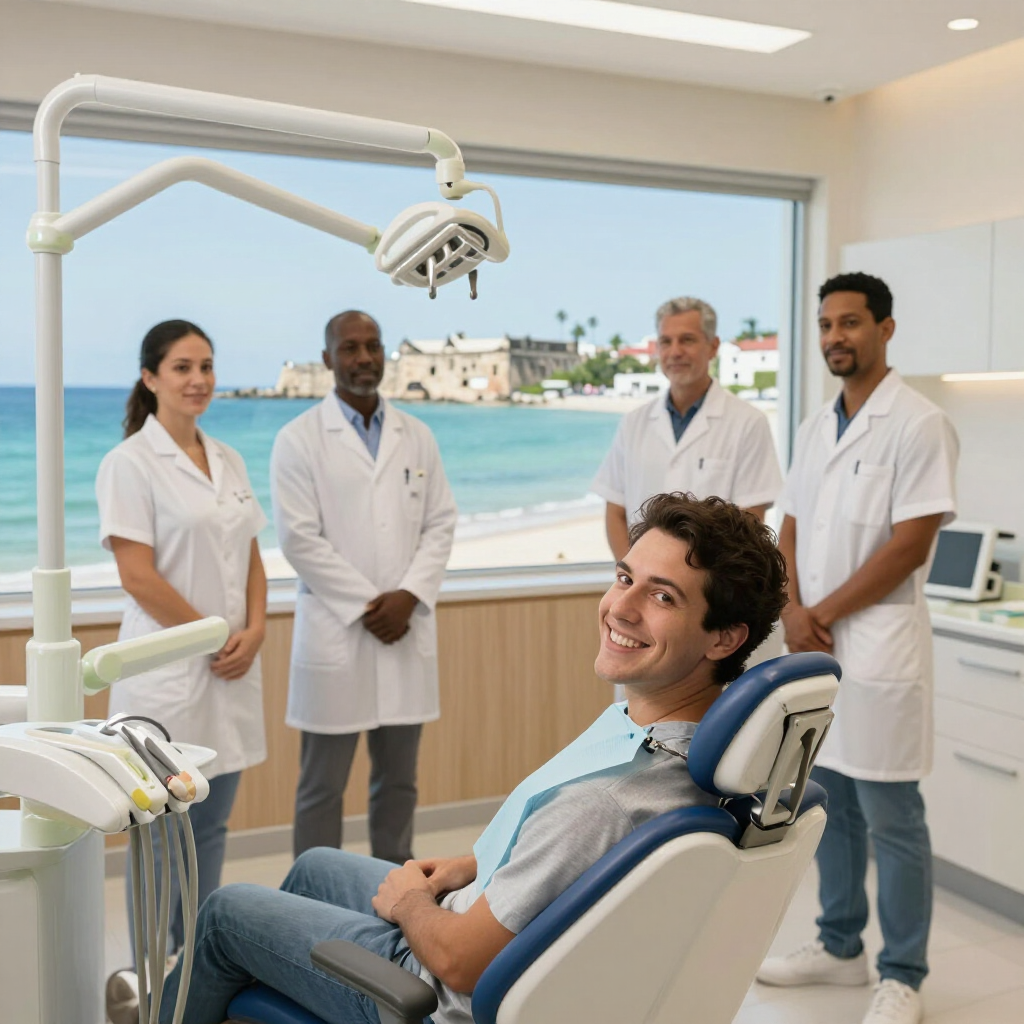
At Dr. Julio Oliver’s clinic in Cartagena, the philosophy is built on the opposite of “cheap and fast”:
- Proper diagnosis first: Updated records, imaging, and an honest assessment before recommending treatment
- Medically sound timelines: Implant cases staged appropriately—even when that means recommending two trips
- Named, international materials: Patients know which implant systems and ceramic brands are being used
- Written plans and cost breakdowns: Clear documentation so patients can compare options and decide confidently
- No-pressure evaluations: Information first; commitment only when the patient is truly ready
This approach may not be the fastest quote you’ll find—but it’s designed for outcomes that last and a process that protects your health at every step.
Conclusion
Not all dental care is the same—and when it comes to implants, veneers, and full-mouth work, the difference between a rushed plan and a careful one can mean years of problems or years of confidence. Choosing wisely starts with recognizing the red flags and insisting on diagnosis, transparency, and realistic timelines.
Dr. Julio Oliver’s clinic in Cartagena is built around doing things right—not just doing them fast.
Start with a free virtual pre-evaluation: share your photos, X-rays, and goals, and receive an honest, written treatment plan with clear costs and realistic timelines. No pressure. No shortcuts. Just a clear path to a smile that lasts.