10 Myths and Truths About Dental Tourism in Cartagena, Colombia
Cartagena has become a well-known destination for dental tourism, drawing patients from the U.S. and Canada for implants, veneers, and full-mouth restorations at significantly lower prices than back home. But with that popularity comes a lot of confusion—some based on outdated information, and some based on experiences from less-regulated destinations that patients wrongly apply to all of Latin America. Understanding what’s myth and what’s truth helps you evaluate Cartagena clearly and make a decision based on facts, not fear.
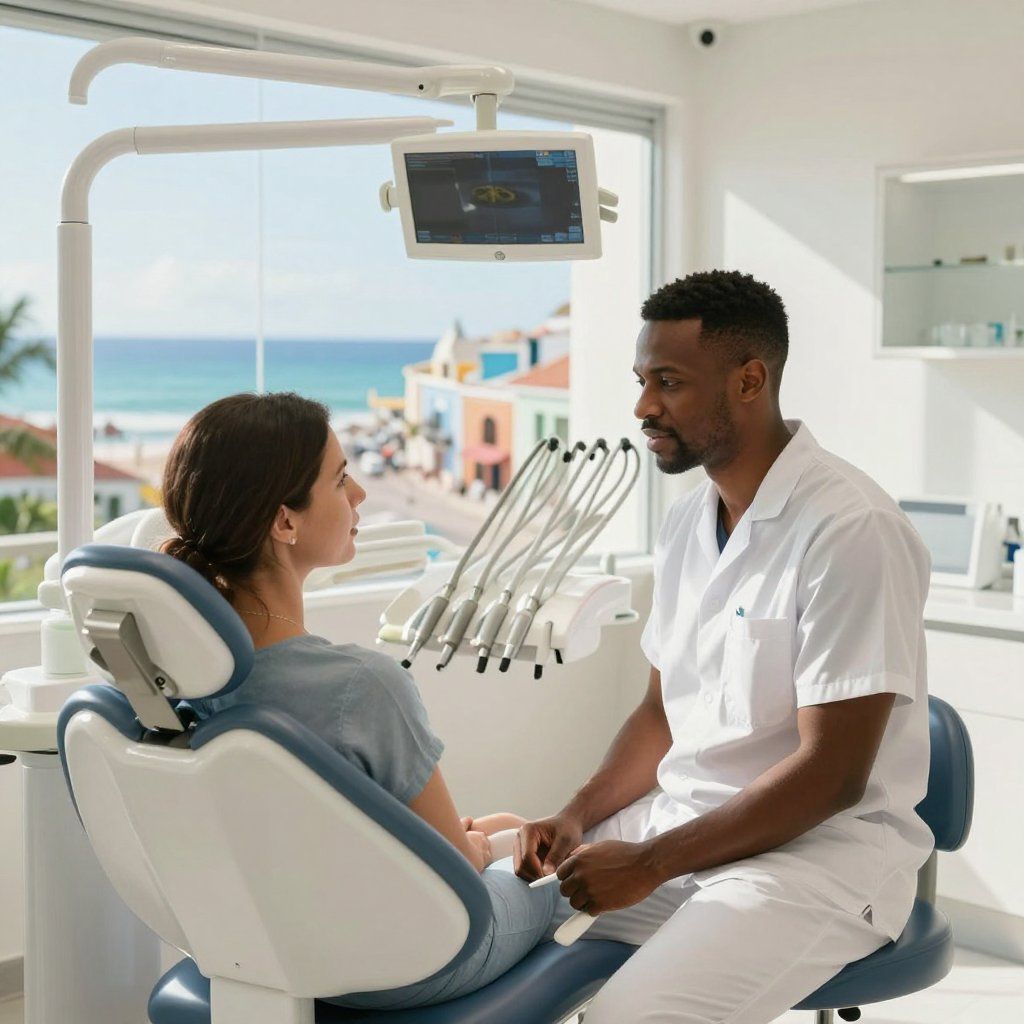
Why So Many Myths Exist About Dental Tourism in Cartagena
Dental tourism blends two big decisions—healthcare and international travel—so it naturally triggers strong opinions. Add in viral social media stories and the fact that prices can be dramatically different from the U.S., and it’s easy for myths to spread faster than facts.
The most helpful approach is to judge Cartagena the same way you would judge any city in the U.S.: by the specific clinic, the specific clinician, and the specific treatment plan—not by rumors or stereotypes.
Myth 1: “If it’s cheaper, it must be lower quality.”
Truth: Lower cost in Cartagena is driven largely by differences in currency, overhead, and health-system structure—not necessarily lower clinical standards.
- Private clinics in Colombia don’t carry the same insurance and overhead burden as many U.S. practices, which allows them to charge less while still using international-brand implants and high-end ceramics.
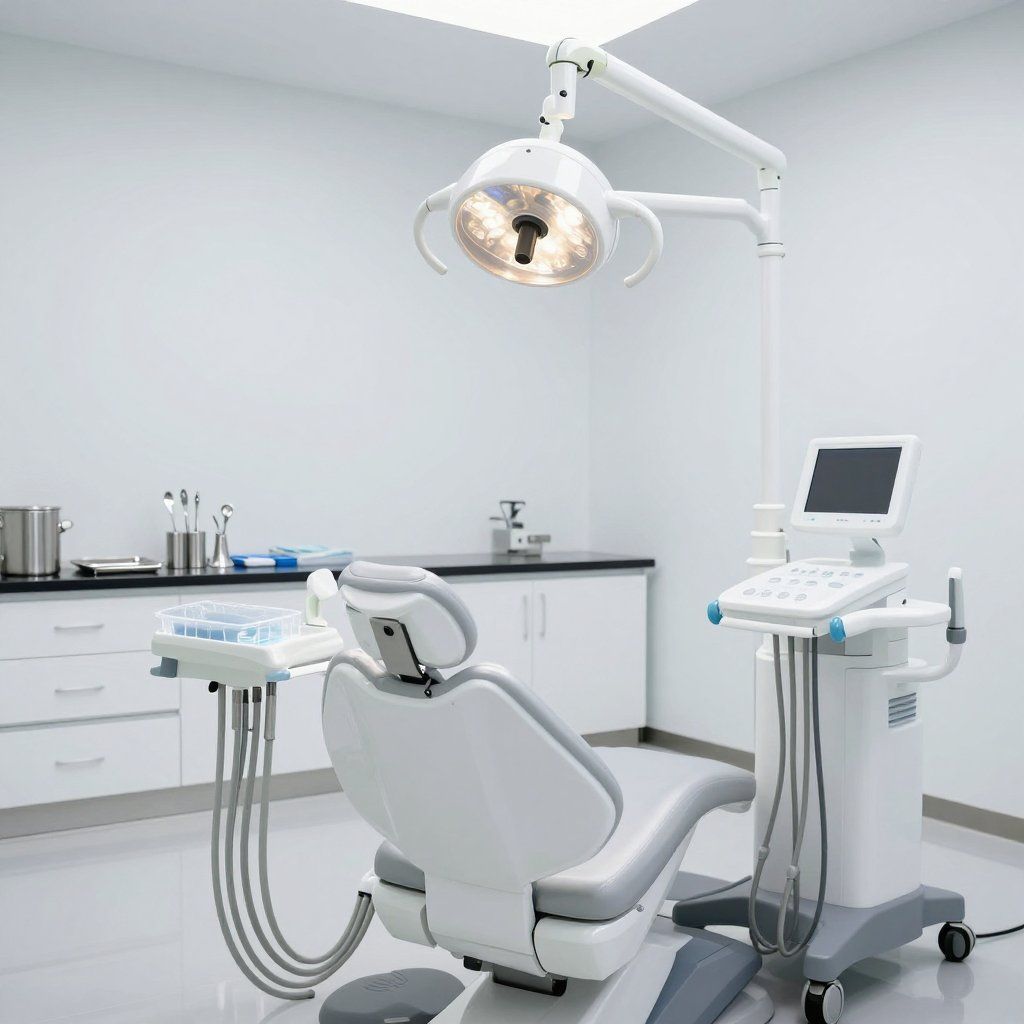
- Well-established Cartagena clinics invest in digital imaging, implant planning, and modern sterilization protocols specifically to attract international patients with high expectations.
The key is to choose a clinic that can document its technology, materials, and training—just as you would in the U.S.
Myth 2: “Dental clinics in Cartagena are not as safe as in the U.S.”
Truth: Safety varies by clinic everywhere. Cartagena has many modern, highly regulated practices designed for international patients—but you must still choose carefully.
- Colombia has a strong private healthcare sector, and cities like Cartagena host clinics that follow strict infection-control and sterilization standards to compete globally.
- Reputable dental tourism clinics clearly explain their sterilization processes, use autoclaves, and follow protocols similar to those in North America.
If a clinic is transparent about protocols, welcomes questions, and provides visible evidence of hygiene standards, that’s a positive sign—just as it would be at home.
Myth 3: “The dentists aren’t as well trained as U.S. dentists.”
Truth: Many Cartagena dentists complete rigorous training in Colombia and often pursue additional education or residencies abroad.
- Colombian dental schools and specialty programs have curricula aligned with international norms, and some clinicians train or attend courses in the U.S. and Europe.
- Implant and cosmetic specialists frequently list memberships in international organizations and show case portfolios for complex work like full-arch implants and smile makeovers.
As a patient, you can (and should) review your dentist’s education, post-graduate training, and number of similar cases completed—whether you’re in Cartagena or in your hometown.
Myth 4: “Dental tourism is only about the lowest possible price.”
Truth: Serious dental tourism patients are usually seeking value, not just the cheapest deal.
- U.S. patients often choose Cartagena when they need extensive work—multiple implants, full-arch solutions, or large veneer cases—that would cost tens of thousands more in the U.S.
- Many are looking for comprehensive, high-quality plans they simply can’t afford at home, rather than quick fixes.
A clinic like Dr. Julio Oliver’s in Cartagena emphasizes medically sound timelines and long-term results, not “fast and cheap” promises.
Myth 5: “You can get everything done in a single quick trip—no matter what.”
Truth: Some treatments can be completed in one visit, but medically sound implant cases often require staged treatment and healing time.
- Simple veneer cases or limited restorations are often completed in 5–10 days.
- Implant treatments may be split into two trips: one for surgery and placement, another after a few months for final crowns or bridges.
Clinics that insist they can always do complex full-arch work in one short visit, regardless of bone or health conditions, should raise red flags. A responsible Cartagena clinic will design a timeline that respects your biology, not just your vacation schedule.
Myth 6: “If something goes wrong, you’re on your own.”
Truth: Good dental tourism clinics plan for follow-up and coordination with local dentists back home.
- Many Cartagena practices offer post-treatment support via email, messaging apps, or virtual calls, and provide detailed records you can share with a U.S. dentist.
- Some encourage patients to schedule a checkup with a local provider after returning home and are willing to communicate with that dentist as needed.
While you may need to budget for local follow-up, you’re not automatically “abandoned” if you choose a clinic that takes continuity of care seriously.
Myth 7: “Traveling to Colombia is too dangerous for medical treatment.”
Truth: Like any international destination, Cartagena requires common-sense precautions, but it is a well-established tourist city with infrastructure built around visitors.
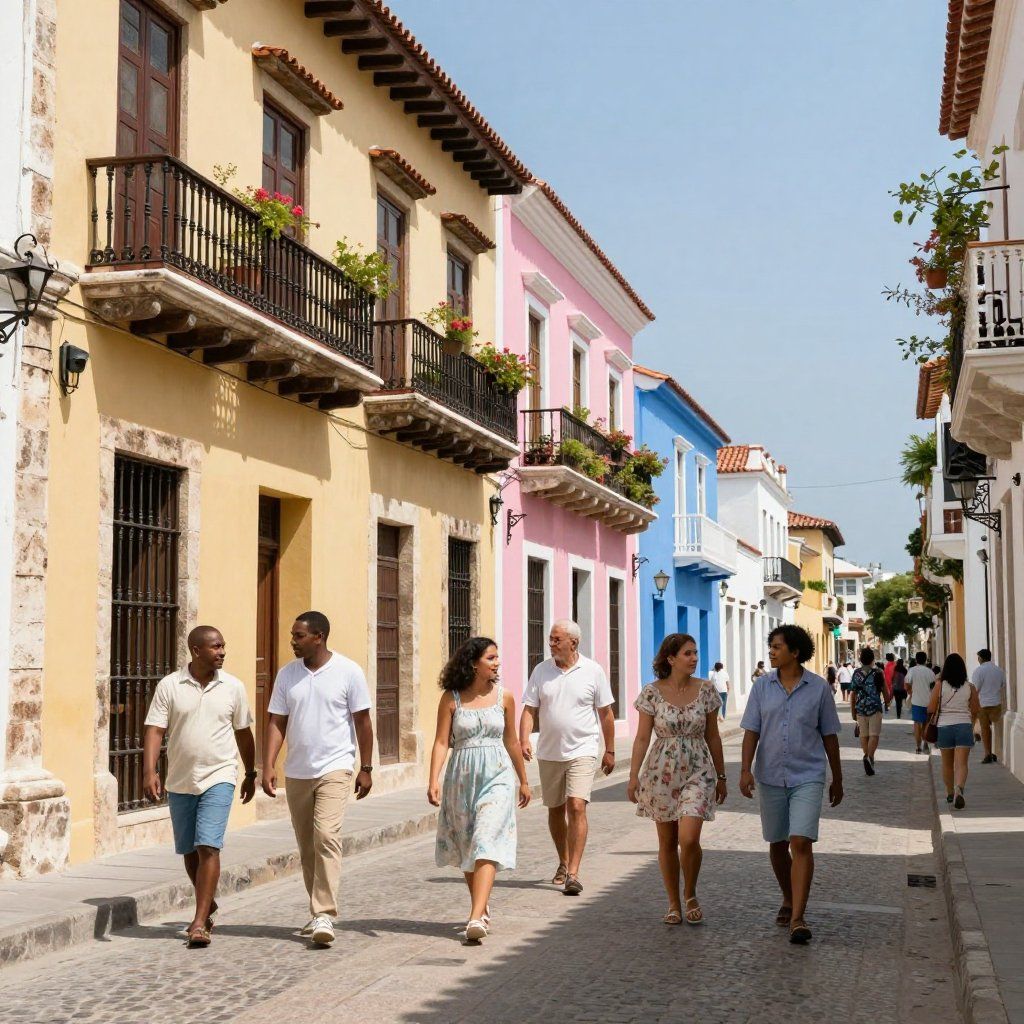
- Cartagena’s historic center and main tourist areas are heavily frequented by international travelers, with hotels, restaurants, and transport accustomed to English-speaking guests.
- Patients typically stay in central, well-traveled areas and move between clinic and accommodation via reputable taxis or ride-share services recommended by the clinic or hotel.
Checking current travel advisories and following standard safety practices (just as you would in any big city) helps most patients feel comfortable during their treatment stay.
Myth 8: “Reviews from other patients can’t be trusted.”
Truth: No review system is perfect, but consistent patterns across multiple platforms are very informative.
- Many Cartagena clinics serving international patients have Google, Facebook, and third-party medical tourism reviews that mention specific treatments, timelines, and outcomes.
- Look for detailed stories from U.S. and Canadian patients describing communication, planning, and follow-up—not just generic “great clinic!” comments.
Cross-checking reviews, looking at before-and-after photos, and seeing how clinics respond to feedback gives a clearer picture of what you can expect.
Myth 9: “It’s too complicated to plan a dental trip to Cartagena.”
Truth: Clinics focused on dental tourism make the process much more structured than most patients expect.
Typical steps include:
- A virtual pre-evaluation with photos and records so you get a realistic plan and estimate before booking flights.
- Clear guidance on how many days to stay, when your key appointments will be, and what to expect between visits.
- Help with practical questions—neighborhood suggestions, timing between procedures, and when you’re safe to fly.

Myth 10: “Dental tourism is only for people who can’t find good dentists in the U.S.”
Truth: Many dental tourism patients already have a local dentist—but not a local price they can manage for big cases.
- It’s common for U.S. patients to get a comprehensive treatment plan at home, then discover the total cost is far beyond what insurance and budget allow.
- Some then research Cartagena and similar destinations to see if they can get comparable quality at a more attainable cost, while still returning home to their local dentist for long-term checkups.
In other words, dental tourism is often a partnership between a specialist abroad and a trusted provider at home—not a rejection of U.S. dentistry.
How a Cartagena Specialist Like Dr. Julio Oliver Addresses These Myths
Clinics built around international patients—like Dr. Julio Oliver’s practice in Cartagena—actively work to replace myths with clear information:
- Education and transparency: Explaining implant protocols, veneer timelines, and realistic outcomes in plain English before you travel.
- Structured planning: Aligning your treatment with safe healing periods, not just “vacation days.”
- Long-term thinking: Providing documentation, follow-up access, and guidance on how to coordinate with your U.S. dentist after you return.
By focusing on education and clear communication, they help U.S. and Canadian patients make decisions based on facts rather than fears or social media rumors.
Conclusion
Dental tourism in Cartagena isn’t “automatically risky” or “automatically perfect”—it’s a decision that depends on clinic selection, clear planning, and realistic expectations. If you evaluate a clinic the way you would at home—materials, credentials, transparency, and follow-up—you can replace anxiety with clarity and choose based on evidence.

If you’re considering treatment, start by gathering your records, asking specific questions, and requesting a structured plan—then compare it to what you’ve been told. The more transparent the process, the more comfortable you’ll feel.