How the Rising Cost of Dentistry Pushes More Americans to Look Abroad
In the last decade, many Americans have watched routine dental visits turn into major budget decisions, especially when they need implants, crowns, or full-mouth rehab. Surveys and cost comparisons consistently show U.S. dental care among the most expensive in the world, with large gaps between what insurance covers and what patients owe out of pocket. As a result, more people are delaying care—or looking at modern clinics abroad, in cities like Cartagena, as a realistic alternative rather than a last resort.
Why U.S. Patients Are Re-Thinking Where They Get Dental Care
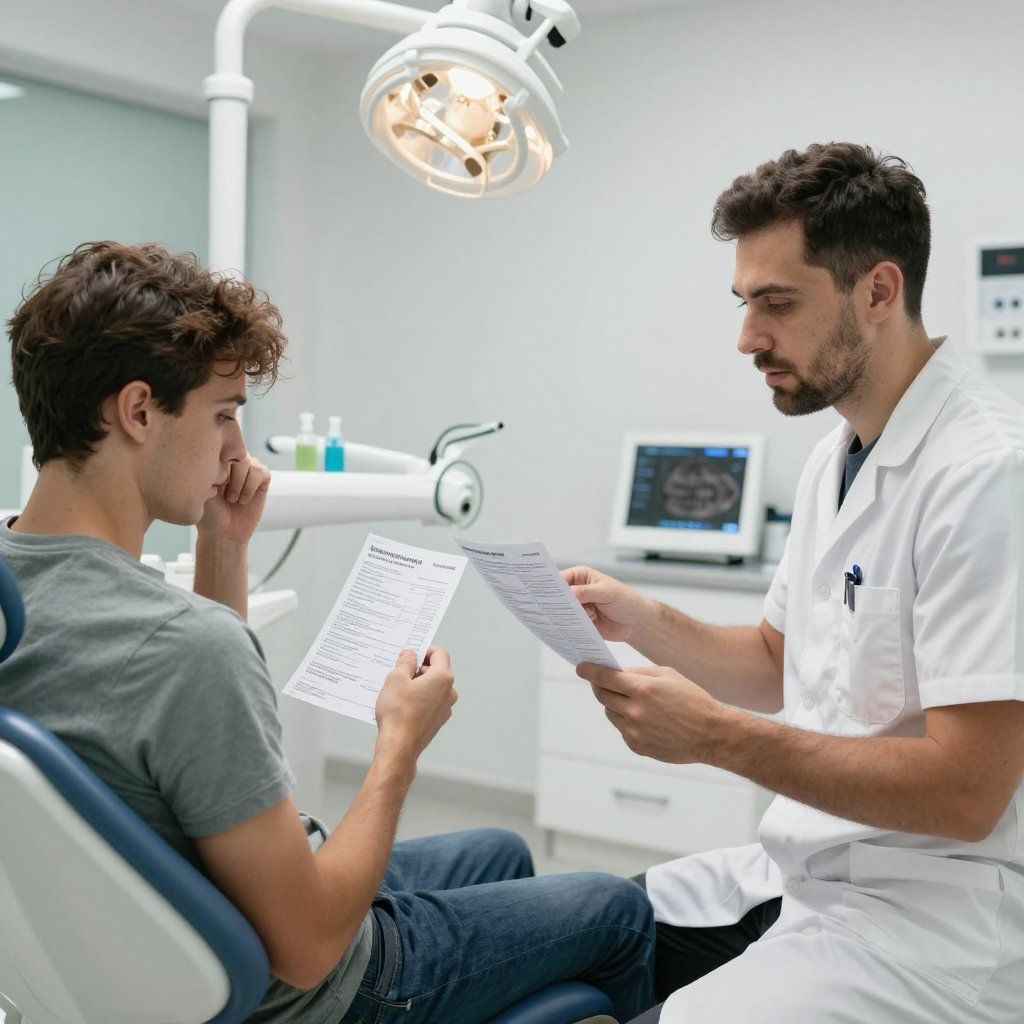
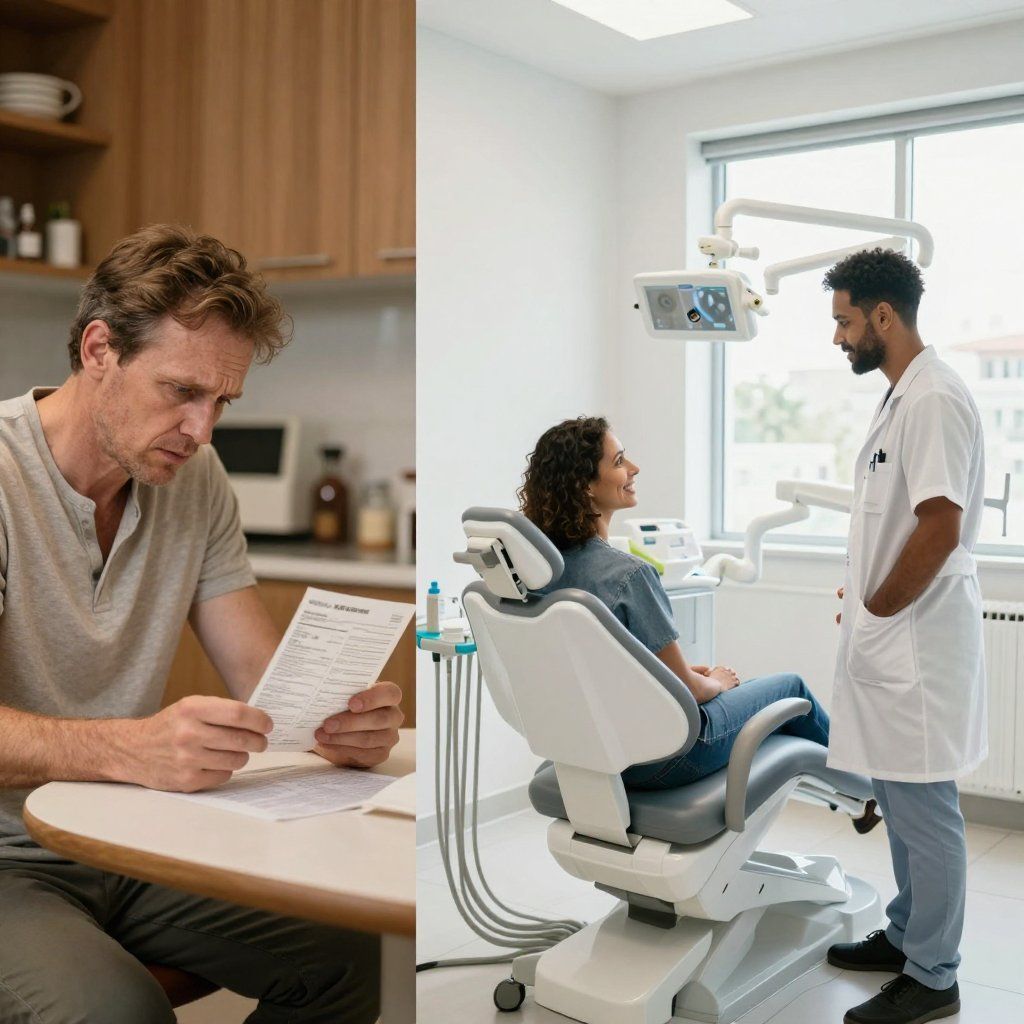
For many households, the biggest shock isn’t the cleaning—it’s the treatment plan. A single crown can cost more than a month of groceries. A few implants can rival the down payment on a car. And when insurance maxes out at numbers that haven’t meaningfully changed in years, patients are left making hard choices: postpone, patch, or pay out of pocket.
That pressure is why dental tourism is no longer a niche idea. For patients who need major restorative care, looking abroad can feel less like “taking a risk” and more like searching for a realistic path forward.
What’s Driving the Rising Cost of Dentistry in the U.S.?
Several factors are converging to push U.S. dental prices higher:
- High overhead and staffing costs: Rent, equipment, lab fees, and wages in many American cities have climbed sharply, and practices pass those costs into treatment fees.
- Technology investments: 3D scanners, CBCT imaging, and CAD/CAM systems improve care but come with significant price tags that must be recouped.
- Insurance limitations: Many dental plans still have annual maximums in the 1,000–2,000 USD range—numbers that haven’t kept pace with modern treatment costs.
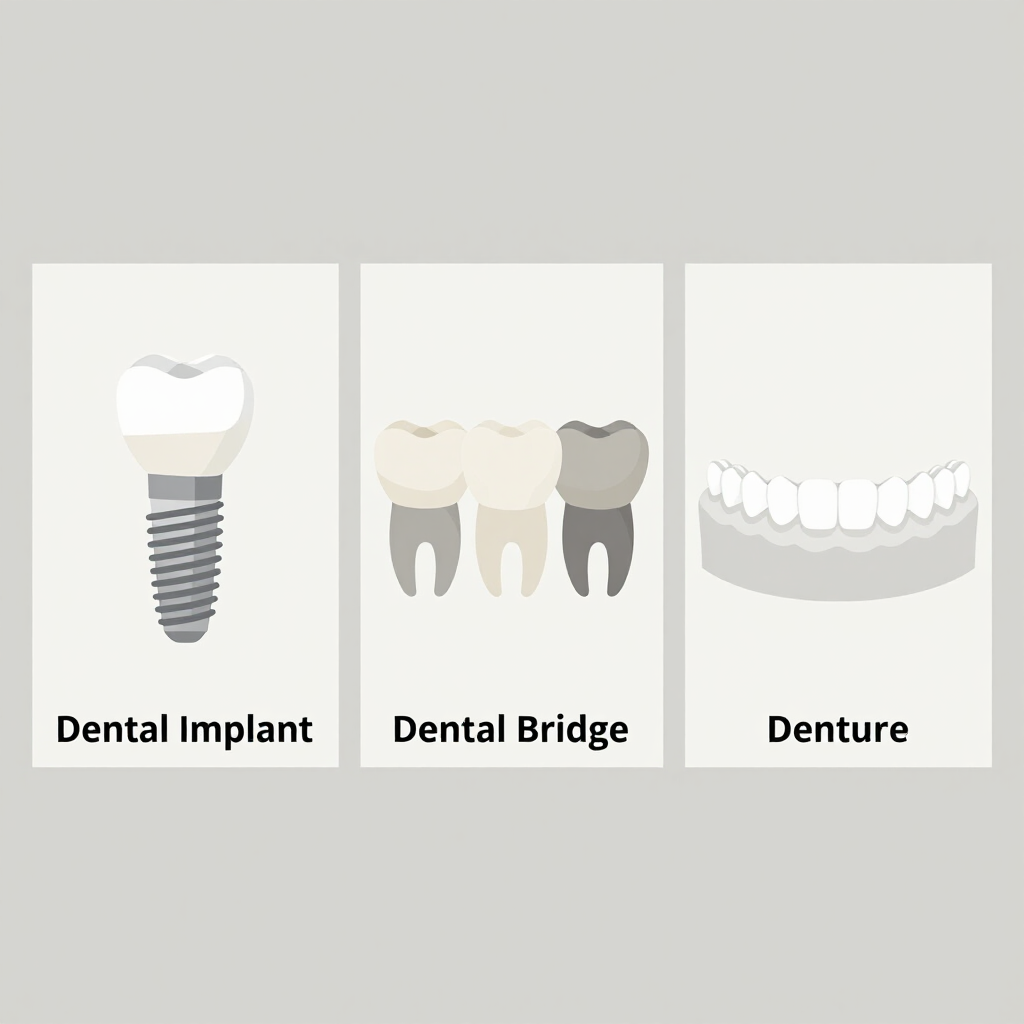
- Aging and more complex cases: As people live longer and keep more teeth, the need for advanced restorative solutions (implants, full-arch cases) has grown, and these are inherently more expensive than simple fillings.
All of this means that when a U.S. patient needs multiple implants, extensive crowns, or a full smile makeover, the quote can easily reach tens of thousands of dollars—far beyond what many households can comfortably afford.

The Consequences: Delayed Care and “Patchwork” Dentistry
When treatment feels financially out of reach, patients understandably start making tough compromises:
- Postponing needed work: People live with broken teeth, missing teeth, or old failing restorations because they can’t pay for the recommended treatment.
- Choosing cheaper short-term fixes: Temporary solutions like partial dentures or repeated fillings are chosen over implants or comprehensive rehab, which can lead to bigger problems over time.
- Skipping preventive care: Even cleanings and checkups get delayed, allowing minor issues to become major, more expensive problems later.
This cycle is a major reason many Americans start Googling “dental tourism” or “dental implants abroad” after leaving a U.S. office with a treatment estimate they simply can’t manage.
Why “Looking Abroad” Is No Longer Fringe
Medical and dental tourism used to sound extreme; today, it’s increasingly mainstream. Reports and industry data show:
- Savings of 40–70% on major procedures are common in destinations like Colombia, Mexico, and Costa Rica, even after adding travel costs.
- Americans are particularly likely to go abroad for implants, full-arch solutions, veneers, and large restorative plans where the U.S. price tag is highest.
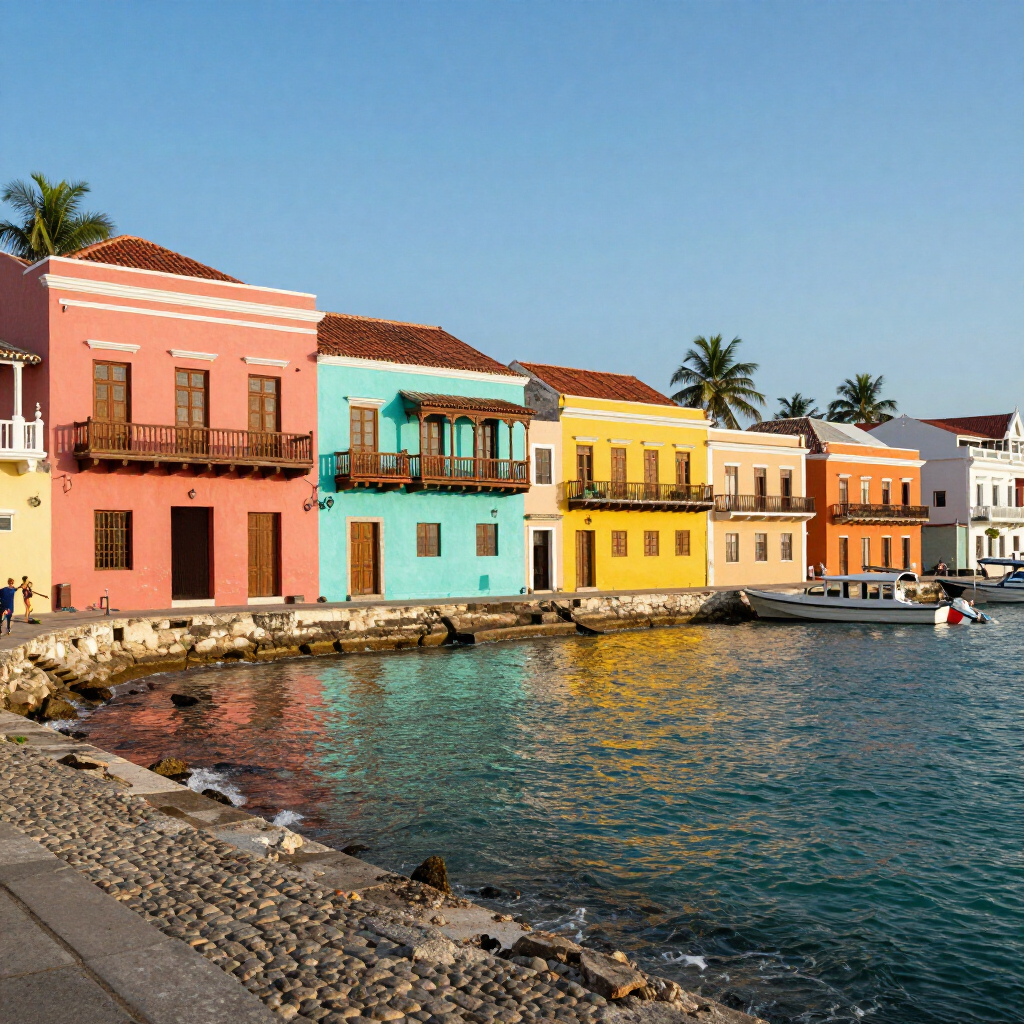
- Cities with strong tourism infrastructure and modern private clinics—such as Cartagena—are seeing steady growth in U.S. and Canadian dental visitors.
For many patients, choosing a reputable clinic abroad feels less risky than taking on heavy debt or continuing to live with compromised oral health.
How the Math Works: U.S. vs. Abroad
Consider typical 2025–2026 ranges:
- Single dental implant (with crown): U.S.: often 3,000–5,000 USD per tooth. Colombia: often around 900–1,800 USD per tooth with crown, depending on the clinic and materials.
- Full-arch implant restoration: U.S.: commonly 20,000–35,000 USD per arch. Colombia: often 7,000–15,000 USD per arch, with modern implant systems and lab support.
- Porcelain veneers: U.S.: often 1,000–2,500 USD per tooth. Colombia: roughly 300–500 USD per tooth in many reputable clinics.
A U.S. patient needing, for example, ten veneers and several implants might see a local estimate that easily exceeds 40,000 USD. The same plan in a well-equipped Cartagena clinic may come in closer to 12,000–18,000 USD, with another few thousand for flights and hotels—still leaving substantial savings.

Why Cartagena and Similar Cities Appeal Specifically
Among the global options, cities like Cartagena stand out because they blend:
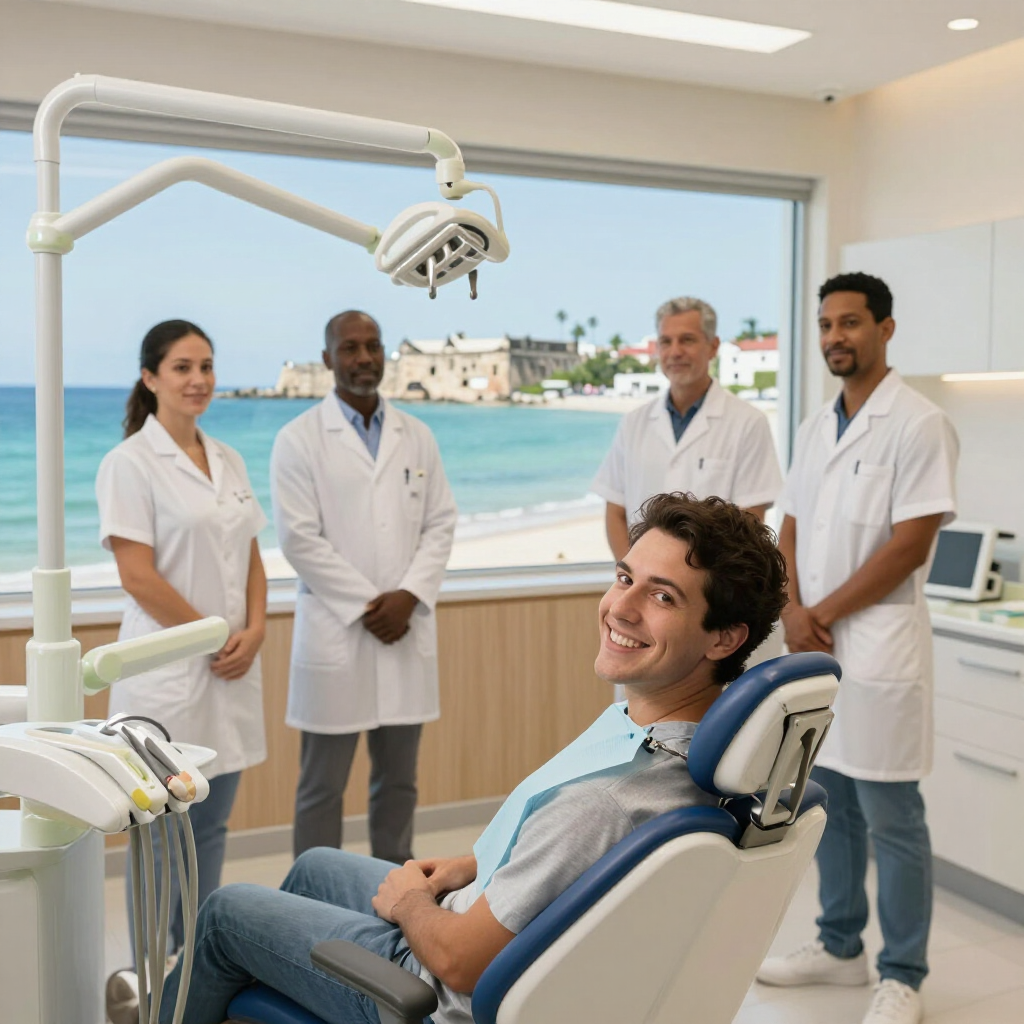
- Modern private clinics that actively compete for international patients with updated technology and materials.
- English-speaking teams accustomed to working with U.S. and Canadian visitors, making communication about complex plans easier.
- Tourist-friendly environments, where patients can recover in comfortable hotels and walkable areas rather than purely clinical, industrial zones.
For many Americans, that combination feels more “worth the trip” than a closer but less appealing location, especially when they’ll be staying several days or coming back for a second phase.
The Emotional Side: From Sticker Shock to Hope
The rising cost of dentistry at home often leaves patients feeling embarrassed, stuck, or resigned to living with dental problems. Exploring options abroad can change the conversation:
- A treatment plan that felt impossible in the U.S. can become financially attainable when re-quoted by a qualified clinic abroad.
- Patients report feeling relief when they see a path forward that doesn’t involve draining retirement accounts or taking on large amounts of high-interest debt.
- Knowing they can combine treatment with a break in a beautiful city like Cartagena can make the process feel more like a proactive choice than a crisis.
This shift—from “I can’t afford to fix my teeth” to “I can plan a trip and get this done”—is one of the biggest reasons more Americans are willing to look beyond their own borders.
What Patients Should Still Be Careful About
The trend toward looking abroad is understandable—but “cheaper” should not be the only filter. Before committing, patients should:
- Research clinics carefully: Check training, technology, materials, and independent reviews from U.S. patients.
- Avoid purely price-driven decisions: Extremely low quotes that promise full, complex treatment in very short time frames can be a red flag.
- Ask about timelines and healing: Especially for implants, confirm whether your case requires one or two trips based on medical best practices, not just convenience.
- Plan follow-up: Understand how the clinic supports you once you return home and how to involve your local dentist in ongoing maintenance.
When approached thoughtfully, dental tourism can be a strategic response to rising costs—not a gamble.
How a Cartagena Specialist Like Dr. Julio Oliver Fits Into This Trend
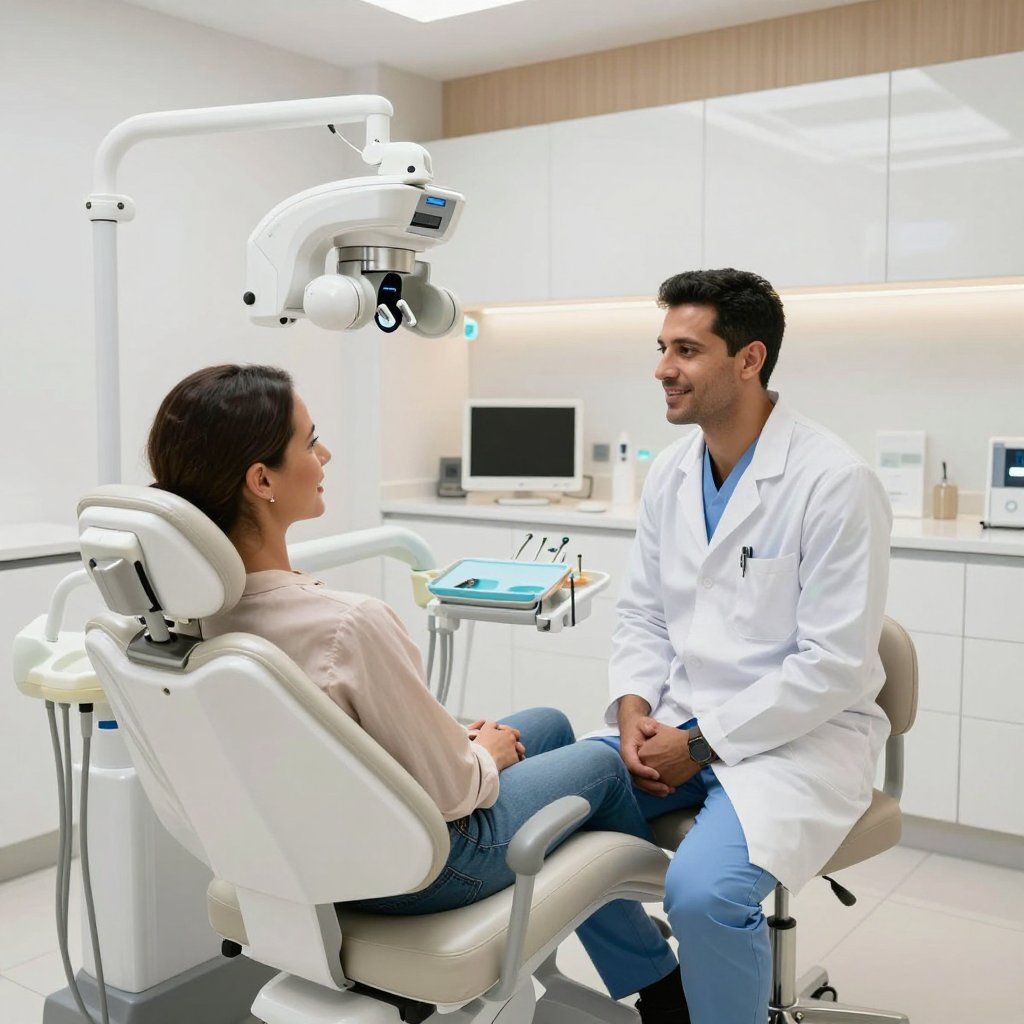
Clinics in Cartagena that focus on U.S. and Canadian patients—like Dr. Julio Oliver’s practice—are essentially built around this new reality:
- They know patients are coming with U.S. treatment estimates and real financial pressure.
- They provide structured virtual pre-evaluations, written plans, and clear cost breakdowns so patients can compare options honestly before traveling.
- They emphasize safe timelines and long-term planning, making sure the search for affordability doesn’t compromise outcomes.
For many Americans, working with a dentist like Dr. Julio offers a middle path: they don’t have to accept unaffordable quotes or low-quality quick fixes—they can choose high-standard care in a different location that better fits their budget.
Conclusion
Rising U.S. dental costs are pushing more Americans to ask a practical question: “Is there a high-quality option I can actually afford?” For a growing number of patients, the answer includes looking beyond U.S. borders—especially for major restorative cases where the savings are most meaningful.

With careful research, realistic timelines, and a plan for follow-up, dental tourism can be a thoughtful response to a real affordability problem—not a shortcut. The goal is the same everywhere: safe, durable results and a smile you can maintain for years.