Why Proper Healing Time Matters for Dental Implants—Even When You’re Traveling
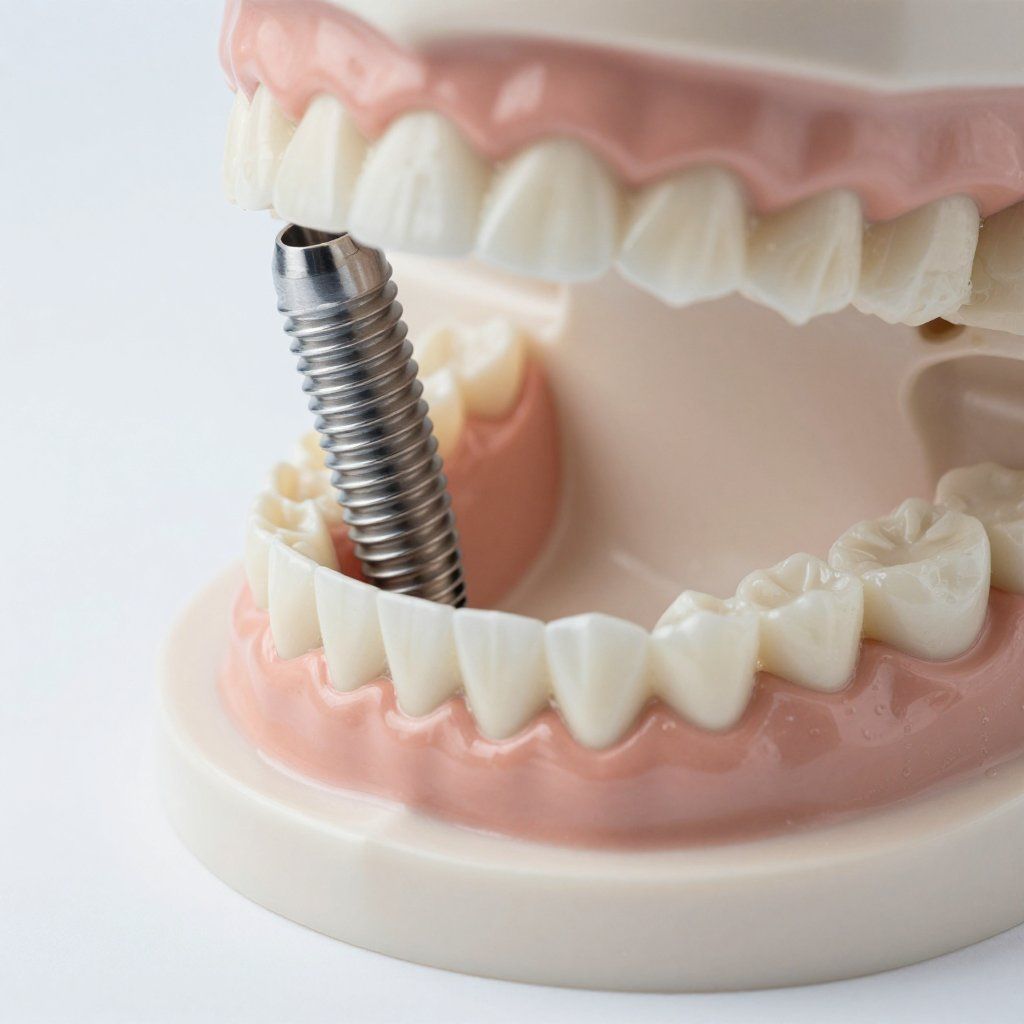
When you get a dental implant, the titanium post is only part of the story. The real magic—and the real stability—comes from osseointegration, the months-long process where your bone fuses to the implant surface. If that healing period is rushed or overloaded with pressure too soon, you increase the risk of loosening, bone loss, or complete implant failure—no matter where in the world you have the surgery done. For dental tourism patients traveling to Cartagena, understanding healing time is the key to choosing safe treatment over fast promises.
Why Healing Time Is Just as Important as the Implant Itself
Implants succeed when biology is respected. Even with excellent technique and top-quality materials, the body still needs time to build a stable bond between bone and titanium. That bond is what lets an implant function like a true tooth root—capable of supporting chewing forces for years. When timelines are compressed to fit a short trip, the risk isn’t just discomfort; it’s long-term failure and costly re-treatment.
What Actually Happens During Implant Healing?
After an implant is placed, your body starts a biological process to stabilize it:
- Initial healing (first 1–2 weeks): Soft tissues close around the implant site, and early bone healing begins. Swelling and tenderness gradually decrease.
- Osseointegration (roughly 3–6 months): Bone cells attach to the implant surface, turning it into a solid foundation for future crowns or bridges.
- Functional loading: Only after sufficient integration should the implant be fully loaded with biting forces from a permanent restoration.
Good technique, quality materials, and your own health all matter—but time is the ingredient you simply can’t shortcut.
Typical Timelines: One Trip vs. Two
Every case is unique, but reputable implant clinics in Colombia and other dental tourism hubs consistently reference similar timelines. The key difference is whether your plan respects the healing window between surgery and final loading.
Standard Two‑Stage Approach (Very Common for Travelers)
Trip 1 (Surgery Phase):
- Extractions (if needed), implant placement, and any necessary bone grafts or sinus lifts.
- You stay in Cartagena about 5–7 days for surgery and follow-up checks.
Healing at Home:
- Roughly 3–6 months of osseointegration back in the U.S. or Canada, with soft diets and good hygiene as directed.
Trip 2 (Restorative Phase):
- Impressions/scans, abutments, and final crowns or bridges on the now-stable implants.
- Usually 5–10 days to complete all fittings and adjustments.
“Immediate Load” Cases (Carefully Selected)
Some patients with excellent bone quality and favorable bite conditions can receive temporary teeth shortly after implant placement, but keep these points in mind:
- These are often provisional restorations, not final ones.
- Even when “teeth in a day” is used, long-term success still depends on adequate healing time and careful force control.
Any clinic promising permanent, fully loaded implants immediately for every patient—especially in complex or full-arch cases—should be approached with caution.

Why Rushing Is Risky—Especially for International Patients
When treatment is planned around a short vacation instead of biology, it creates real dangers:
- Overloading too early: Chewing hard on a fresh implant before bone has integrated can cause micromovements that prevent proper fusion, raising failure risks.
- Insufficient time for grafts to mature: Bone grafts and sinus lifts need months to stabilize before they can safely support implants or heavy bite forces.
- Hidden problems after you fly home: An implant that feels “fine” at 2 weeks can still fail at 3–6 months if healing was compromised or loading was premature.
This is why ethical implant dentists in Cartagena and other destinations often refuse to compress safe protocols just to fit a single short trip. Protecting long-term health matters more than short-term convenience.
How Proper Healing Actually Protects Your Investment
Dental implants are a major investment in both time and money. Allowing proper healing:
- Improves long-term success rates, which are typically around 95–98% when best practices are followed.
- Reduces the chance of costly re-treatment, additional surgeries, or having to redo crowns and bridges later.
- Helps your final restorations last longer because they’re built on a stable foundation.
In practical terms, taking an extra trip and waiting a few extra months can be far cheaper than dealing with a failed implant system down the road.
Planning a Dental Tourism Trip Around Healing—Not Against It
You can still absolutely travel for implants—you just need a plan that respects healing time. Here’s how patients typically work with a dentist like Dr. Julio Oliver in Cartagena:
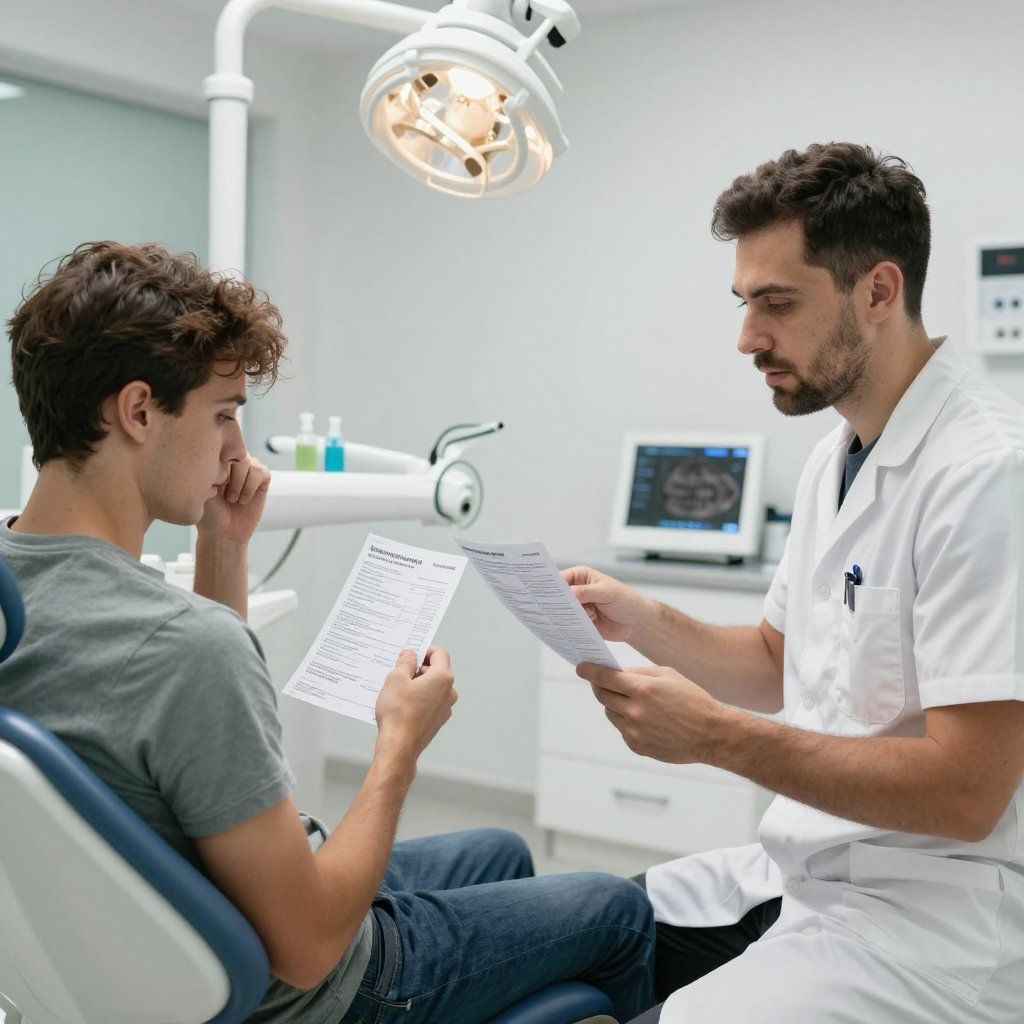
- Virtual evaluation before travel: Photos, X-rays/CT scans, and health history are reviewed to outline a realistic, staged plan.
- Trip 1: Implants (and grafts if needed) placed with appropriate post-op checks. You leave with clear written instructions, temporary solutions if needed, and a timeline for the next phase.
- Healing at home: Soft diet guidance, hygiene recommendations, and checkups with a local dentist if advised. Remote contact with the Cartagena clinic if questions arise.
- Trip 2: Impressions, try-ins, final crowns/bridges, bite adjustments, and a maintenance plan.
What You Can Do During Healing to Support Success
Your actions between trips matter just as much as what happens in the clinic:
- Follow diet guidelines: Stick to softer foods on implant sites while your dentist recommends, avoiding very hard, sticky, or crunchy items.
- Keep the area clean: Brush gently, floss as recommended, and sometimes use special brushes or rinses designed for implants.
- Don’t smoke if possible: Smoking is a well-documented risk factor for implant failure because it affects blood flow and healing.
- Wear a night guard if prescribed: This protects implants and natural teeth from grinding forces during healing and beyond.

Red Flags to Watch For When Clinics Talk About Timelines
As you research implant options abroad, be cautious if you hear:
- “We can do full-mouth implants in one short visit for everyone.”
- “You won’t need a second trip—ever.”
- “We can rush everything to fit your vacation week, no problem.”
By contrast, green flags include:
- Clear explanation that some cases require two stages with a healing gap.
- Willingness to say “no” to unsafe shortcuts, even if it means fewer immediate bookings.
- Detailed written timelines separating surgery and final loading phases.
A dentist like Dr. Julio Oliver protects patients by being honest when biology requires more time—even if that means recommending two trips instead of one.
Call to Action
If you’re considering dental implants in Cartagena, don’t let anyone rush you into unsafe timelines just to fit a vacation week.
Dr. Julio Oliver designs implant plans around proper healing time, not shortcuts—especially for U.S. and Canadian patients traveling from abroad.
Start with a free virtual implant evaluation: Share your X-rays, photos, and goals, and receive an honest recommendation about whether your case can be done in one trip or requires a safe, staged approach. That way, you can plan your travel—and your new smile—with confidence.