Year-One With Your New Smile: How to Maintain Veneers and Implants After Returning Home
The first 12 months after getting veneers or dental implants are crucial for making your results last. This is when your gums adapt, your bite settles, and new daily habits either protect or slowly damage your restorations. For patients who completed treatment in Cartagena and are now back in the U.S., a clear plan for home care, checkups, and lifestyle choices is the key to protecting both your smile and the investment you made to get it.

The First Year With Your New Smile: Why It Matters
The first year is a “settling in” period for your entire mouth. Gums mature around new restorations, bite forces distribute differently, and your daily routine becomes the long-term pattern that either supports healthy tissue—or slowly allows inflammation to develop. If you had implants placed, this period is especially important because healthy gums and consistent plaque control help protect the bone around the implant.
If your care was completed in Cartagena and you’re now home in the U.S., the goal is simple: keep everything clean, protect the restorations from excessive force, and coordinate the right checkups so small issues never become expensive problems.
Daily Care at Home: Veneers and Implants Together
Brushing and Flossing Basics
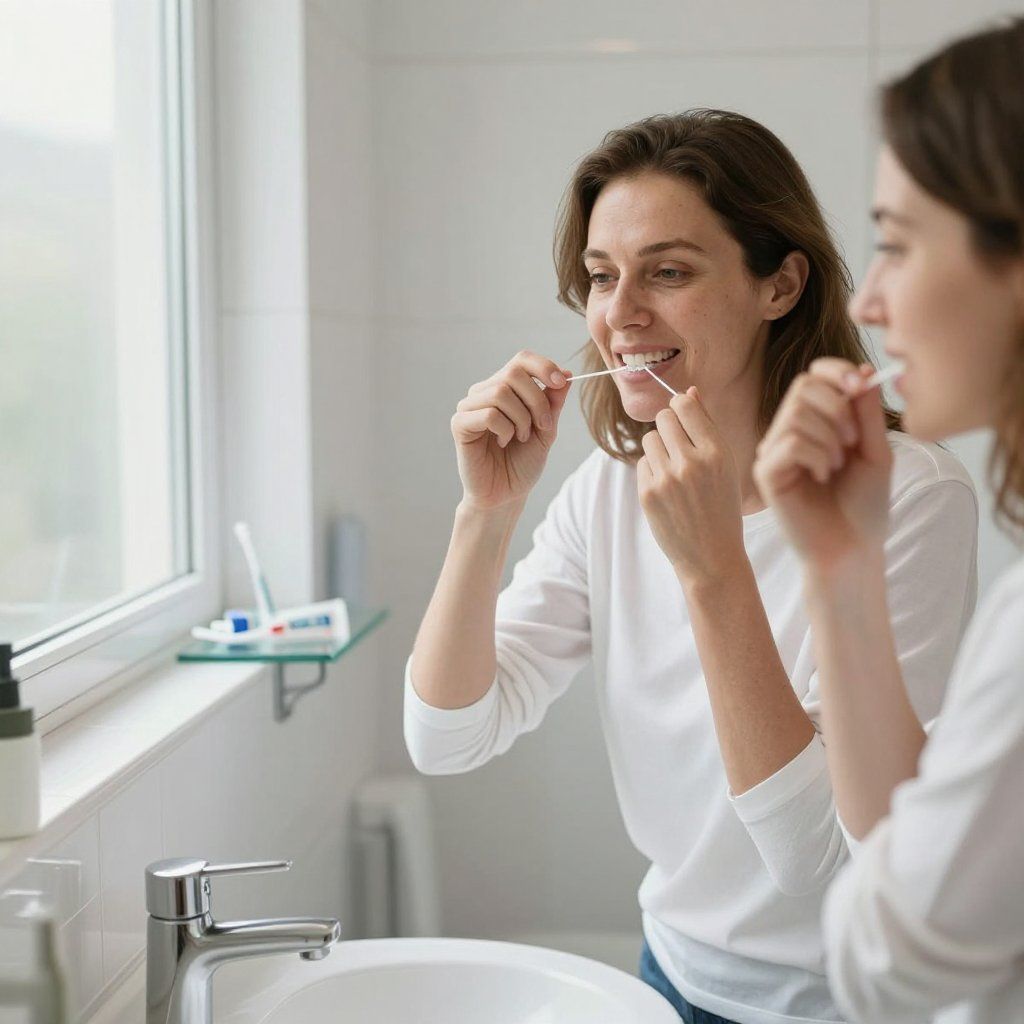
Even though veneers and implant crowns don’t decay like natural enamel, the surrounding gums and supporting bone absolutely can be damaged if plaque is allowed to build up. Good daily care should include:
- Brushing twice a day with a soft-bristle brush and non-abrasive fluoride toothpaste.
- Flossing once a day around every veneer and implant crown, using floss threaders or interdental brushes where contacts are tight.
- Paying extra attention to the gumline, where inflammation often starts.
For implants in particular, cleaning around the neck of the implant crown is essential to reduce the risk of peri-implantitis (inflammation and bone loss around implants).
Mouthwash and Extras
Choose an alcohol-free mouthwash to avoid drying the tissues and potentially affecting bonding over time.
Consider a water flosser as a supplement—especially helpful around implant bridges and full-arch solutions—but use it gently and under your dentist’s guidance.
Managing Bite and Habits: Protecting Your Restorations
Night Guards and Grinding
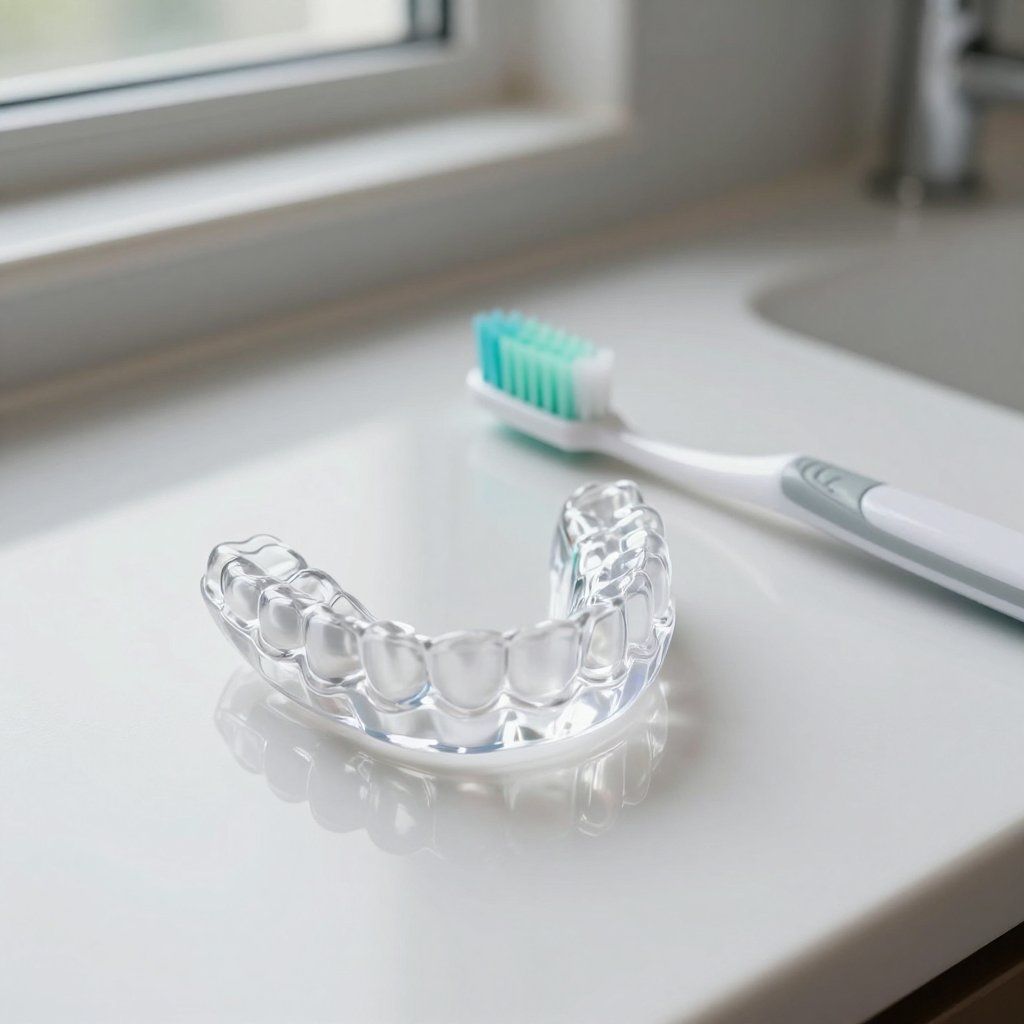
If you grind or clench your teeth (bruxism), a custom night guard is one of the best long-term protections for veneers and implants. Excessive force can:
- Chip or fracture porcelain veneers and crowns.
- Put strain on implant components, potentially loosening screws or affecting bone over time.
Ask your U.S. dentist—or the clinic in Cartagena before you leave—for a night guard tailored to your new bite. Do you ever wake up with tight jaw muscles or a dull morning headache? Those can be clues you’re clenching at night.
Habits to Avoid
To keep your restorations intact:
- Don’t use your teeth to open packages, bottles, or hold objects.
- Avoid chewing ice, pens, and very hard candies.
- Cut very hard foods (like whole apples or crusty bread) into smaller pieces instead of biting with your front veneers.
These small adjustments greatly reduce the risk of chips and cracks over the years.
Food, Drinks, and Stain Management
Porcelain veneers and high-quality crowns are more stain-resistant than natural enamel, but not stain-proof. Over the first year—and beyond—it helps to:
- Limit frequent, heavy exposure to dark drinks like coffee, red wine, and cola.
- Rinse with water after stain-causing foods or use a straw for darker beverages when possible.
- Avoid smoking or vaping, which can discolor margins and irritate gums around veneers and implants.
Routine cleanings with your local dentist will also help polish away surface stains and keep everything looking uniform.
Checkups: Coordinating Cartagena and Local Care
Right After You Return Home
Once you’re back in the U.S., it’s wise to:
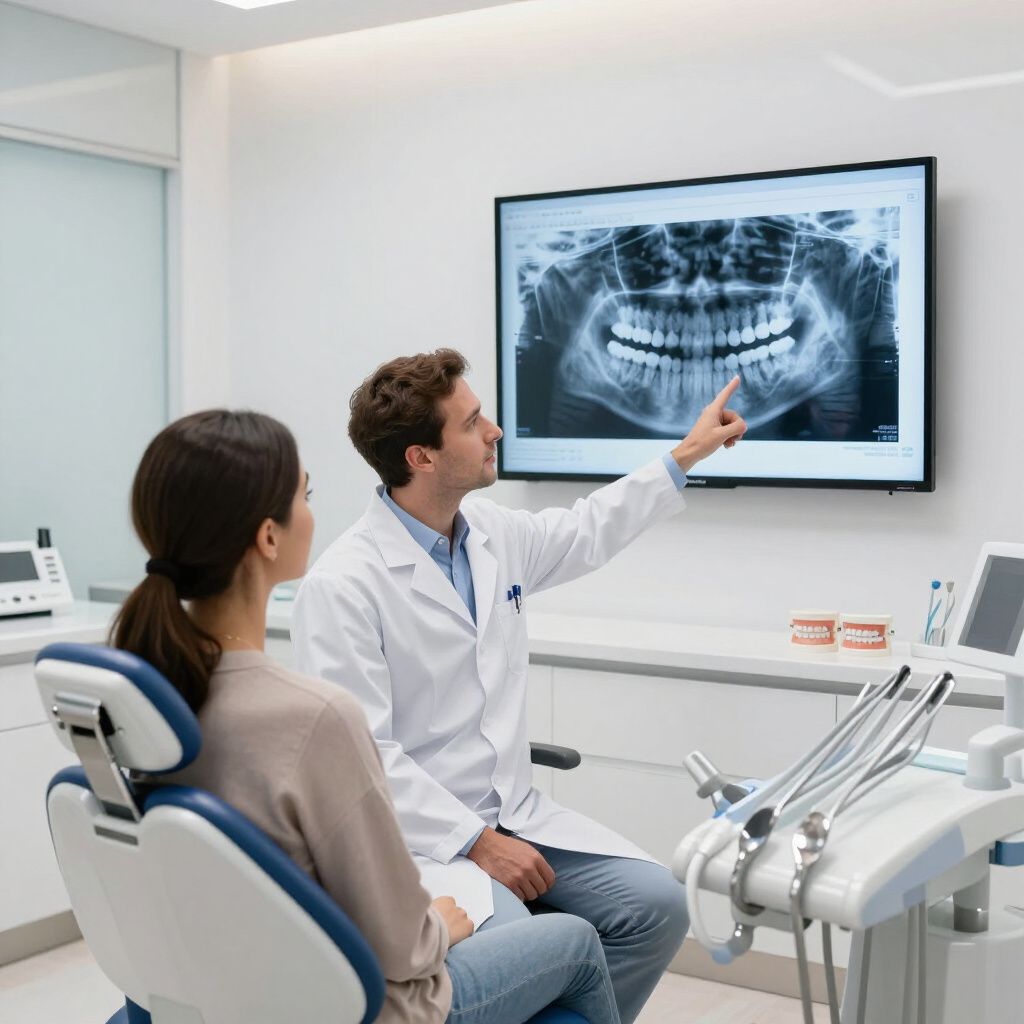
- Schedule a checkup with a trusted local dentist within a few months, especially if you’ve had implant surgery or extensive restorative work.
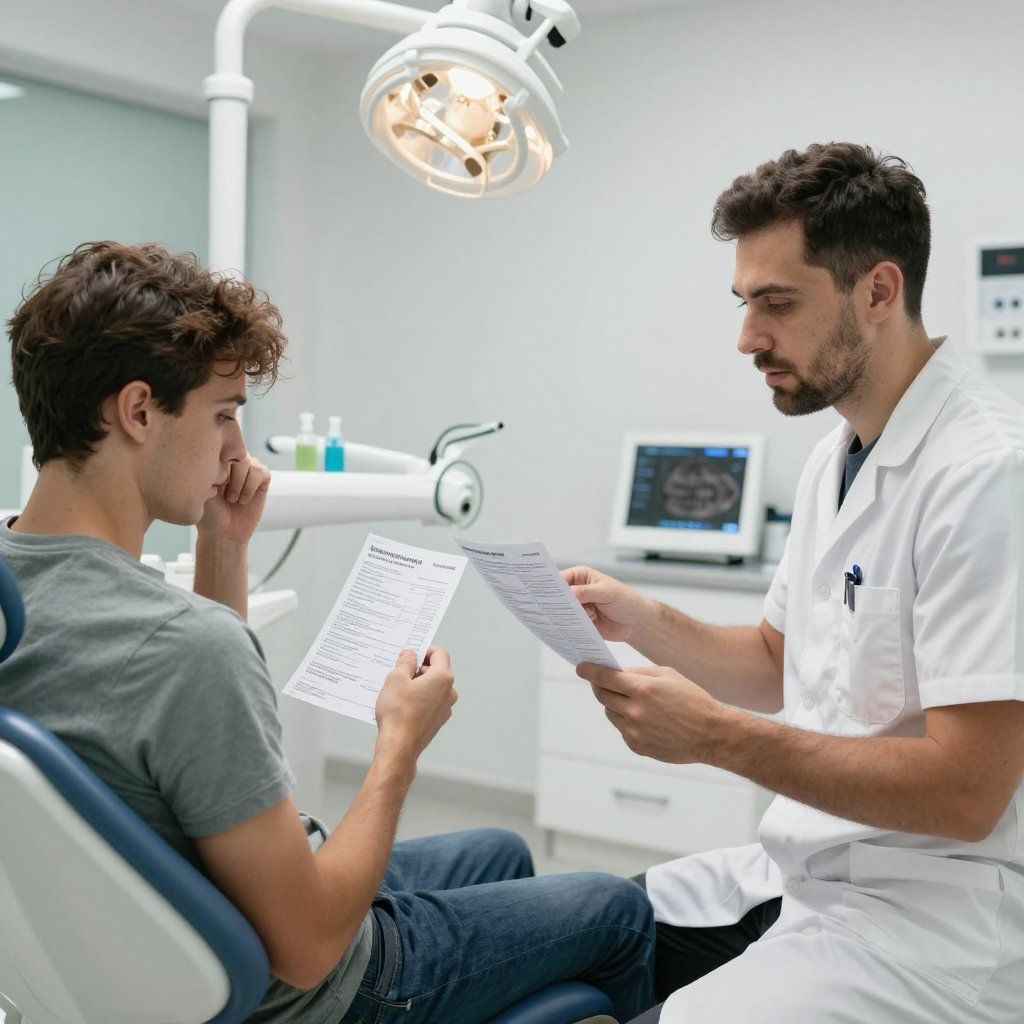
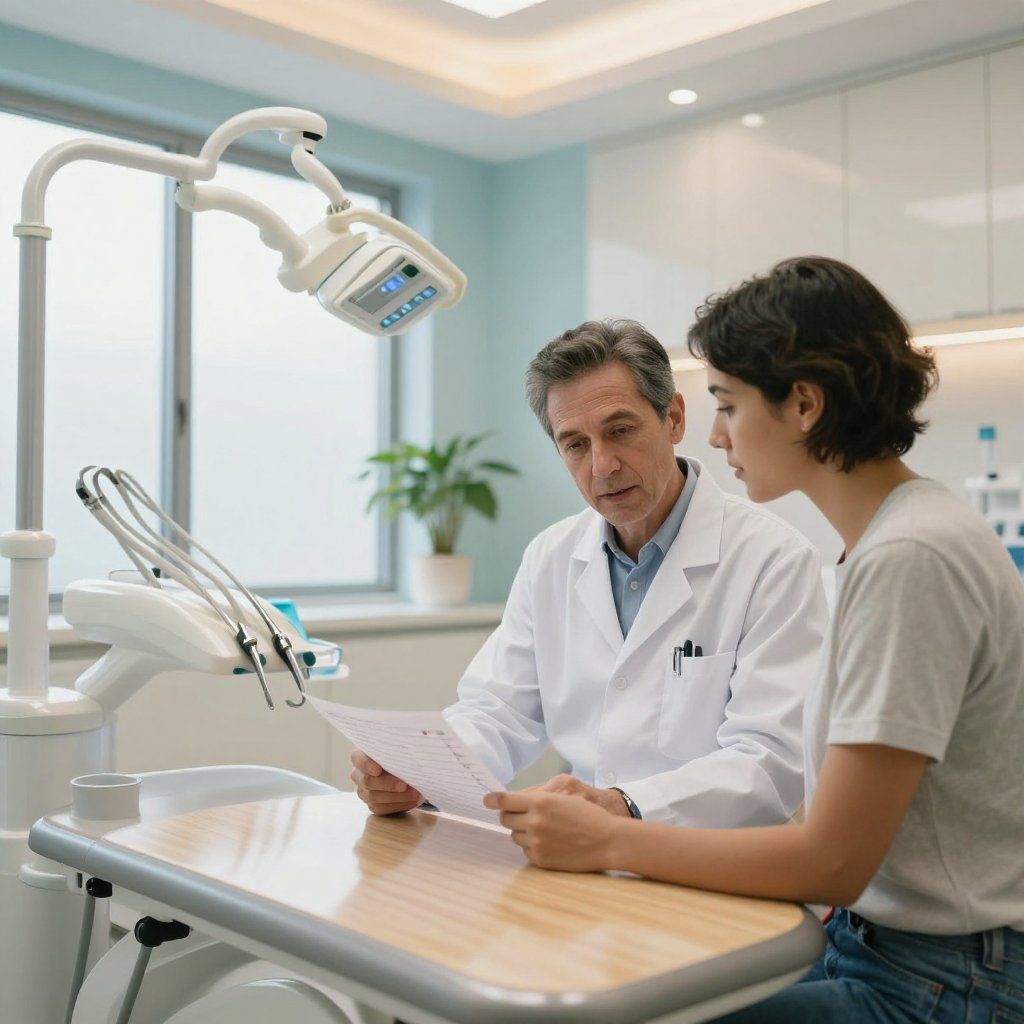
- Bring any records, X-rays, and treatment summaries provided by your Cartagena clinic so your local dentist understands exactly what was done.
A dentist like Dr. Julio Oliver typically provides documentation and is available for remote questions, making it easier for your local provider to support long-term maintenance.
Ongoing Schedule in Year One
Most patients do well with:
- Two professional cleanings in the first year (every 6 months).
- A bite check at least once during that time, to make sure veneers and implant crowns are not taking excessive force on certain spots.
If you had implants placed, your Cartagena clinic may also request updated X-rays or photos at certain intervals to monitor bone stability remotely.
What’s Normal—and What’s Not—in the First Year
Normal Adaptation Signs
In the first months, it’s normal to notice:
- Slight changes in how your teeth feel when you chew, as your bite and muscles adapt.
- Mild, occasional sensitivity in certain teeth, especially if veneers were placed on previously worn or exposed surfaces.
These sensations usually improve as your mouth “learns” the new shapes and contacts.
Signs You Should Call a Dentist
Reach out to your Cartagena clinic and/or local dentist if you notice:
- A veneer or crown suddenly feels loose, rough, or catches your tongue.
- Persistent, localized pain around an implant or veneered tooth that doesn’t improve.
- Swelling, bleeding, or bad taste around an implant, especially if it persists beyond routine brushing.
- Any chips or fractures in the porcelain.
The sooner these changes are checked, the easier and less costly they usually are to fix. If something feels “off,” ask yourself: did it start suddenly (like after biting something hard), or has it been gradually getting worse? Either way, don’t wait too long to get it evaluated.
Working With Two Dentists: Cartagena + Your U.S. Provider
For many dental tourism patients, the “best of both worlds” approach is:
- Use a specialist in Cartagena (like Dr. Julio) for comprehensive planning, implants, and complex cosmetic work at a more affordable cost.
- Partner with a local dentist in the U.S. for routine cleanings, small adjustments, and long-term monitoring.
To make this work smoothly:
- Keep all your treatment documents and share them with your local dentist.
- Let both offices know you are working with another provider so they can coordinate if needed.
- Use email or secure messaging to send photos or updates to your Cartagena dentist if anything changes.
This team approach helps ensure your new smile stays functional, healthy, and attractive well beyond the first year.
Conclusion
The first year after veneers and implants is all about protecting healthy gums, controlling plaque, and preventing excessive force—while staying consistent with checkups. If you build strong daily habits now, you’ll give your restorations the best chance to look great and function comfortably for many years.
If you have questions, schedule a cleaning and bite check with your local dentist—and keep your Cartagena clinic in the loop if anything feels different. Long-term results come from small routines done consistently.