Cartagena vs. Other Dental Tourism Cities: Why More Patients Are Choosing the Colombian Coast
In recent years, Cartagena has emerged as one of Colombia’s most attractive cities for dental tourism, alongside better-known hubs in Mexico, Costa Rica, and other Latin American destinations. U.S. and Canadian patients are flying in not just for the savings, but for the combination of modern clinics, English-speaking teams, and a vacation-worthy setting on the Caribbean coast. As dental care costs continue to rise in the United States, more patients are comparing their options abroad—and Cartagena is showing up on the short list more often.
Why Cartagena Is on the Dental Tourism Map
Cartagena blends two things that dental travelers care about most: predictable access to high-quality private care and a comfortable environment for recovery. For many patients, it’s not enough to find a low price—what matters is getting solid clinical standards, clear communication, and a trip experience that feels safe and manageable from airport arrival to your final checkup.
Cost: Cartagena vs. Other Popular Dental Tourism Cities
Many dental tourism cities offer lower prices than the U.S., but Cartagena competes strongly on value for the quality provided. Across Latin America, major treatments can be 40–70% cheaper than in the U.S., especially for implants, full-arch work, and veneers.
In Colombia, typical ranges for treatments like dental implants and veneers are similar to or slightly lower than comparable clinics in some Mexican and Costa Rican cities, while maintaining high standards in select, tourism-focused practices.
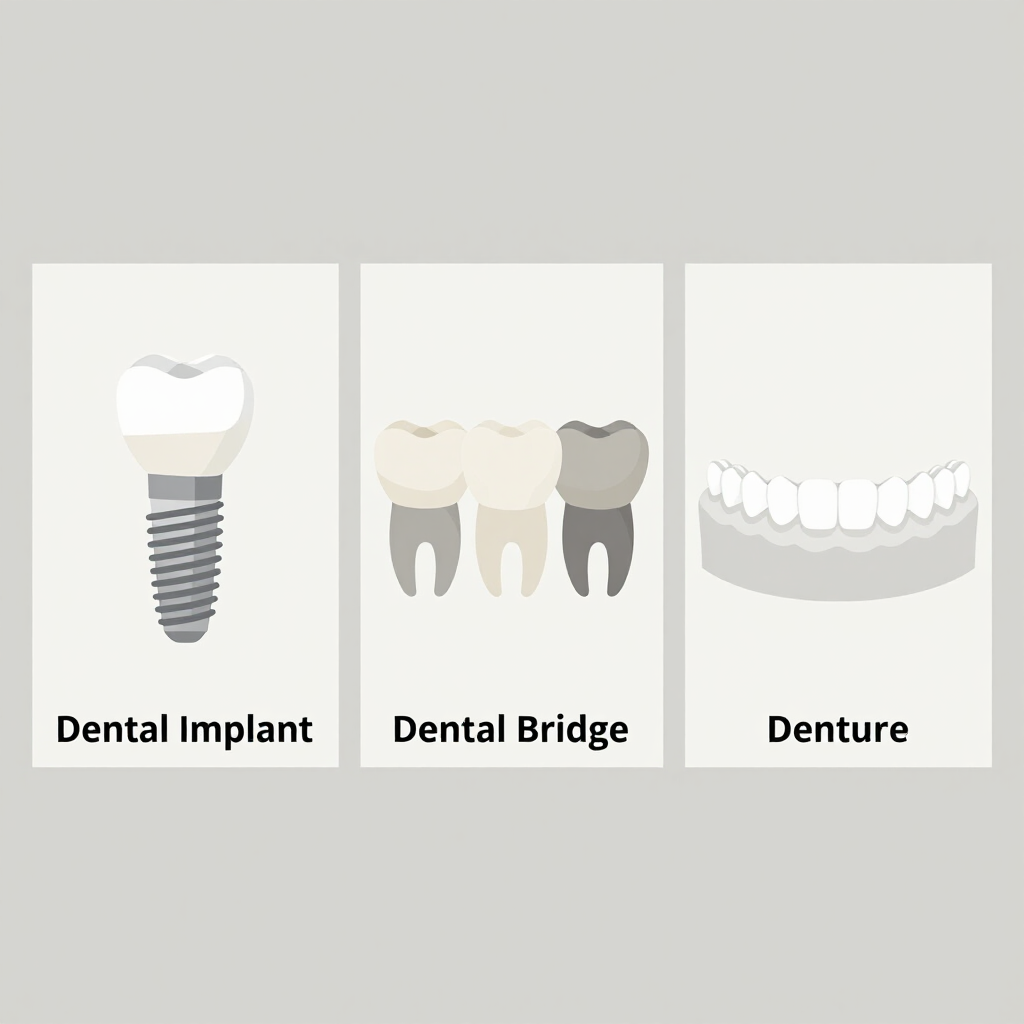
- Single dental implant (with crown): Colombia often 900–1,800 USD vs. U.S. often 3,000–5,000 USD.
- Porcelain veneers (per tooth): Colombia commonly ~300–500 USD vs. U.S. often 1,000–2,500 USD.
What sets Cartagena apart is that patients can access these savings in a city specifically built around international visitors, with a dense cluster of private clinics catering to foreign patients in central, easily accessible areas.
Quality and Safety: How Cartagena Compares
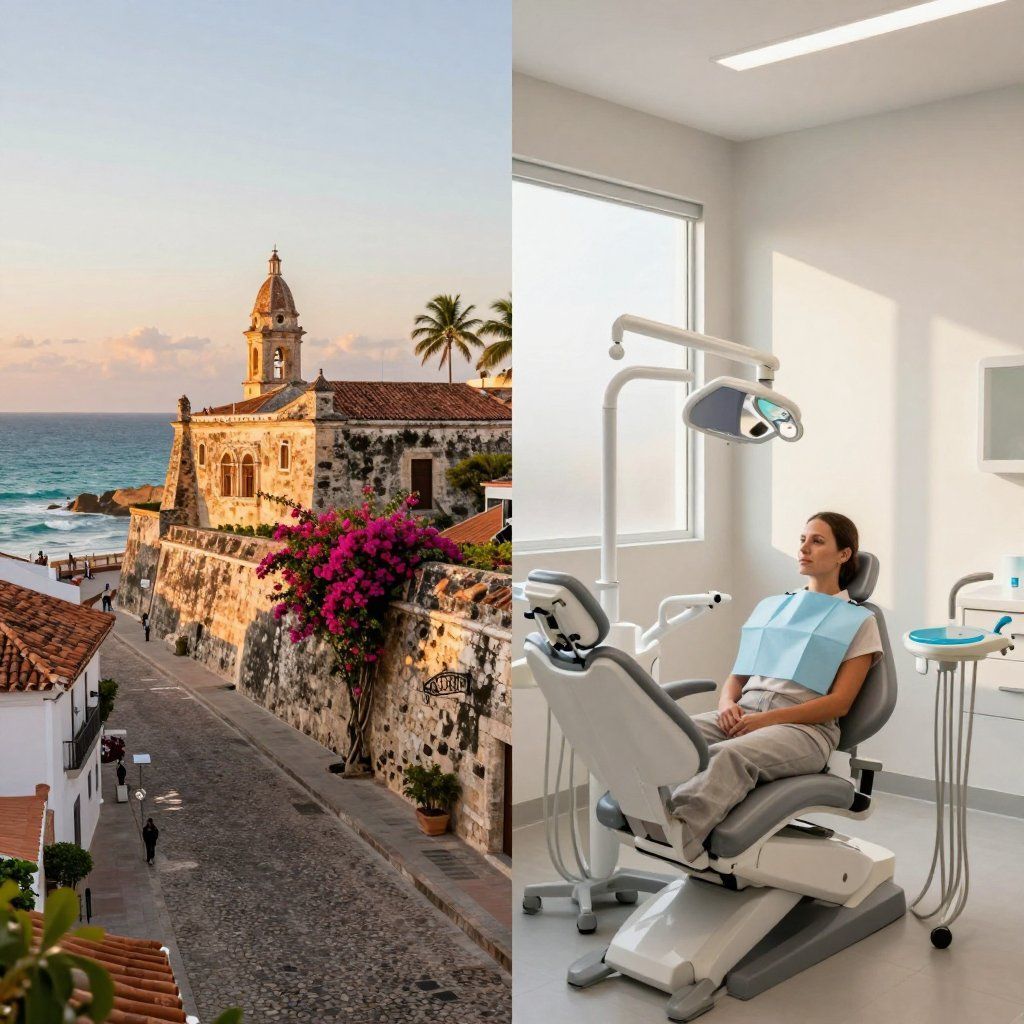
When U.S. patients compare cities, quality and safety are often more important than squeezing out the lowest possible price. Cartagena and Colombia overall have invested heavily in private healthcare and dental infrastructure, especially in tourism hubs.
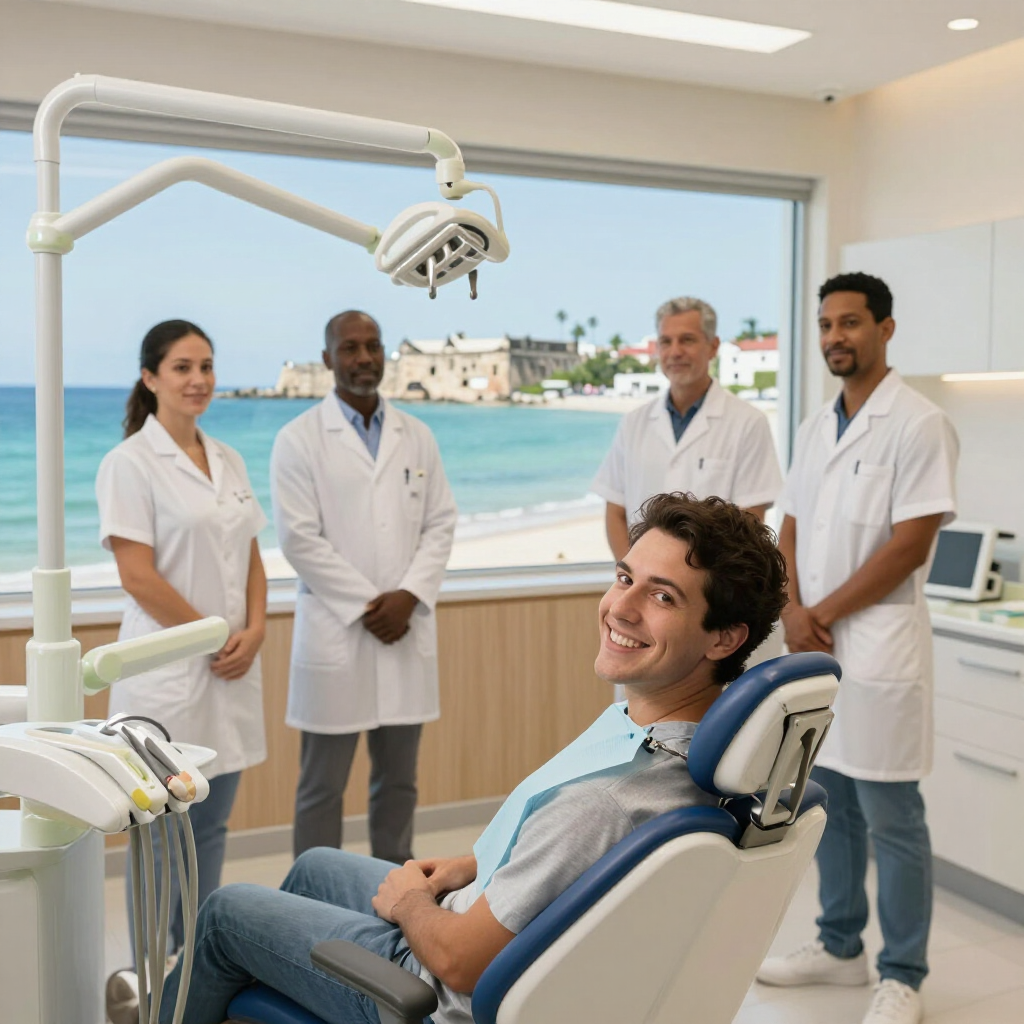
In top practices, patients can expect international implant brands, digital imaging, and modern sterilization protocols designed to meet expectations of U.S. and European patients. Many dentists also have postgraduate training and international memberships, and they build their workflows around dental tourism cases.
Other common dental tourism cities—such as parts of Mexico or Central America—also include many excellent clinics. The difference is that quality can vary widely city-to-city and even block-to-block, making careful research essential no matter where you go.
Travel Experience: Why the Colombian Coast Appeals to Patients
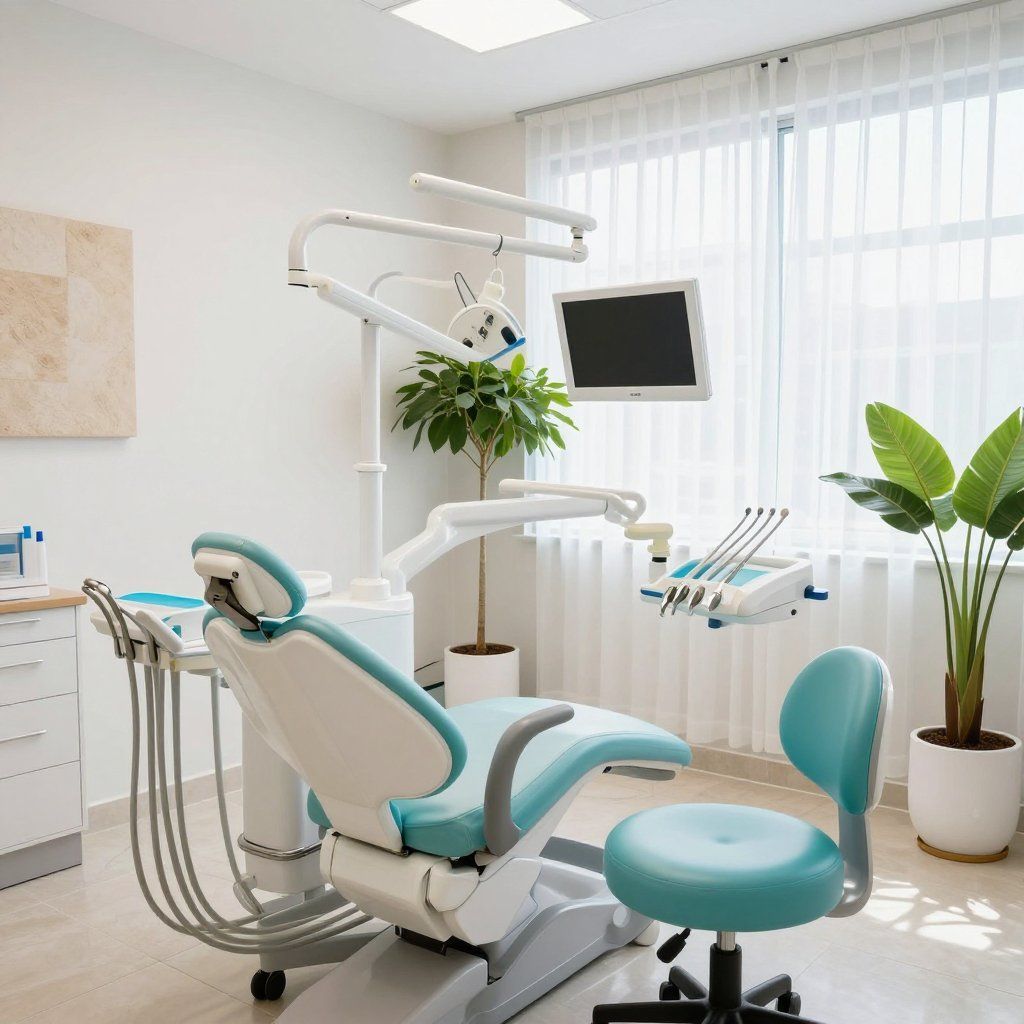
Beyond the clinic, patients think about the whole trip—airport access, perceived safety, things to do on rest days, and how comfortable recovery will feel. Cartagena’s tourism infrastructure is a big part of its appeal.
- Direct and frequent connections from several major U.S. cities to Cartagena (or via Bogotá) make travel relatively straightforward.
- Hotels, short-term rentals, and transport options are built for international visitors, with many English-friendly services.
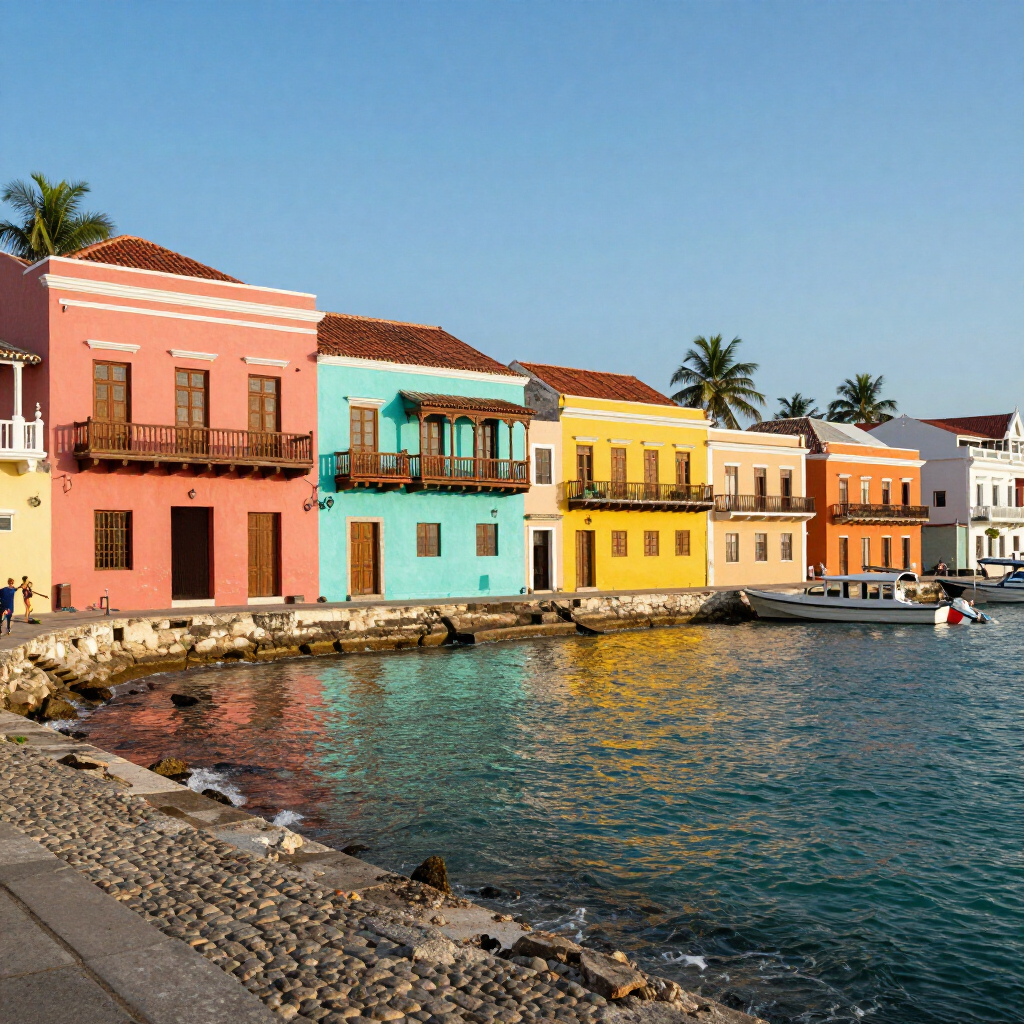
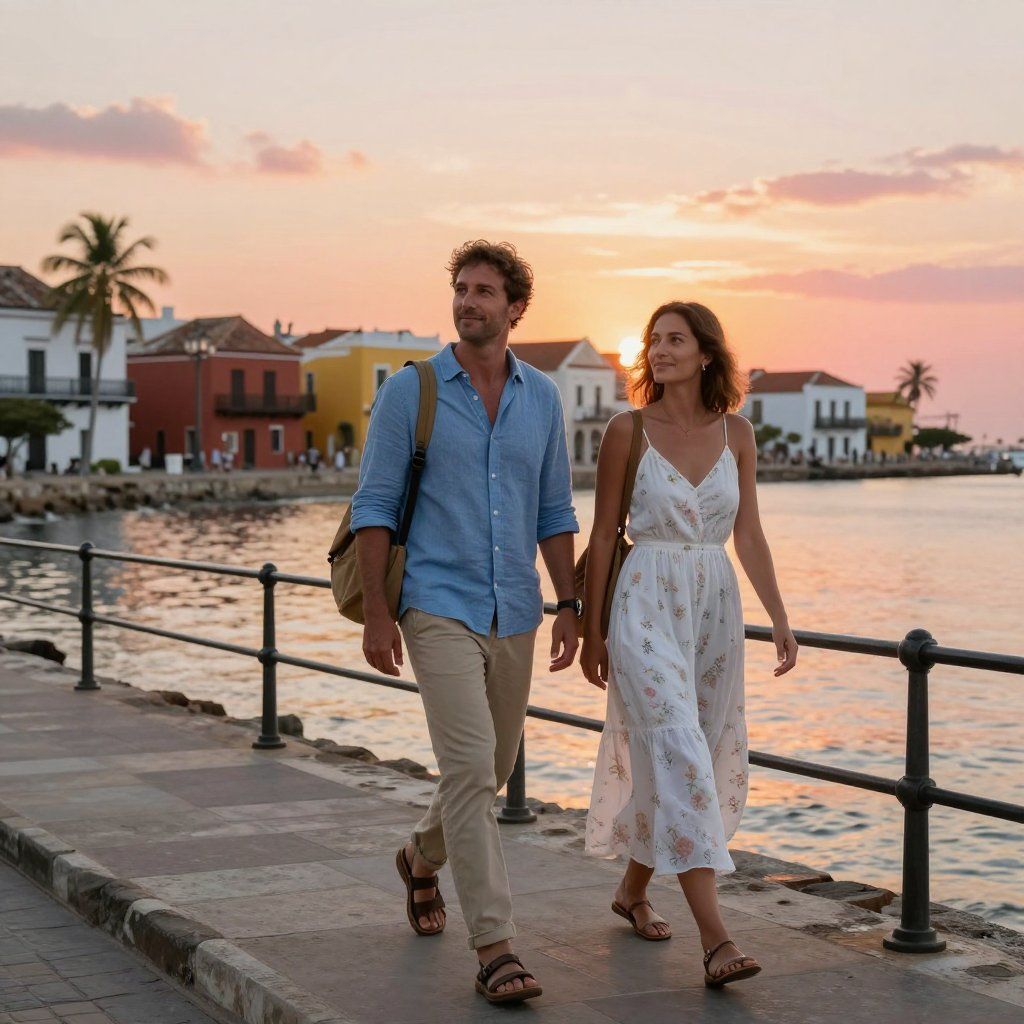
- The historic walled city, nearby beaches, and coastal promenades offer low-effort, relaxing activities for rest days.
Compared to some dental tourism spots that are more spread out or less walkable, Cartagena offers a compact, tourist-oriented environment where many patients can comfortably move between clinic, hotel, and restaurants without needing a car.
Cartagena vs. Other Cities: Key Factors U.S. Patients Compare
When patients stack Cartagena against other international options—like border towns in Mexico, inland Central American cities, or Eastern European hubs—they tend to focus on:
- Perceived safety and comfort as a tourist: Cartagena’s main tourist areas are heavily frequented by international visitors, with a visible tourism presence and established hospitality services.
- Clinic density and specialization in dental tourism: A strong cluster of clinics competing for international patients often leads to investment in technology, service, and bilingual support.
- Overall trip experience: Many patients prefer a coastal, resort-style setting for recovery days versus destinations that feel purely utilitarian.
Who Does Cartagena Work Best For?
Cartagena is particularly attractive for U.S. and Canadian patients who want to pair dental treatment with a scenic, comfortable recovery environment by the sea; prefer a destination with a strong tourism footprint; and are planning moderate to extensive work (implants, veneers, full-arch solutions) where savings justify international travel.
Patients who want the absolute shortest flight—or who live very close to the Mexican border—may still choose a closer city. But for those willing to travel a bit farther, Cartagena’s blend of setting, clinics, and tourism infrastructure can be worth it.

How a Cartagena Specialist Like Dr. Julio Oliver Fits Into the Picture
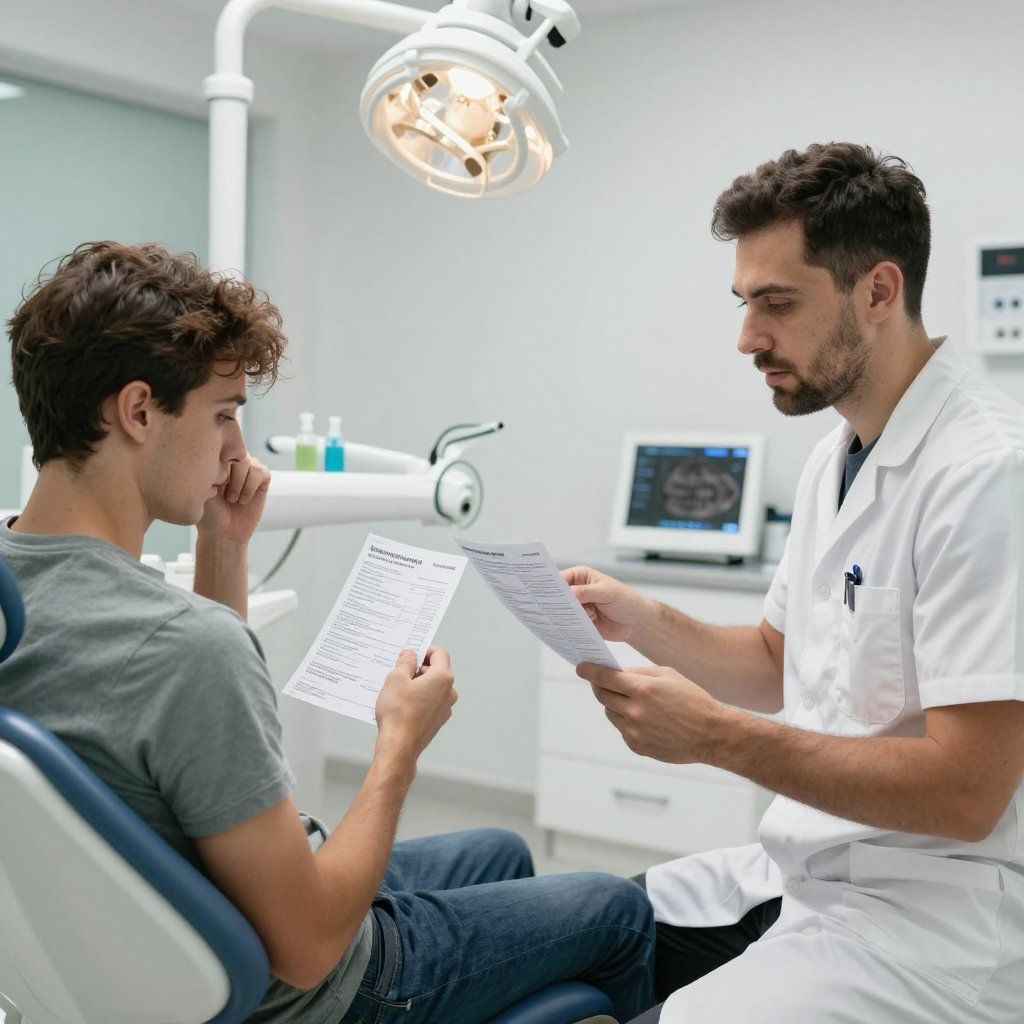
Dentists in Cartagena who focus on dental tourism—like Dr. Julio Oliver—shape their entire practice around international patients from the U.S. and Canada. That often includes structured virtual pre-evaluations, clear English-language communication about timelines and costs, modern technology and materials, and guidance on how long to stay and what to expect day-by-day.
This combination of clinical quality and destination experience is a key reason many patients who might once have chosen other Latin American cities are increasingly looking at the Colombian coast—and Cartagena in particular—as their preferred dental tourism base.