What Recovery Is Like After Veneers in Cartagena: Comfort, Timeline, and Aftercare Tips
Recovery after porcelain veneers is usually quick and very manageable, especially when treatment is planned around rest time in a destination like Cartagena. Most patients return to normal daily activities within 24–48 hours, with any sensitivity or mild soreness improving steadily over the first one to two weeks. When you work with a dental tourism–focused clinic such as Dr. Julio Oliver’s, your schedule in Cartagena is designed to give you time to relax, adjust to your new smile, and enjoy the city while you heal.
What Recovery Is Really Like After Veneers in Cartagena
Recovery after porcelain veneers is usually quick and very manageable, especially when treatment is planned around rest time in a destination like Cartagena. Most patients return to normal daily activities within 24–48 hours, with any sensitivity or mild soreness improving steadily over the first one to two weeks. When you work with a dental tourism–focused clinic such as Dr. Julio Oliver’s, your schedule in Cartagena is designed to give you time to relax, adjust to your new smile, and enjoy the city while you heal.
Veneer Recovery Timeline: Day by Day
First 24–48 Hours: Getting Used to Your New Smile
Right after your veneers are bonded, it’s common to notice mild soreness in the gums or teeth, temporary sensitivity to hot and cold foods or drinks, and your bite and speech feeling slightly “different” as your tongue adjusts to the new tooth surfaces.
Most people can walk out of the clinic and go about light activities the same day, but it’s smart to plan a quiet afternoon or evening to rest at your hotel in Cartagena.
- Stick to soft foods (soups, yogurt, eggs, smoothies, rice, soft fish).
- Chew slowly and favor the back teeth.
- Avoid very hot or very cold drinks if they trigger zingers.
- Take any recommended pain relievers exactly as directed by your dentist.
Days 3–7: Sensitivity Fades, Confidence Grows
Over the first week, most patients notice a clear reduction in tenderness and temperature sensitivity. You’ll likely feel more confident chewing and speaking as your mouth adapts to the new contours.
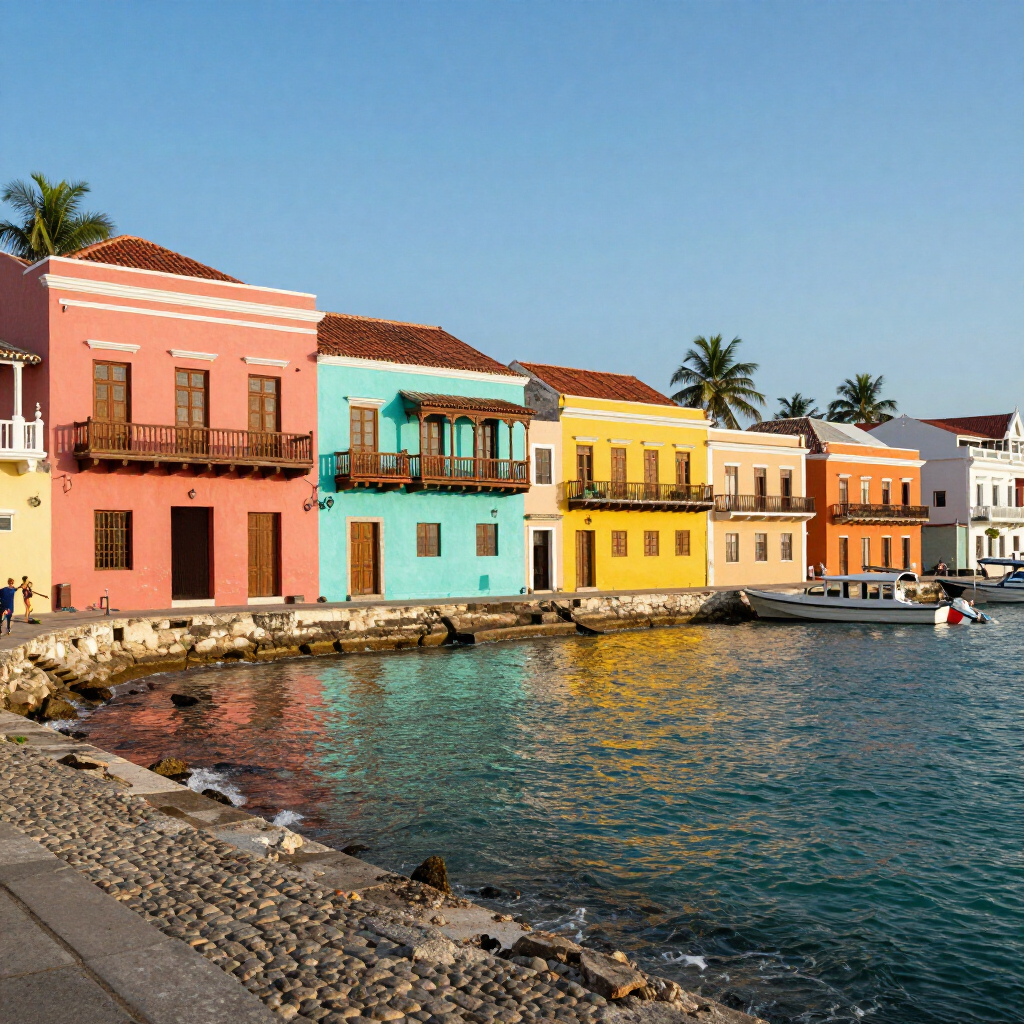
This is a great window to enjoy gentle sightseeing in Cartagena’s walled city, plazas, or coastal areas while avoiding heavy, crunchy foods.
- Sensitivity decreasing day by day.
- Bite feeling more natural as your tongue and jaw adapt.
- Minor spots of irritation (if any) resolving with good hygiene and salt-water rinses.
Days 8–14: Fully Adjusted for Most Patients
By the end of the second week, most patients feel that their veneers “belong” in their mouth and function like natural teeth. Any remaining temperature sensitivity is usually minimal and continues to fade.
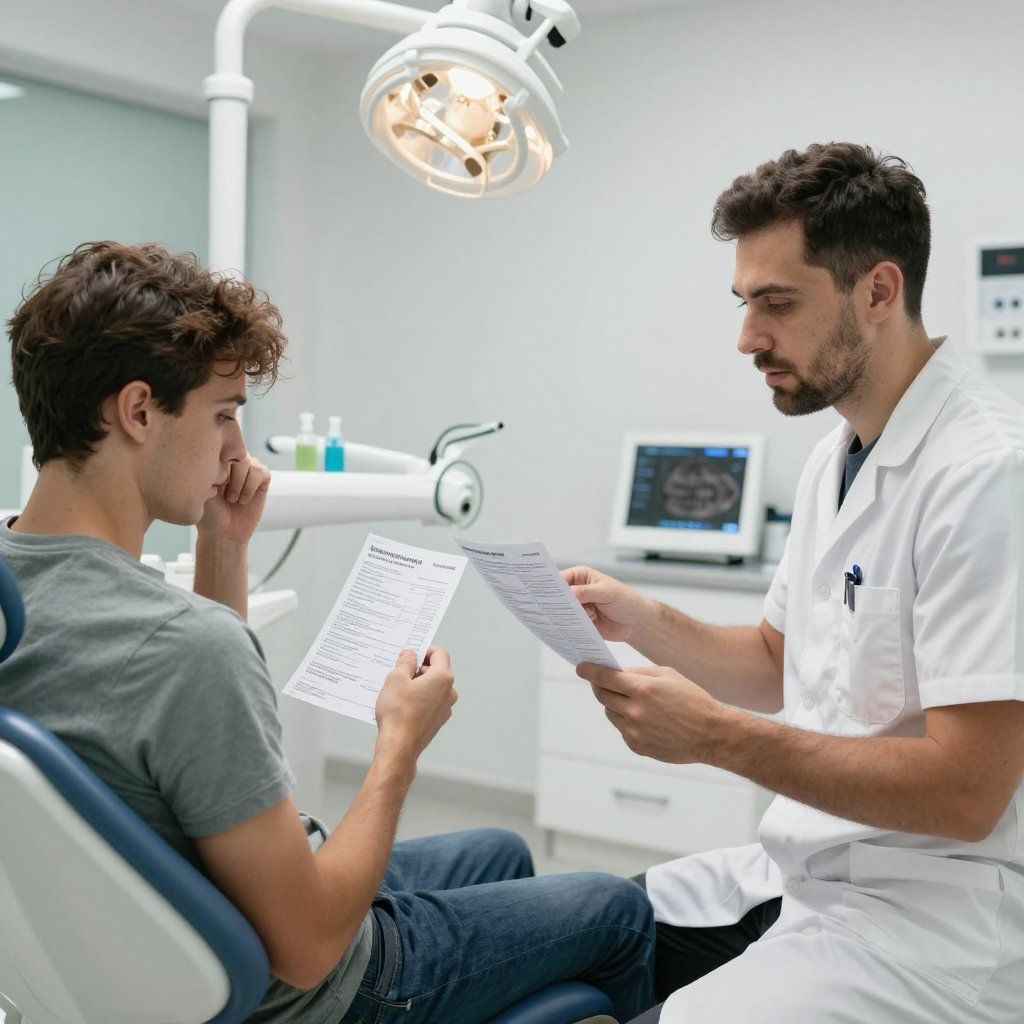
If anything still feels off—such as a high spot on your bite or persistent irritation—this is when a dentist like Dr. Julio can make fine adjustments before you fly home.
Eating After Veneers: What’s Safe and What to Avoid
Ideal Foods in the First Few Days
Right after treatment, prioritize foods that are soft (mashed potatoes, scrambled eggs, oatmeal, steamed vegetables, soft pasta), mild in temperature, and low in staining (water, herbal tea, clear broths, light sauces).

Foods and Drinks to Limit—Especially Early
- Avoid hard foods (ice, hard candies, nuts, very crusty bread) that could chip porcelain.
- Be cautious with sticky foods (caramels, chewing gum) that may put stress on margins.
- Limit strong staining drinks—coffee, red wine, cola, dark teas—especially in the first 48 hours.
- Avoid biting directly into very hard items with your front teeth (like whole apples); cut them into pieces instead.
Cartagena’s cuisine offers plenty of veneer-friendly options, from soft grilled fish with rice and plantains to smoothies and fresh fruit bowls that are easy to enjoy while you recover.
Oral Care and Aftercare Tips in Cartagena
Good veneer recovery is less about “healing” and more about protecting your investment and keeping gums healthy.
- Brush twice a day with a soft-bristle toothbrush and non‑abrasive toothpaste.
- Floss gently once a day, paying attention to the gumline around your veneers.
- Rinse with lukewarm salt water if gums feel sore in the first few days.
- Avoid alcohol-heavy mouthwashes that can affect bonding over time.
If you grind or clench your teeth, your dentist may recommend a night guard; this can be especially important for long-term veneer protection once you return home.

Normal vs. Not Normal: When to Call the Dentist
Some symptoms are a normal part of the adjustment period; others are signals to reach out for help.
Normal early sensations: mild to moderate sensitivity to temperature that improves over 1–2 weeks, temporary soreness in gums or jaw, and bite or speech feeling slightly different for a few days.
Contact your dentist promptly if you notice: sharp pain that doesn’t improve with over‑the‑counter pain relief, swelling or hot/throbbing pain around a specific tooth, a veneer that feels loose or chips, or sensitivity that stays strong beyond a few weeks without improvement.
Clinics that focus on dental tourism, like Dr. Julio’s in Cartagena, typically schedule at least one follow‑up visit before you leave and remain available via WhatsApp, email, or virtual calls if you have questions once you’re back home.
What Makes Recovery in Cartagena Different?
Recovering from veneers in Cartagena offers a few unique advantages: you’re not rushing back to work the same day; you can rest and adjust at your own pace. Many hotels and short‑term rentals near the clinic provide quiet, air‑conditioned environments ideal for post‑appointment downtime.
You can plan light, low‑stress activities—sunset walks by the sea, gentle sightseeing—between checkups instead of dealing with commuting and daily stress. Working with a dentist like Dr. Julio Oliver, who is experienced with U.S. and Canadian patients, means your schedule, language needs, and follow‑up care are all considered from the beginning of your treatment plan.

Recommended Images Inside the Post
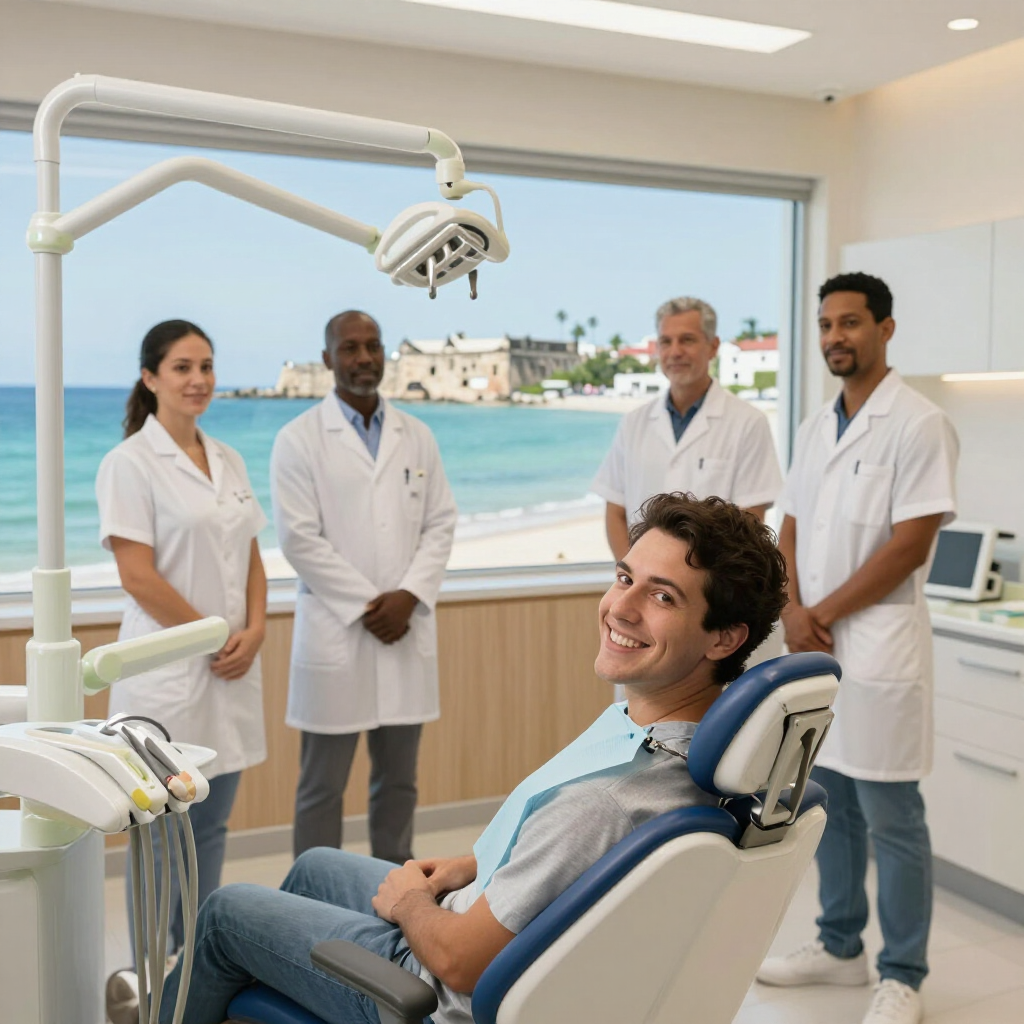
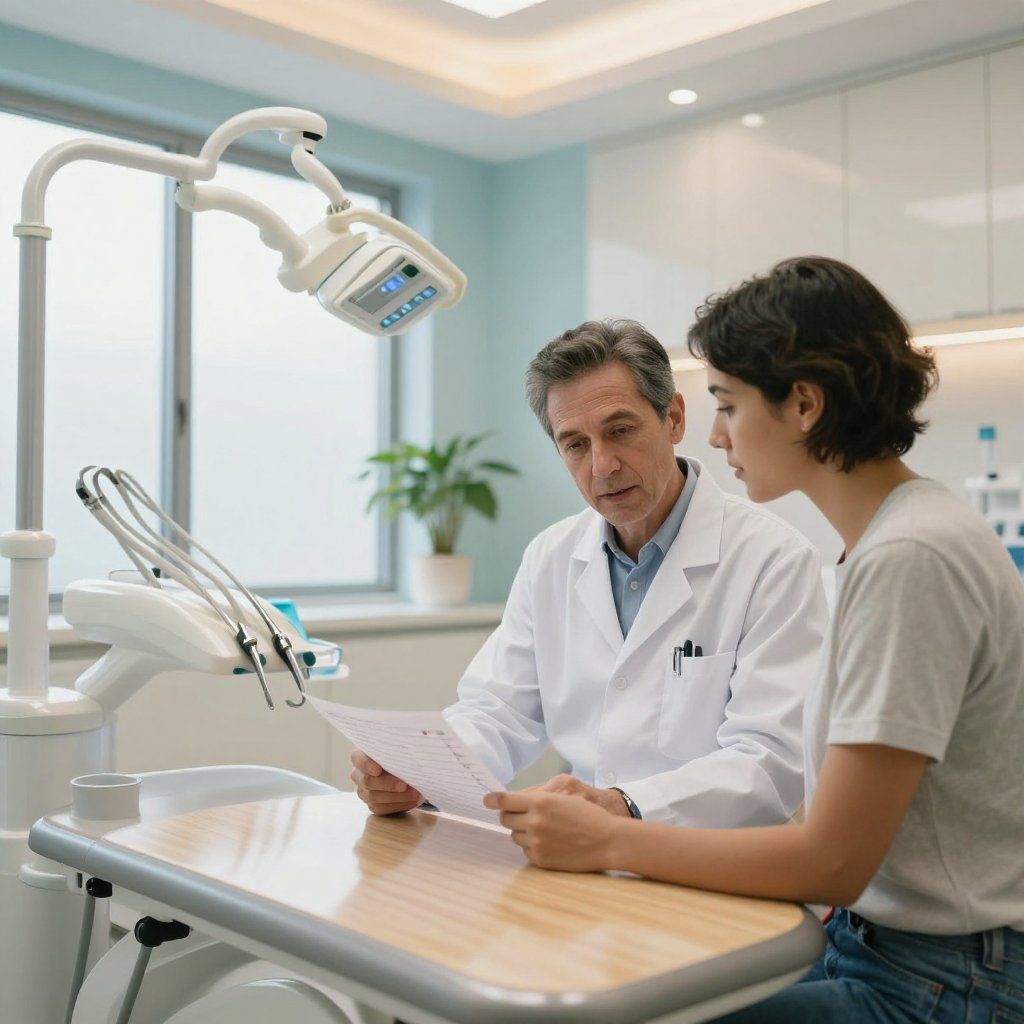
- “Patient relaxing in modern dental clinic in Cartagena after veneer treatment.”
- “Soft food diet for recovery after porcelain veneers.”
- “Woman brushing teeth gently after porcelain veneer placement.”
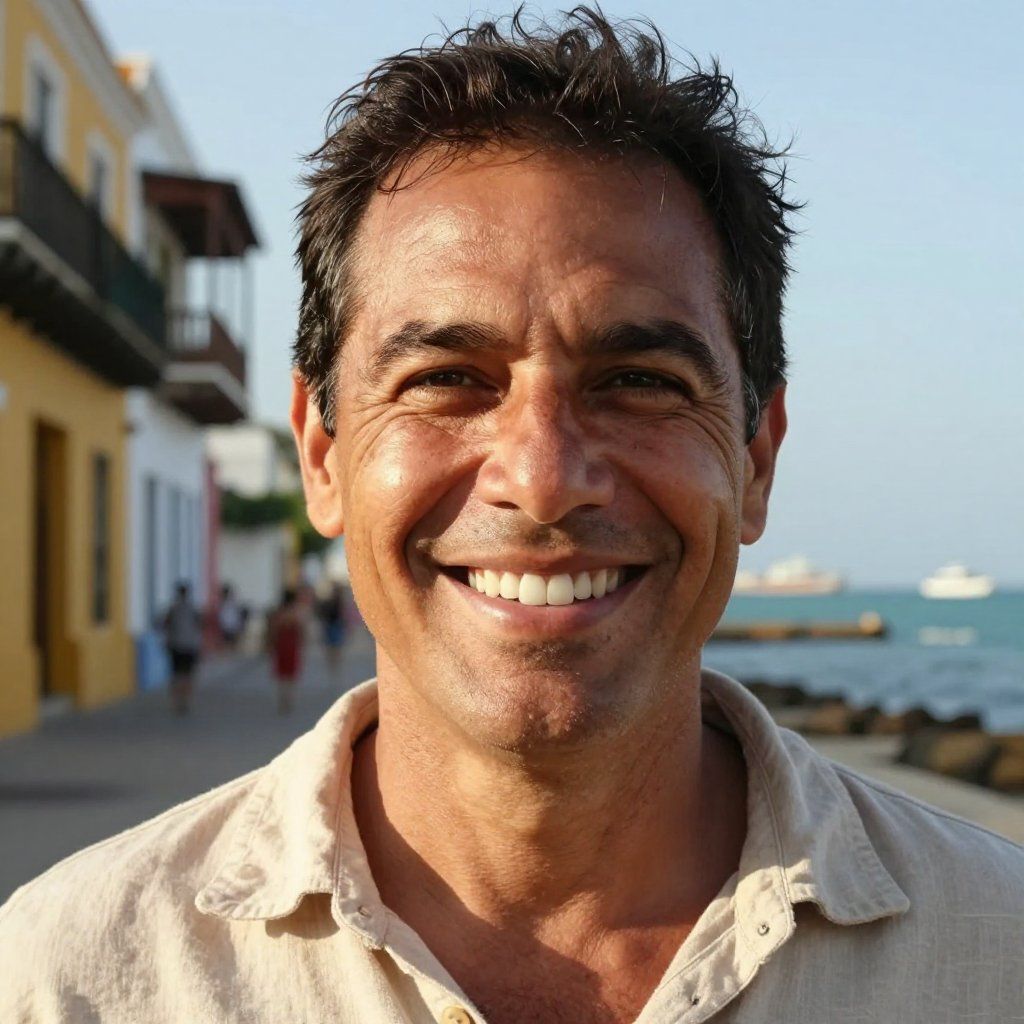
- “Tourist walking in Cartagena during dental veneer recovery trip.”
Conclusion
For most patients, veneer recovery in Cartagena is comfortable, predictable, and fast. Plan for a soft-food phase in the first couple of days, expect sensitivity that steadily fades, and keep your aftercare routine consistent so your gums stay healthy and your veneers stay protected.
If you’re considering veneers in Cartagena, schedule your visit with enough breathing room for rest and a follow‑up check. Want a recovery plan built around your travel dates? Ask Dr. Julio Oliver’s team to map out your timeline before you arrive.