Is Traveling to Colombia for Dental Implants Safe? What North American Patients Should Know
Safety is the most common concern for U.S. and Canadian patients considering dental implants in Colombia. It's a reasonable question—you’re thinking about having surgery in another country, and you want to know that the quality of care, materials, and hygiene standards will match or exceed what you'd receive at home.
The short answer: Yes, dental implants in Colombia can be very safe when you choose the right clinic and dentist. But safety isn't automatic—it depends on doing your research, asking the right questions, and working with experienced professionals who specialize in international patients.
This guide addresses the most important safety questions North American patients have about getting dental implants in Colombia.
Understanding Colombia’s Dental Tourism Infrastructure
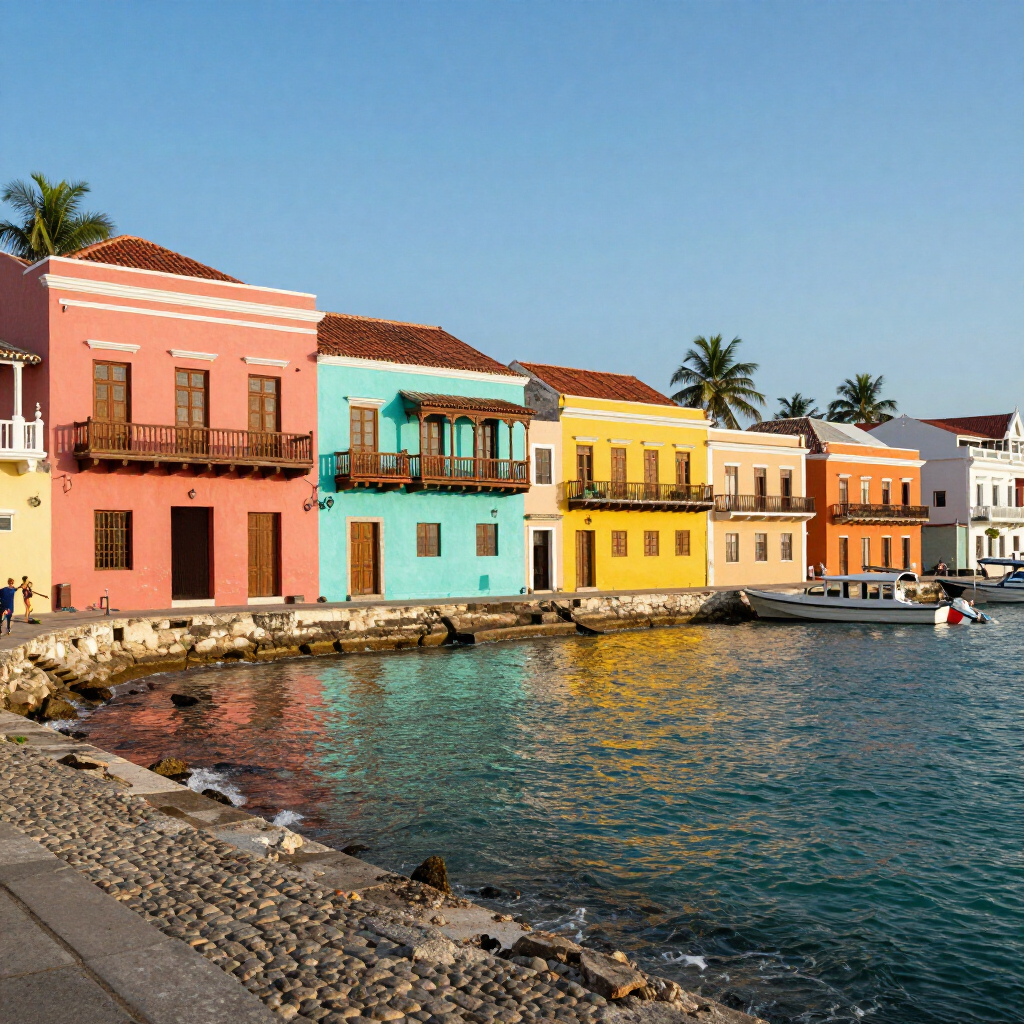
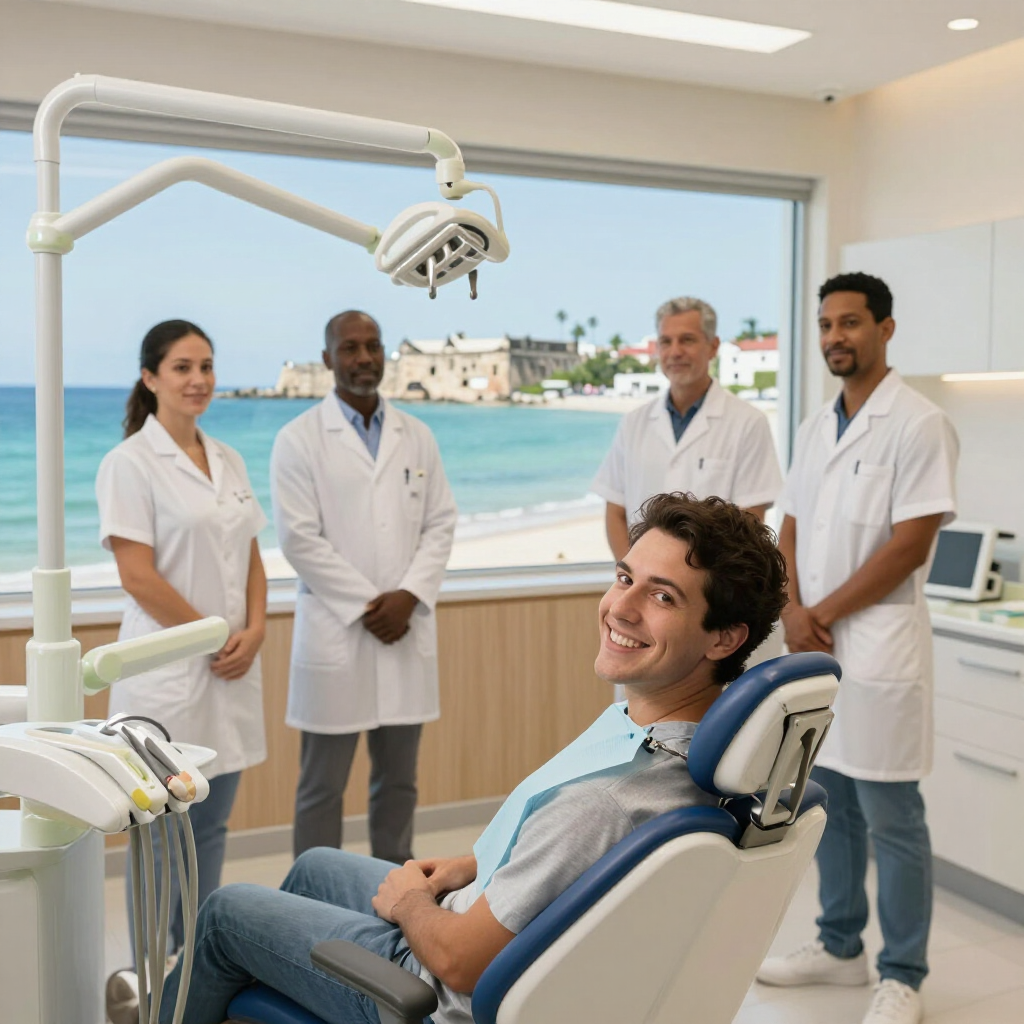
Colombia has become one of Latin America’s leading destinations for dental tourism, particularly in cities like Cartagena, Bogotá, and Medellín. This growth didn’t happen by accident—it’s the result of significant investment in modern healthcare infrastructure, international training for dentists, and competition that rewards clinics with strong safety records and patient satisfaction.
Why Colombia Has Strong Dental Standards
Several factors contribute to Colombia’s reputation for safe, high-quality dental care:
- Education standards: Many Colombian dentists receive training that mirrors U.S. and European curricula, with some completing advanced certifications at institutions in the U.S. or Europe.
- International materials: Top clinics use implant brands trusted worldwide (for example: Straumann, Nobel Biocare, BioHorizons, and Neodent), not inferior substitutes.
- Modern technology: Leading clinics invest in digital imaging, guided implant surgery, and advanced diagnostics comparable to North American practices.
- Regulatory oversight: Colombia enforces healthcare safety regulations, though standards can vary between clinics—making careful selection essential.
Key insight: The best clinics operate at international standards because they serve patients who have high expectations and alternatives.
What Makes a Dental Clinic in Colombia Safe?
Not all clinics are equal—just as not all dentists in the U.S. or Canada provide the same level of care. When evaluating safety, focus on these critical factors.
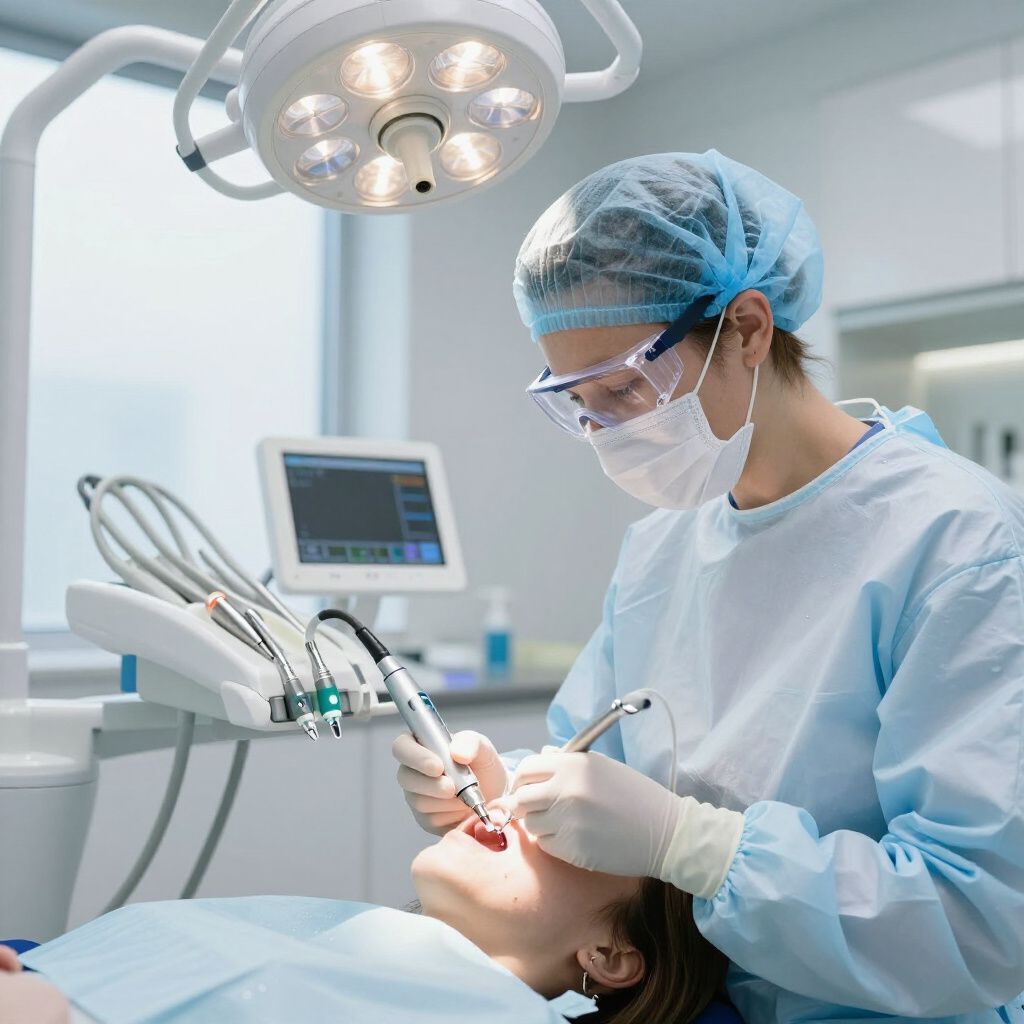
1) Sterilization and Infection Control
What to look for:
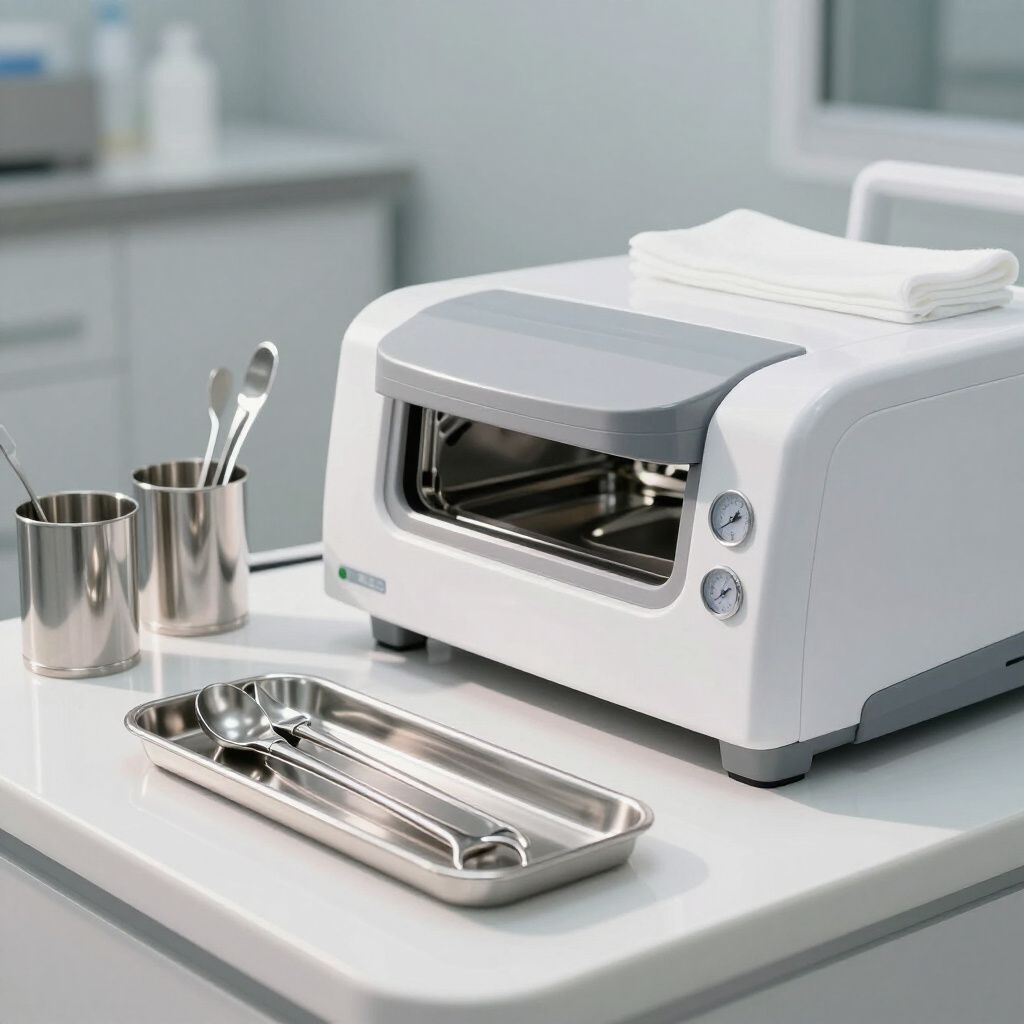
- Autoclaves (sterilization machines) that are regularly tested
- Single-use disposable items (needles, gloves, barriers) that are never reused
- Clear protocols for instrument sterilization between patients
- Modern clinical hygiene and cross-contamination prevention practices
Questions to ask:
- “What sterilization protocols do you follow?”
- “Can I see your sterilization area during my consultation?”
- “How do you prevent cross-contamination between patients?”
Reputable clinics welcome these questions and provide clear answers. If a clinic is evasive or dismissive about hygiene, that’s a red flag.
2) Implant Brands and Materials Quality
What to look for:
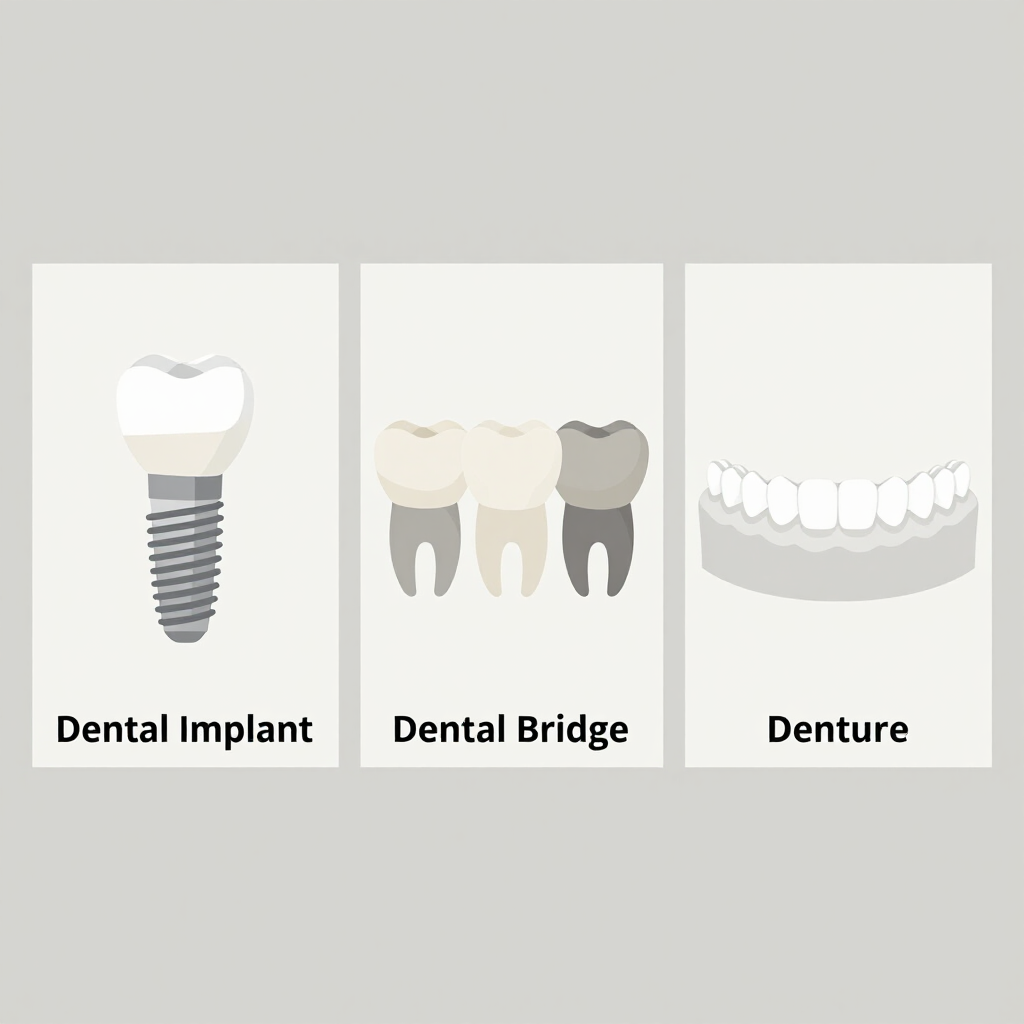
- Internationally recognized implant systems
- High-grade titanium or zirconia implants with documented biocompatibility
- Quality crowns (often porcelain or zirconia) produced by reputable labs
- Written documentation of the materials used in your treatment plan
Why it matters: well-known implant systems have long research histories and predictable outcomes—and they’re easier for your dentist back home to identify if you ever need future care.
Questions to ask:
- “What implant brand do you use and why?”
- “Will I receive documentation with the implant model and serial number?”
- “Are these materials FDA-approved or CE-marked for international use?”
3) Dentist Qualifications and Experience
What to look for:
- Advanced training focused on implant dentistry
- Professional memberships and continuing education
- Substantial implant experience (ask about volume—hundreds, not dozens)
- Experience treating international patients and managing travel timelines
Questions to ask:
- “How many dental implants have you personally placed?”
- “What is your success rate, and how do you define success?”
- “What continuing education have you completed in implant dentistry?”
4) Clinic Certifications and Accreditations
What to look for:
- Quality systems such as ISO-aligned processes (where applicable)
- Local licensing and compliance documentation
- Transparent online presence and consistent patient feedback
The Most Important Safety Factor: Proper Planning and Realistic Timelines
One of the biggest risks in dental tourism isn’t the country—it’s trying to rush treatment to fit a short vacation schedule.
Why rushing can be dangerous
Dental implants need time to heal (osseointegration—when bone fuses to the implant). A medically sound approach often looks like this:
- Single-stage (selected cases): implant placement → healing (often 3–6 months) → final crown
- Two-stage (common for travelers): Trip 1 (implants ± grafting) → heal at home → Trip 2 (final restorations)
Red flags include promises of “teeth in a day” without explaining candidacy, skipping healing periods, or pressuring you to compress complex full-arch treatment into an unrealistic timeframe.
A safe provider will be honest about what can be done in one trip and what should be staged for long-term success.
Medical Tourism Safety: Beyond the Dental Chair
Implant safety also includes how you plan travel, recovery, follow-up, and communication.
Travel and recovery planning
- Plan 2–3 days of downtime after surgery before major excursions or flying
- Know what medications you’ll need and how you’ll obtain them
- Ask for an emergency plan and after-hours contact information
- Confirm your follow-up schedule before you return home
Insurance, warranties, and follow-up
- Most North American insurance plans don’t cover elective dental procedures abroad
- Consider travel medical coverage for unexpected emergencies related to travel
- Ask what the clinic’s warranty covers and what documentation you’ll receive
- Have a follow-up plan at home for routine maintenance
Communication and language
- Choose a clinic with English-speaking staff
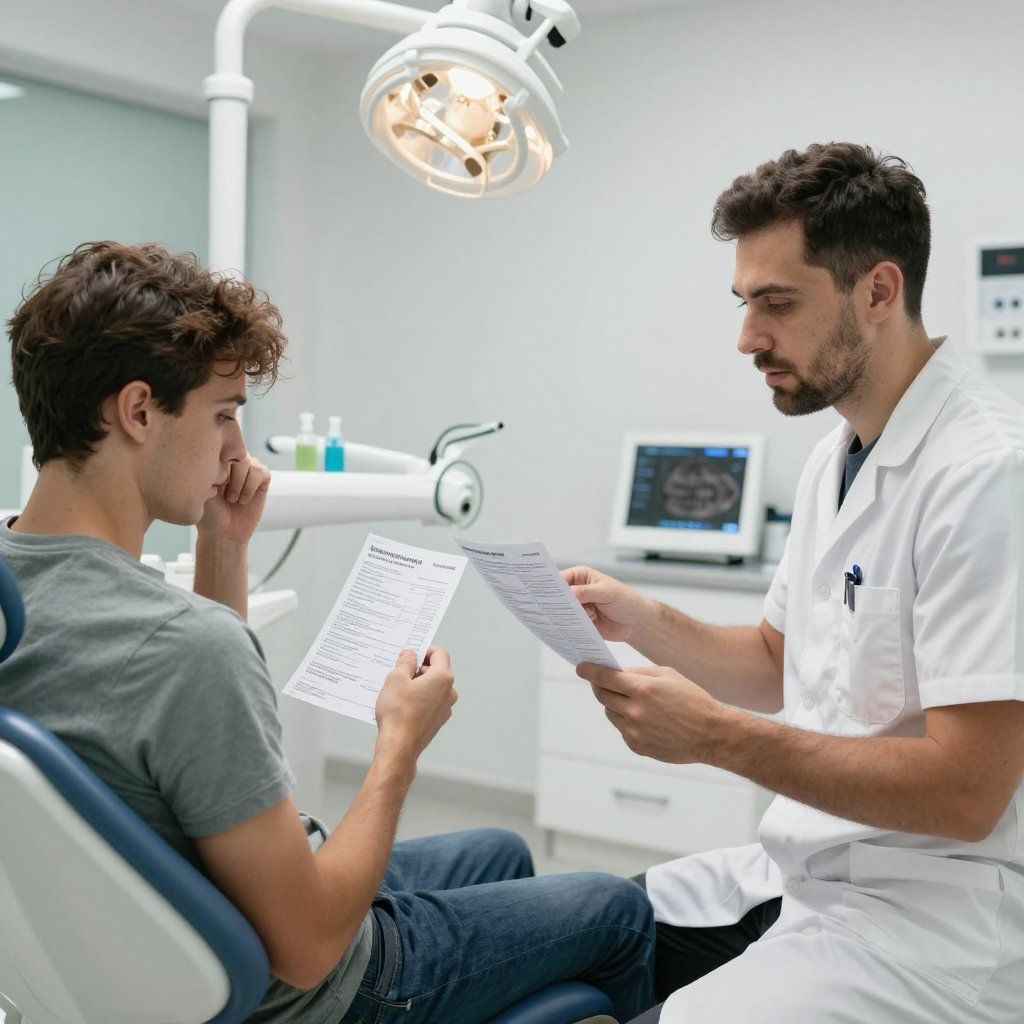
- Request consent forms, treatment plans, and post-op instructions in English
- Make sure you can clearly communicate symptoms or concerns

Red Flags: When to Walk Away
Trust your instincts. Walk away if you encounter:
- Pressure to commit before you have complete information
- Refusal to provide a written treatment plan and cost breakdown
- Vague answers about implant brands, materials, or sterilization protocols
- No structured pre-evaluation process before you travel
- Inconsistent communication or difficulty reaching the clinic
Green flags include a thorough virtual evaluation, transparent documentation, realistic timelines, and clear answers to safety questions.
Success Rates and Long-Term Safety
When planned and placed properly, dental implants commonly have success rates in the mid-to-high 90% range. Success depends far more on surgical skill, planning, materials, and healing time than on the country where the procedure is performed.
How to Verify Safety Before You Travel
- Request a virtual pre-evaluation (photos, X-rays, medical history)
- Research the dentist’s training, experience, and professional memberships
- Read independent reviews across multiple platforms
- Ask specific questions about sterilization, materials, and timelines
- Request written treatment plans and material specifications
- Verify licensing and any applicable certifications
Working with Dr. Julio Oliver in Cartagena
Dr. Julio Oliver’s approach to safety centers on:
- Thorough pre-treatment evaluation with a structured virtual consultation
- Medically sound protocols based on long-term outcomes, not rushed timelines
- Clear communication in English about materials, risks, and expectations before travel
Final Verdict: Is It Safe?
Traveling to Colombia for dental implants can be very safe when you choose an experienced implant provider, verify sterilization and materials, allow adequate healing time, and plan for recovery and follow-up. Safety isn’t about the country—it’s about the clinic, the dentist, and the process used to protect you.
Ready to learn if dental implants in Cartagena are right for you? Schedule a free virtual pre-evaluation with Dr. Julio Oliver to review your case, safety protocols, and realistic treatment options before making travel decisions.
New Paragraph