Dental Tourism vs. Local Treatment: Cost and Quality Comparison for U.S. Patients
Rising dental costs in the United States have pushed many patients to look abroad for major treatments like implants, veneers, and full‑mouth restorations. Countries such as Colombia, Mexico, Costa Rica, and others now attract U.S. patients with modern clinics, English‑speaking teams, and prices that can be 40–70% lower than at home, even after travel costs. The key question is not just “How much does it cost?” but “How does cost compare to quality, safety, and convenience?”
Cost Comparison: U.S. vs. Dental Tourism Destinations
Exact prices vary by city and clinic, but broad 2025–2026 ranges look like this:
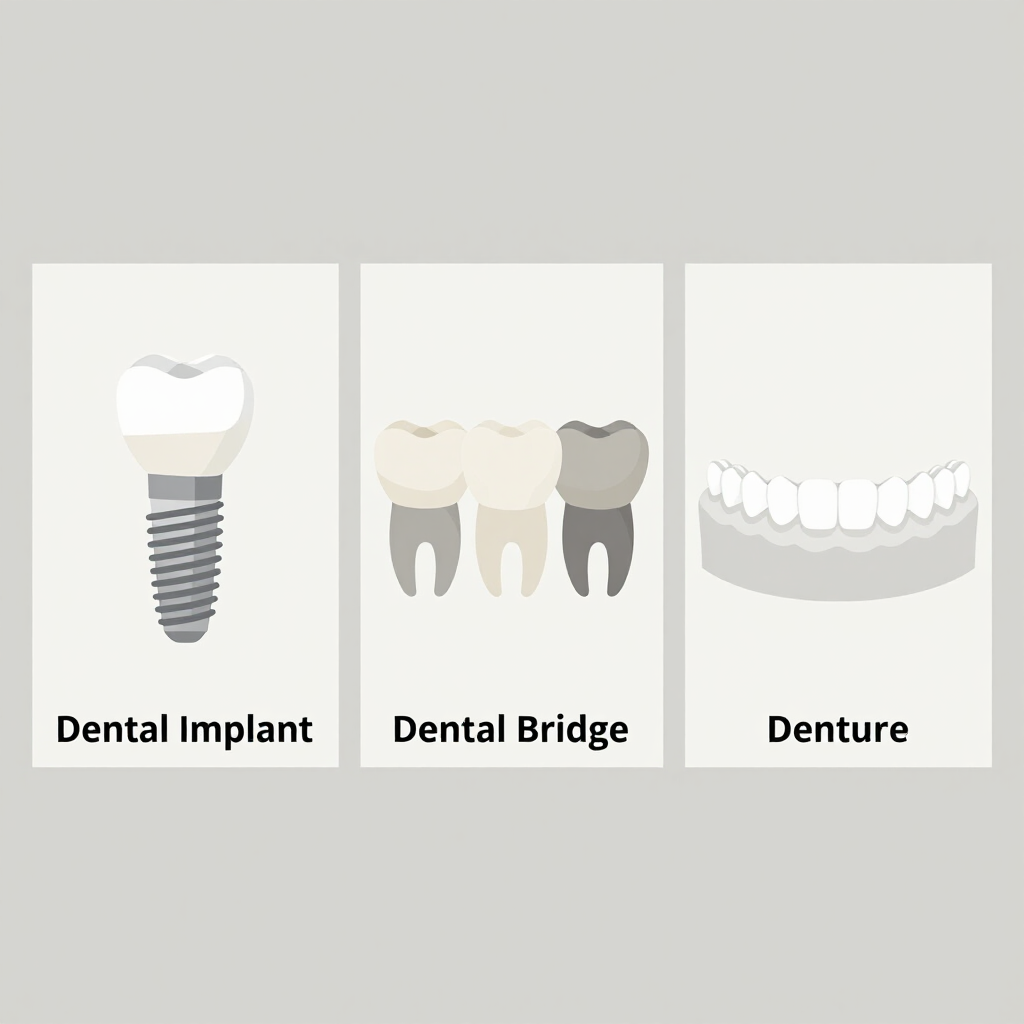
- Single dental implant (with crown): U.S.: often 3,000–5,000 USD per tooth (sometimes more). Colombia: often 900–1,800 USD per tooth with crown.
- Full‑arch implant solution (All‑on‑4–style): U.S.: 20,000–35,000 USD per arch. Colombia: 7,000–15,000 USD per arch.
- Porcelain veneers (per tooth): U.S.: 1,000–2,500 USD per tooth. Colombia: roughly 300–500 USD per tooth (sometimes less in package plans).
Even when you factor in flights and accommodation, many U.S. patients still save thousands—especially when they need multiple implants, full‑arch work, or extensive cosmetic treatment.

Quality and Safety: Is Cheaper Always Riskier?
Lower cost doesn’t automatically mean lower quality—but it does mean you must choose carefully.
Quality at Home (U.S.)
- High regulation and clear licensing systems at the state level.
- Easier access to in‑person follow‑ups and emergency care.
- Many specialists with advanced training and access to the latest technology.
However, high overhead, insurance structures, and regional cost of living drive prices up—often making comprehensive treatment unaffordable for many patients.
Quality Abroad (Dental Tourism Clinics)
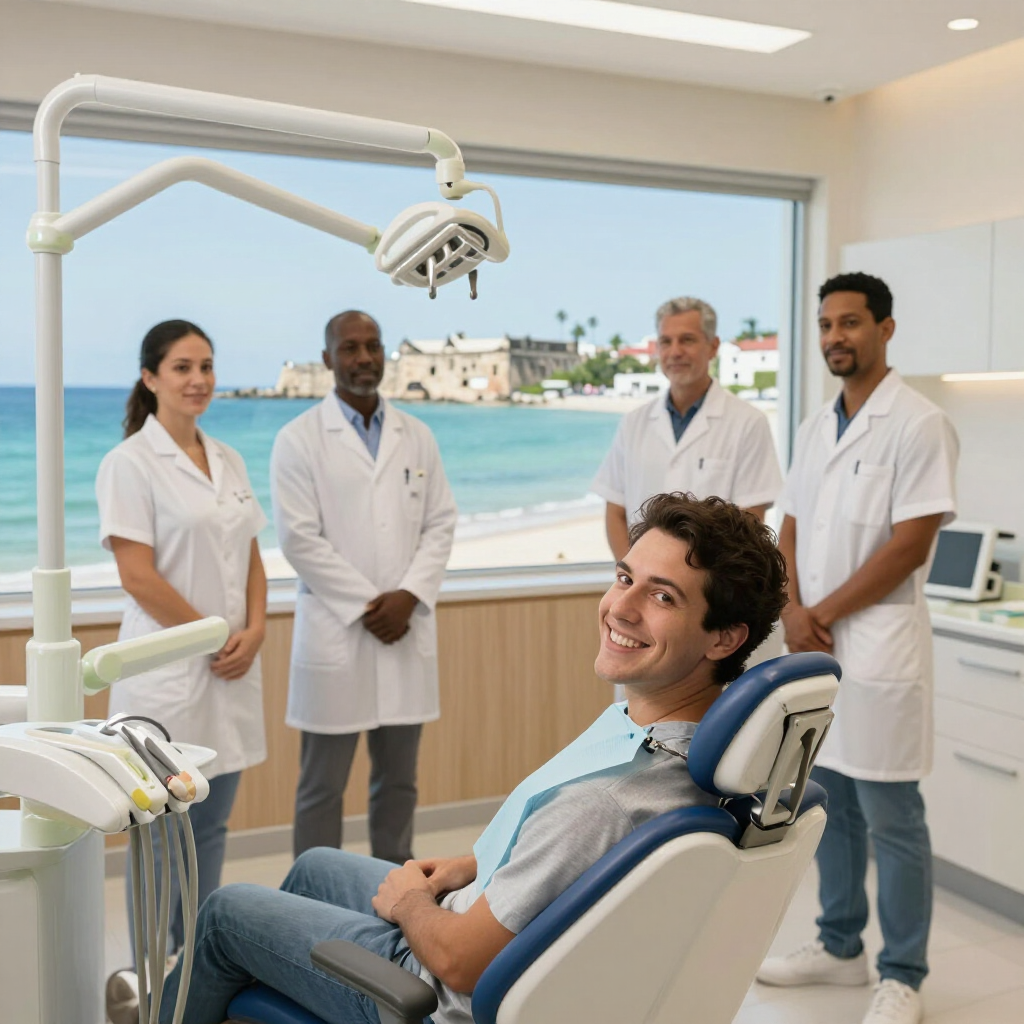
Top dental tourism clinics in countries like Colombia compete hard for international patients and often offer modern facilities with digital imaging, 3D scanners, and guided surgery, plus international implant brands and high‑end ceramics. Many clinics also have English‑speaking staff focused on U.S./Canadian visitors.
Quality can vary more widely from clinic to clinic than many U.S. patients are used to, which is why research, reviews, and credentials matter so much.
Pros and Cons: Dental Tourism vs. Local Treatment
Advantages of Dental Tourism for U.S. Patients
- Significant cost savings: 40–70% less on major treatments is common.
- Access to comprehensive treatment plans that may be unaffordable locally.
- High service focus with concierge‑style support for scheduling and logistics.
- Opportunity to combine treatment with recovery in a pleasant environment.
Drawbacks of Dental Tourism
- Travel time and logistics: flights, hotels, passports, and time off work.
- Follow‑up challenges once you return home.
- Need for careful research because quality varies.
- Possible need for multiple trips for medically sound implant timelines.
Advantages of Local U.S. Treatment
- Convenience: no international travel.
- Immediate follow‑up if something feels off.
- Insurance compatibility for some procedures (often limited for cosmetic work).
Drawbacks of Local Treatment in the U.S.
- High cost leading many patients to delay or skip needed care.
- Limited options within budget, sometimes resulting in “patchwork” solutions.
Time and Scheduling: One Long Trip vs. Many Short Visits
With local U.S. treatment, you may have multiple short visits over weeks or months for consults, impressions, surgeries, and follow‑ups. With dental tourism, the goal is often to consolidate major treatment into one or two focused trips and build your itinerary around procedure days and rest days.
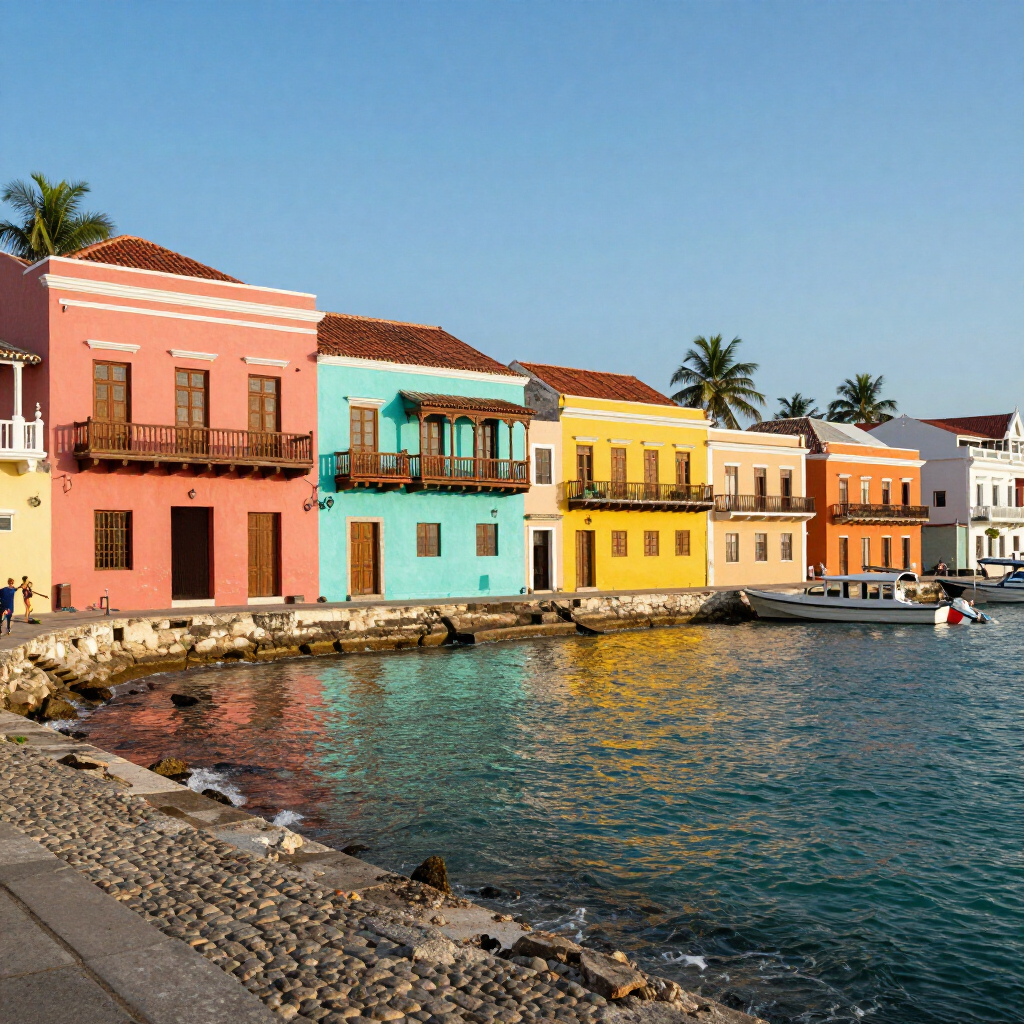
For example, a U.S. patient traveling to Cartagena for implants or veneers may stay 7–10 days for a phase of care, then return in several months for final restorations if implants are involved.
Who Is a Good Candidate for Dental Tourism?
Dental tourism tends to work best for U.S. patients who need moderate to extensive work where the potential savings are substantial, are generally healthy and fit to travel, can be flexible with time off work, and are comfortable doing research and asking detailed questions.
Patients with simpler needs—like a single small filling or minor procedure—often benefit more from staying local, as travel costs may outweigh savings for small treatments.

How to Evaluate Quality When Considering Dental Tourism
If you’re comparing a U.S. clinic to a dental tourism option, use the same tough questions for both. Key points to verify abroad include dentist credentials and experience, materials and labs, technology and sterilization protocols, case examples and reviews, and treatment philosophy that respects appropriate healing timelines.
Financial Perspective: When Does Dental Tourism Make Sense?
Dental tourism often makes financial sense when you’re facing a large local treatment plan that would cost tens of thousands of dollars, you can save enough abroad to cover travel and still come out significantly ahead, and you’re prepared to plan and coordinate like a major investment.
Local treatment may be better if you only need minor work largely covered by insurance, or you can’t take extended time off or travel due to health or personal constraints.
How a Cartagena Dental Tourism Specialist (Like Dr. Julio Oliver) Fits In
Dentists in Cartagena who focus on dental tourism for U.S. patients—like Dr. Julio Oliver—often build their process around clear cost breakdowns before you book flights, structured scheduling that fits lab work and follow‑ups into a realistic travel window, English‑language communication, and long‑term planning for follow‑up care once you’re back in the United States.